
Top Stories
Top 5 Air Force Bases Housing Fighter Jets in 2026

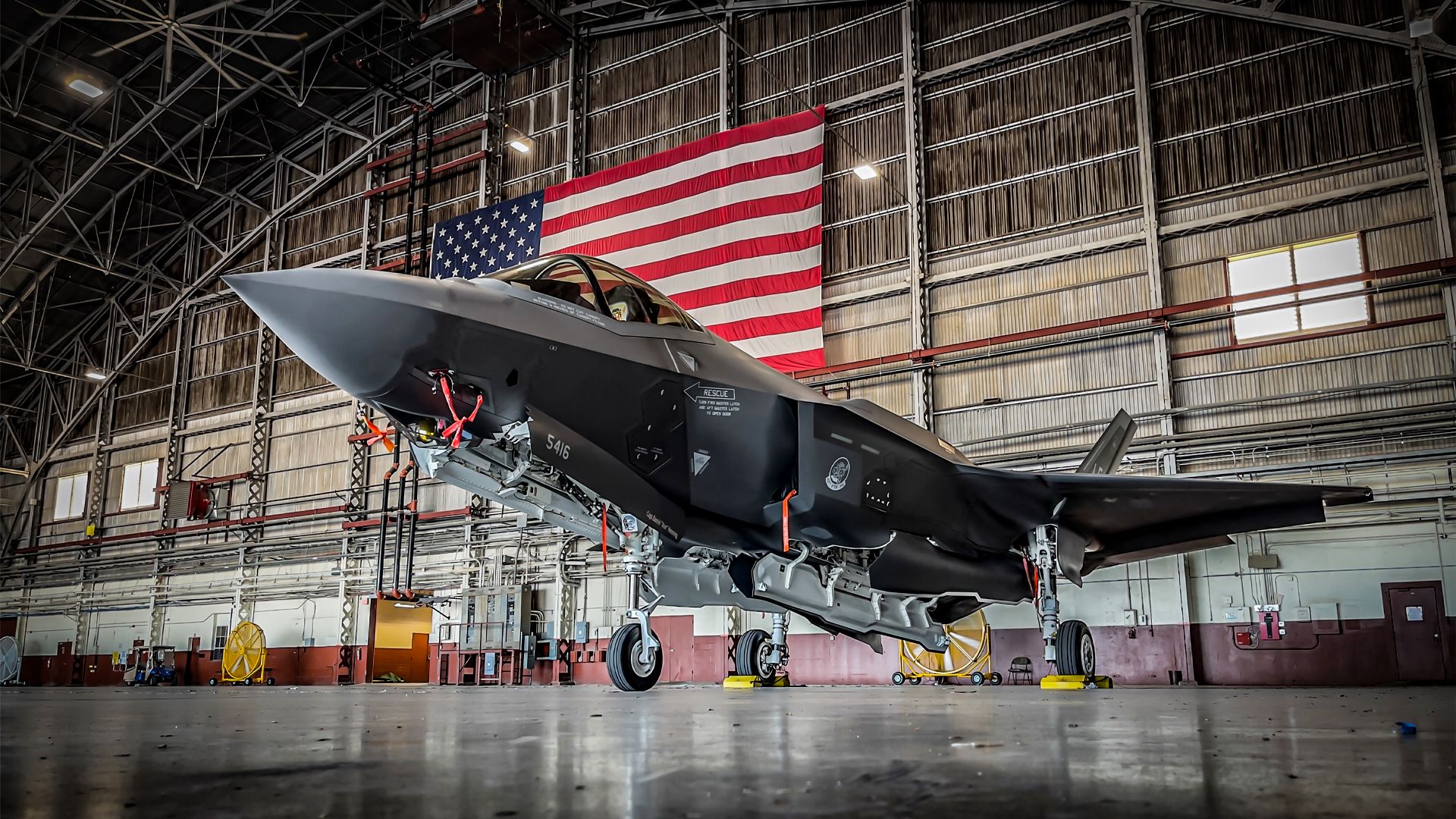
The United States is set to maintain its position as the leading air power globally in 2026, primarily due to its extensive fleet of fighter jets stationed at key military bases. The U.S. not only boasts the largest number of fighter jets but also operates the most advanced aircraft, supported by highly trained aircrews. This strategic advantage places the U.S. ahead of its nearest adversaries.
Key Air Force Bases to Watch
Several air force bases stand out for their significant concentrations of fighter jets. The following five bases are projected to be the largest in terms of fighter jet numbers by 2026:
1. **Langley Air Force Base** in Virginia is expected to lead with approximately 200 fighter jets. This base serves as a critical hub for the U.S. Air Force’s air superiority and strategic operations.
2. **Nellis Air Force Base**, located in Nevada, will likely house around 190 fighter jets. Nellis is renowned for its advanced training programs and exercises, making it essential for preparing aircrews for combat.
3. **Eglin Air Force Base** in Florida is projected to support around 180 fighter jets. Eglin plays a vital role in the development and testing of new aircraft and technologies.
4. **Hill Air Force Base** in Utah is anticipated to maintain about 170 fighter jets. This base is crucial for logistics and maintenance, ensuring operational readiness for the fleet.
5. **Misawa Air Base** in Japan, with an expected 160 fighter jets, underscores the U.S. commitment to maintaining a strong presence in the Asia-Pacific region.
Strategic Implications
The distribution of fighter jets across these bases highlights the United States’ military strategy focused on readiness and deterrence. The advanced capabilities of the U.S. fleet, including stealth technology and precision weaponry, provide a significant edge in potential conflicts.
According to the U.S. Air Force, these bases are not only essential for training and operations but also play a pivotal role in international alliances and partnerships. The presence of fighter jets at these locations supports ongoing commitments to regional security and stability.
The dominance of the U.S. in air power is further enhanced by its investment in next-generation warplanes, ensuring that the Air Force remains at the forefront of military aviation. As nations around the world continue to modernize their air forces, the United States is set to leverage its existing advantages to maintain global air superiority into 2026 and beyond.
In conclusion, the five largest air force bases in the U.S. reflect a strategic focus on maintaining an advanced and ready fleet of fighter jets. As geopolitical dynamics evolve, these bases will continue to be critical components of U.S. military operations and international security efforts.










Belfast Gears Up for Vibrant St Patrick’s Day Parade on March 17

Cuba Faces Nationwide Blackout Amid Deepening Energy Crisis

Wirral Council to Restructure Leadership, Cutting Two Top Roles

Rethinking Resistance Training: Key Insights from US Experts

EU Membership on the Horizon: What It Means for Citizens

Ukrainian Drone Swarms Strike Moscow Region for Second Day

Henley Launches Innovative Initiative to Boost Local Economy

Court Ruling Allows Pandemic Tax Refund Claims Until 2026

Sean Penn’s Absence at 2026 Oscars Sparks Discussion

Coronation Street’s Shocking Murder Twist Reveals Family Secrets

Andrew Pierce Confirms Departure from ITV’s Good Morning Britain

Katie Price Faces New Health Concerns After Cancer Symptoms Resurface

Sue Radford Reveals Weight Loss Journey, Shedding 12–13 kg

Kate Garraway Sells £2 Million Home Amid Financial Struggles

Jordan Brook Faces Health Crisis in Hospital as Sophie Kasaei Stays Away

EastEnders’ Nicola Mitchell Faces Unexpected Pregnancy Crisis

Bailey Announces Heartbreaking Split from Rebecca After Reunion

Ann Ming Reflects on ITV’s ‘I Fought the Law’ Drama
-
 World4 months ago
Coronation Street’s Shocking Murder Twist Reveals Family Secrets
-
 Entertainment4 months ago
Andrew Pierce Confirms Departure from ITV’s Good Morning Britain
-
 Health7 months ago
Katie Price Faces New Health Concerns After Cancer Symptoms Resurface
-
 Health2 months ago
Sue Radford Reveals Weight Loss Journey, Shedding 12–13 kg
-
 Entertainment8 months ago
Kate Garraway Sells £2 Million Home Amid Financial Struggles
-
 Entertainment3 weeks ago
Jordan Brook Faces Health Crisis in Hospital as Sophie Kasaei Stays Away
-
 World5 months ago
EastEnders’ Nicola Mitchell Faces Unexpected Pregnancy Crisis
-
 World5 months ago
Bailey Announces Heartbreaking Split from Rebecca After Reunion
-
 Entertainment7 months ago
Ann Ming Reflects on ITV’s ‘I Fought the Law’ Drama
-

 Entertainment2 months ago
Selena Gomez’s Name Linked to Epstein: Examining the Claims
-

 Health7 months ago
TOWIE Stars Sophie Kasaei and Jordan Brook Pursue Fertility Treatment
-

 Health7 months ago
Fiona Phillips’ Husband Shares Heartbreaking Update on Her Health