
Top Stories
Premium Economy Class Transforms Airline Revenue Strategies

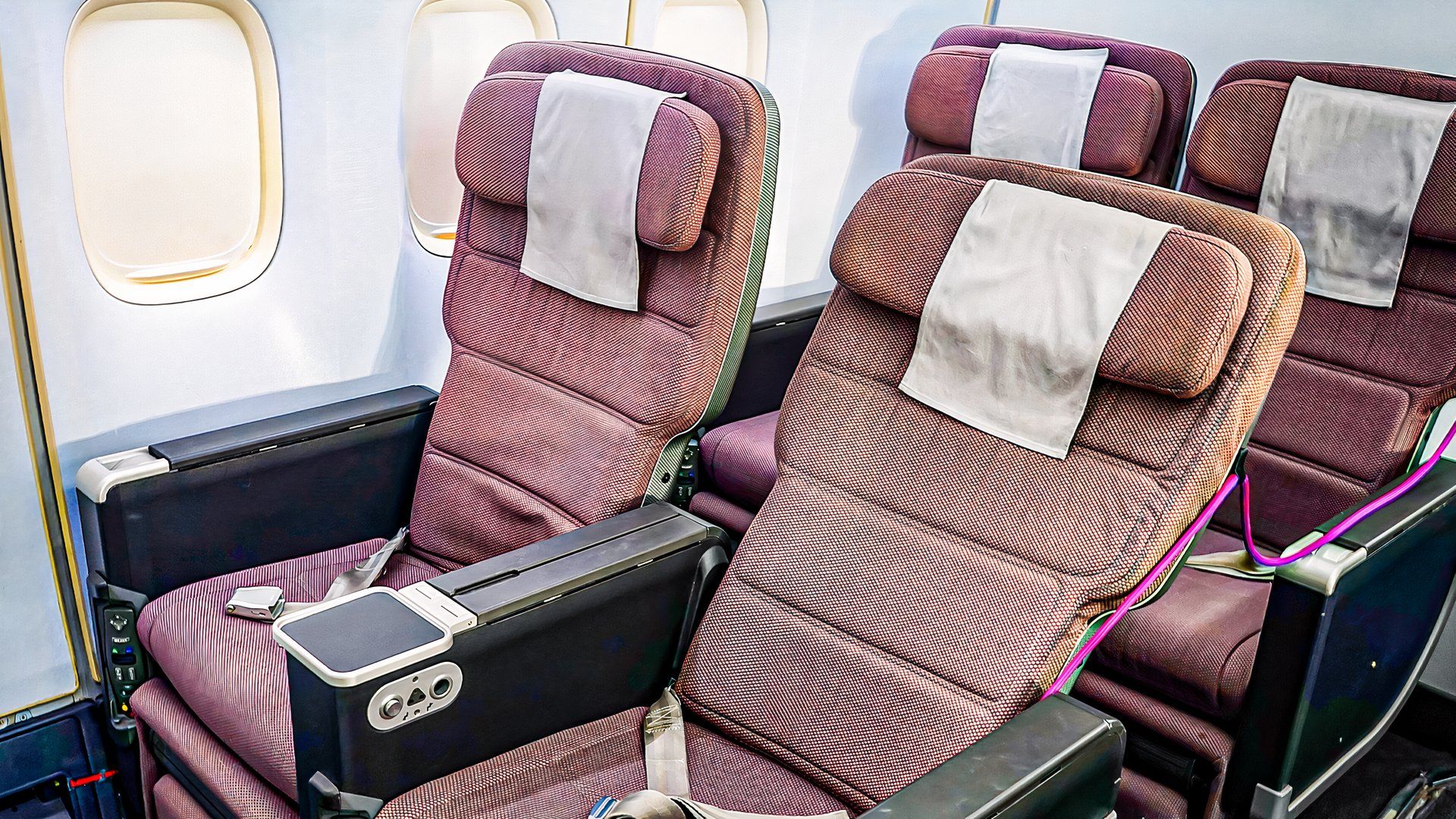
The aviation industry is witnessing a significant shift as airlines increasingly prioritize Premium Economy cabins in their revenue strategies. Once regarded as a minor upgrade, Premium Economy has matured into a vital element for profitability, offering airlines a competitive edge in a changing market landscape. With first class diminishing and business class evolving, this cabin class has become an essential offering, particularly on long-haul flights.
Evolution of Premium Economy: A Historical Overview
The origins of Premium Economy can be traced back over three decades. In the late 1970s, airlines typically operated a two-class system comprising first and economy. The introduction of business class by Qantas marked a pivotal moment, enabling airlines to cater to a broader spectrum of travelers. This segmentation proved successful, laying the groundwork for future innovations.
In 1991, EVA Air debuted its “Evergreen Class” on the Boeing 747-400, providing a dedicated cabin that featured wider seats and a more spacious layout. This offering was designed for passengers seeking comfort without the high cost associated with business class. Following suit, Virgin Atlantic launched its own version, which eventually evolved into what we now recognize as Premium Economy. By the mid-1990s, this cabin type had gained traction, becoming a staple on widebody aircraft across the globe.
Premium Economy’s Impact on Airline Strategy
As airlines adapt to market demands, the rise of Premium Economy reflects a broader trend toward hybrid service models. Traditional low-cost carriers are now introducing premium economy-style cabins, creating competition between upgraded seats and standard economy options. For instance, on the Seoul Incheon – San Francisco route, established airlines such as United Airlines and Korean Air now face competition from Air Premia, which positions itself as a hybrid airline offering both full-service and low-cost options.
Air Premia’s Premium Economy seats boast a minimum pitch of 42 inches, significantly more spacious than United Airlines’ 31-inch seats. A recent TikTok review highlighted the comfort and features of Air Premia’s cabin, drawing positive responses from viewers and indicating a growing interest in alternative airlines.
At its core, Premium Economy offers enhanced seating and service. Seat pitch typically ranges from 36 to 38 inches, compared to economy’s 30 to 33 inches. Furthermore, seats are often wider and equipped with deeper reclines and adjustable leg rests. Additional amenities include larger entertainment screens, consistent access to power outlets, and priority check-in, all contributing to an improved travel experience.
The appeal of Premium Economy lies not in luxury but in balance. For many travelers on long-haul flights, the enhanced comfort translates into better rest and reduced fatigue. This cabin class also streamlines the airport experience, reducing stress before the journey even begins.
Emirates exemplifies how airlines are integrating Premium Economy into their strategies. The airline has accelerated the rollout of its Premium Economy cabin, expanding to ten additional cities by July 1, 2024. This expansion underscores the cabin’s importance in network planning and revenue generation, with cities like Barcelona, Rome, and Brisbane set to gain the new offering.
Investments in new-generation aircraft, such as the Airbus A350 and Boeing 787, further illustrate the commitment to Premium Economy. Airlines are not merely experimenting; they are strategically planning around this cabin class. Innovations in seat ergonomics, materials, and onboard connectivity, including high-speed WiFi, are set to enhance the Premium Economy experience even further.
The financial rationale behind Premium Economy is clear. Airlines recognize that this cabin allows them to cater to passengers willing to pay a premium for additional comfort without the steep prices of business class. This market segmentation enables airlines to optimize load factors and revenue, ensuring sustainable profitability.
As the aviation landscape continues to evolve, Premium Economy stands out as a transformative force, reshaping both passenger experiences and airline strategies. The growing emphasis on this cabin class reflects a deeper understanding of customer preferences and a commitment to adapting to an ever-changing industry.







Belfast Gears Up for Vibrant St Patrick’s Day Parade on March 17

Cuba Faces Nationwide Blackout Amid Deepening Energy Crisis

Wirral Council to Restructure Leadership, Cutting Two Top Roles

Rethinking Resistance Training: Key Insights from US Experts

EU Membership on the Horizon: What It Means for Citizens

Ukrainian Drone Swarms Strike Moscow Region for Second Day

Henley Launches Innovative Initiative to Boost Local Economy

Court Ruling Allows Pandemic Tax Refund Claims Until 2026

Sean Penn’s Absence at 2026 Oscars Sparks Discussion

Coronation Street’s Shocking Murder Twist Reveals Family Secrets

Andrew Pierce Confirms Departure from ITV’s Good Morning Britain

Katie Price Faces New Health Concerns After Cancer Symptoms Resurface

Sue Radford Reveals Weight Loss Journey, Shedding 12–13 kg

Kate Garraway Sells £2 Million Home Amid Financial Struggles

Jordan Brook Faces Health Crisis in Hospital as Sophie Kasaei Stays Away

EastEnders’ Nicola Mitchell Faces Unexpected Pregnancy Crisis

Gyles Brandreth Shares Grandson’s Cancer Battle and Recovery

Bailey Announces Heartbreaking Split from Rebecca After Reunion
-
 World4 months ago
Coronation Street’s Shocking Murder Twist Reveals Family Secrets
-
 Entertainment4 months ago
Andrew Pierce Confirms Departure from ITV’s Good Morning Britain
-
 Health7 months ago
Katie Price Faces New Health Concerns After Cancer Symptoms Resurface
-
 Health3 months ago
Sue Radford Reveals Weight Loss Journey, Shedding 12–13 kg
-
 Entertainment9 months ago
Kate Garraway Sells £2 Million Home Amid Financial Struggles
-
 Entertainment1 month ago
Jordan Brook Faces Health Crisis in Hospital as Sophie Kasaei Stays Away
-
 World5 months ago
EastEnders’ Nicola Mitchell Faces Unexpected Pregnancy Crisis
-
 Health2 months ago
Gyles Brandreth Shares Grandson’s Cancer Battle and Recovery
-
 World5 months ago
Bailey Announces Heartbreaking Split from Rebecca After Reunion
-

 Entertainment8 months ago
Ann Ming Reflects on ITV’s ‘I Fought the Law’ Drama
-

 Entertainment2 months ago
Selena Gomez’s Name Linked to Epstein: Examining the Claims
-

 Health8 months ago
TOWIE Stars Sophie Kasaei and Jordan Brook Pursue Fertility Treatment