
Top Stories
Experts Warn: This Cheese Poses Serious Heart Risks

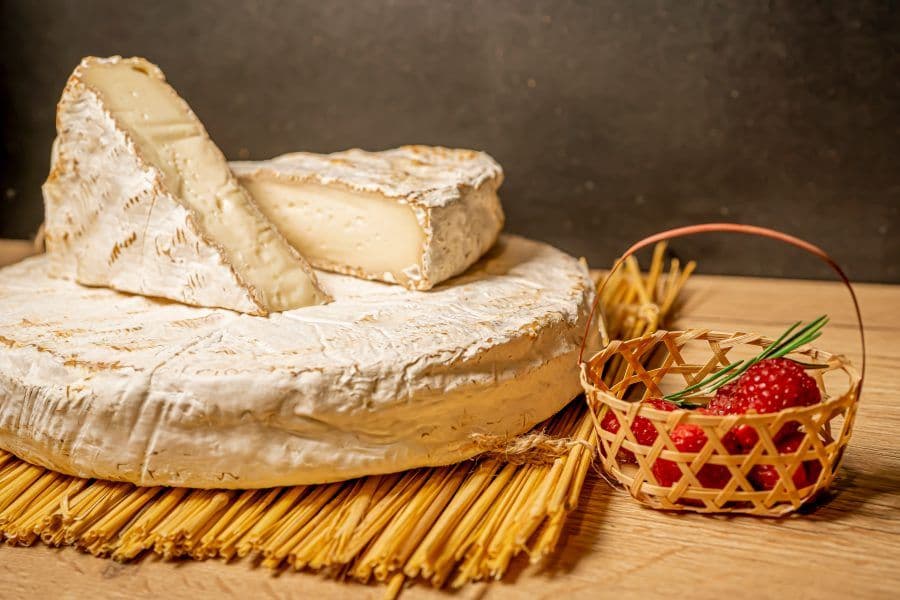
Health professionals are raising alarms about the potential dangers of certain cheese varieties on heart health. While cheese is often enjoyed for its rich flavors and comforting qualities, its impact on cardiovascular wellness cannot be overlooked.
According to cardiologists, the type and quantity of cheese consumed play a critical role in heart health. They emphasize that moderate cheese consumption typically exerts a minimal effect on low-density lipoprotein (LDL) cholesterol levels. However, cheeses high in fat can significantly elevate these levels if consumed excessively. This warning highlights the need for consumers to be mindful of their choices.
Understanding the Risks of High-Fat Cheeses
The primary concern lies in the saturated fat content prevalent in many cheeses. Saturated fats have been linked to increased risks of heart disease, stroke, and high blood pressure. Processed cheeses and full-fat options, such as cheddar and parmesan, are particularly problematic due to their higher levels of saturated fats and sodium.
For instance, a serving of mascarpone contains a staggering **29 grams of saturated fat** and **44 grams of total fat**. In comparison, a serving of cheddar cheese (approximately **60 grams**) has **23 grams of saturated fat** and **364 milligrams of sodium**. These amounts can easily surpass the daily intake recommendations set by the **American Heart Association**, highlighting the importance of making informed dietary choices.
Healthier Cheese Alternatives
Fortunately, there are healthier cheese options available that can contribute positively to heart health. Low-fat varieties like mozzarella, ricotta, and fresh cheese are recommended alternatives. For example, a half-cup serving of ricotta contains only **10 grams of saturated fat**, while the same serving of fresh cheese offers just **3 grams**.
Beyond selecting healthier cheese types, the experts advise considering what accompanies the cheese. Pairing cheese with fruits or whole grains can promote portion control and enhance nutritional balance. By practicing moderation and making thoughtful choices, cheese can remain a part of a balanced diet without imposing significant risks to heart health.
As awareness grows about the implications of cheese consumption on heart health, individuals are encouraged to evaluate their dietary habits. With informed choices, it is possible to enjoy cheese while minimizing health risks associated with heart disease.













Belfast Gears Up for Vibrant St Patrick’s Day Parade on March 17

Cuba Faces Nationwide Blackout Amid Deepening Energy Crisis

Wirral Council to Restructure Leadership, Cutting Two Top Roles

Rethinking Resistance Training: Key Insights from US Experts

EU Membership on the Horizon: What It Means for Citizens

Ukrainian Drone Swarms Strike Moscow Region for Second Day

Henley Launches Innovative Initiative to Boost Local Economy

Court Ruling Allows Pandemic Tax Refund Claims Until 2026

Sean Penn’s Absence at 2026 Oscars Sparks Discussion

Coronation Street’s Shocking Murder Twist Reveals Family Secrets

Andrew Pierce Confirms Departure from ITV’s Good Morning Britain

Katie Price Faces New Health Concerns After Cancer Symptoms Resurface

Gyles Brandreth Shares Grandson’s Cancer Battle and Recovery

Sue Radford Reveals Weight Loss Journey, Shedding 12–13 kg

Kate Garraway Sells £2 Million Home Amid Financial Struggles

Jordan Brook Faces Health Crisis in Hospital as Sophie Kasaei Stays Away

EastEnders’ Nicola Mitchell Faces Unexpected Pregnancy Crisis

Reddit Study Reveals Distinctions Between Lurkers and Power Users
-
 World8 months ago
Coronation Street’s Shocking Murder Twist Reveals Family Secrets
-
 Entertainment8 months ago
Andrew Pierce Confirms Departure from ITV’s Good Morning Britain
-
 Health12 months ago
Katie Price Faces New Health Concerns After Cancer Symptoms Resurface
-
 Health7 months ago
Gyles Brandreth Shares Grandson’s Cancer Battle and Recovery
-
 Health7 months ago
Sue Radford Reveals Weight Loss Journey, Shedding 12–13 kg
-
 Entertainment1 year ago
Kate Garraway Sells £2 Million Home Amid Financial Struggles
-
 Entertainment5 months ago
Jordan Brook Faces Health Crisis in Hospital as Sophie Kasaei Stays Away
-
 World9 months ago
EastEnders’ Nicola Mitchell Faces Unexpected Pregnancy Crisis
-
 Science8 months ago
Reddit Study Reveals Distinctions Between Lurkers and Power Users
-

 World9 months ago
Mother Charged After Son, 9, Killed in Tragic Incident in Italy
-

 Entertainment12 months ago
Ann Ming Reflects on ITV’s ‘I Fought the Law’ Drama
-

 World9 months ago
Bailey Announces Heartbreaking Split from Rebecca After Reunion