
Science
Workers Voice Concerns on AI Risks and Misinformation

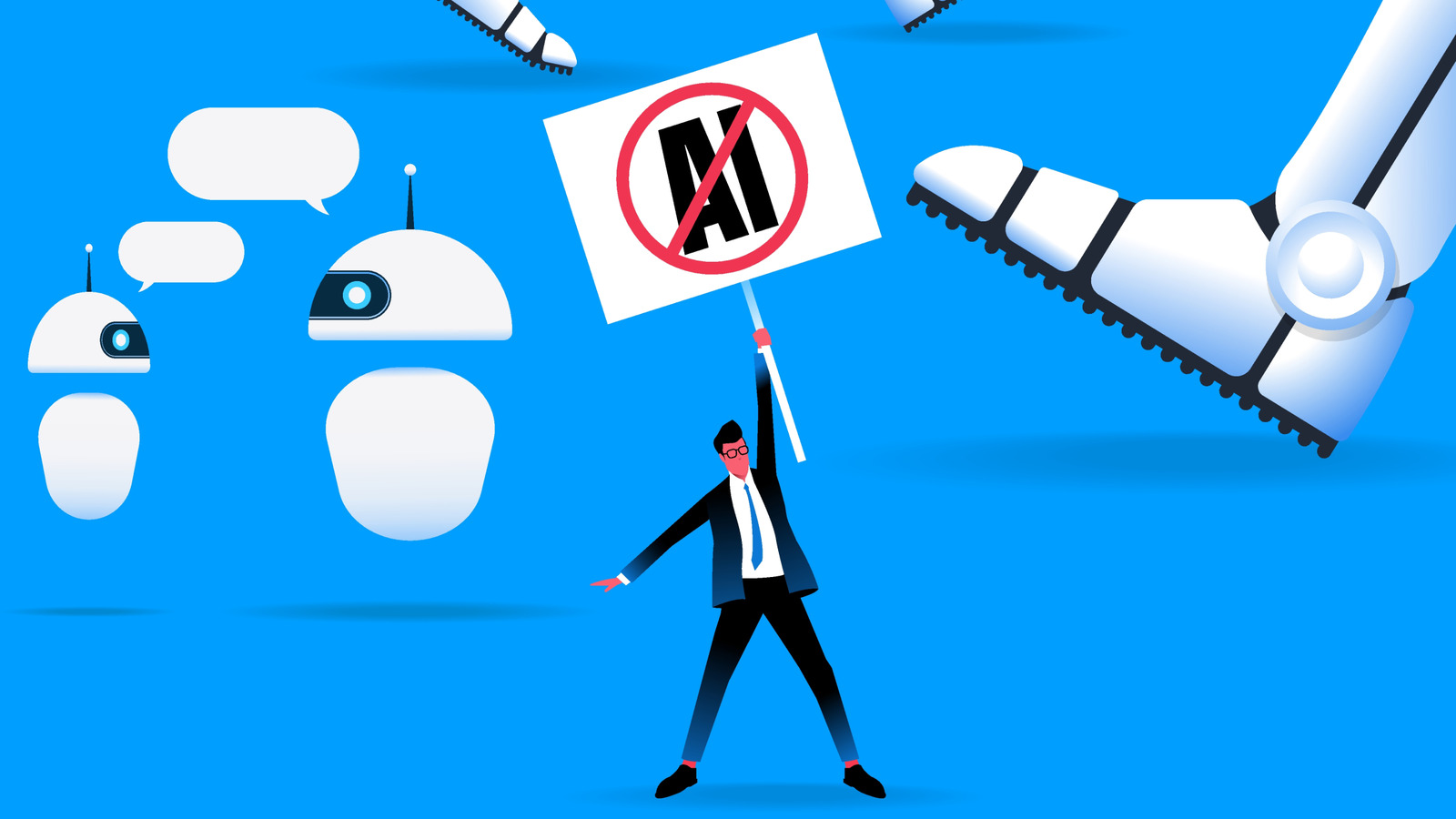
Recent insights from employees involved in training artificial intelligence (AI) reveal significant concerns regarding the technology’s reliability and safety. A report by The Guardian highlights the voices of AI workers who caution against uncritical trust in AI systems, citing issues such as unchecked biases, inadequate training, and unrealistic deadlines. Many of these workers, once engaged in shaping AI outputs, now advocate for a more cautious approach, even advising family and friends to limit their use of AI technologies.
These concerns are not entirely new; accusations of misinformation and bias in AI have been a focal point in discussions about its impact. What makes this report noteworthy is the perspective it provides from individuals typically overlooked in the broader narrative about AI—those who engage in the labor-intensive task of training these systems. Their firsthand experiences illustrate the challenges faced in the AI development process, including the pressure of tight deadlines and often vague instructions.
Voices from the Trenches of AI Development
A significant aspect of the discussion revolves around the reality of AI rating jobs. Workers describe being tasked with evaluating AI responses to complex queries, sometimes involving sensitive medical matters for which they lack appropriate qualifications. One worker noted, “We’re expected to help make the model better, yet we’re often given vague or incomplete instructions, minimal training, and unrealistic time limits to complete tasks.”
The Pause AI campaign group has compiled an “AI Probability of Doom” list, ranking the chances of severe negative outcomes from AI. This list draws from the insights of AI experts who have published extensively on the potential dangers associated with the technology. Notably, even prominent figures in the AI industry, such as Sam Altman, CEO of OpenAI, acknowledge the risks. In a podcast from June 2025, Altman remarked, “People have a very high degree of trust in ChatGPT, which is interesting because AI hallucinates. It should be the tech that you don’t trust that much.”
Despite these warnings, Altman does not advocate for complete avoidance of AI tools. This nuanced stance reflects a broader sentiment among those who have worked with AI: while the technology holds promise, it also requires rigorous scrutiny and responsible use.
The Ongoing Challenge of AI Evaluation
The process of training a GPT large language model involves two main stages: language modeling and fine-tuning. During the language modeling phase, the AI is exposed to vast amounts of text data, helping it learn language patterns. The fine-tuning stage is where human testers become crucial, reviewing and ranking AI outputs to enhance safety and user relatability.
While companies like OpenAI employ specialized engineers for complex evaluations, much of the routine assessment work is outsourced globally. This approach raises questions about the quality and thoroughness of AI testing. Workers often report that the time allocated for evaluations is insufficient for a comprehensive review, echoing concerns voiced in The Guardian article.
Despite ongoing efforts to improve AI systems through rigorous testing, issues persist. A recent investigation by The Guardian into Google AI Overviews found that the AI provided misleading medical advice regarding liver function tests. Such errors could have serious implications for individuals relying on AI for health information. Following this revelation, Google updated its AI systems and removed the controversial overview from its platform.
As AI continues to evolve, the need for a balanced approach that recognizes both its potential and its pitfalls becomes increasingly critical. The voices of AI workers, who provide essential insights into the challenges of AI development, underscore the importance of a cautious and informed perspective on this rapidly advancing technology.










Belfast Gears Up for Vibrant St Patrick’s Day Parade on March 17

Cuba Faces Nationwide Blackout Amid Deepening Energy Crisis

Wirral Council to Restructure Leadership, Cutting Two Top Roles

Rethinking Resistance Training: Key Insights from US Experts

EU Membership on the Horizon: What It Means for Citizens

Ukrainian Drone Swarms Strike Moscow Region for Second Day

Henley Launches Innovative Initiative to Boost Local Economy

Court Ruling Allows Pandemic Tax Refund Claims Until 2026

Sean Penn’s Absence at 2026 Oscars Sparks Discussion

Coronation Street’s Shocking Murder Twist Reveals Family Secrets

Andrew Pierce Confirms Departure from ITV’s Good Morning Britain

Katie Price Faces New Health Concerns After Cancer Symptoms Resurface

Sue Radford Reveals Weight Loss Journey, Shedding 12–13 kg

Kate Garraway Sells £2 Million Home Amid Financial Struggles

Jordan Brook Faces Health Crisis in Hospital as Sophie Kasaei Stays Away

EastEnders’ Nicola Mitchell Faces Unexpected Pregnancy Crisis

Bailey Announces Heartbreaking Split from Rebecca After Reunion

Ann Ming Reflects on ITV’s ‘I Fought the Law’ Drama
-
 World4 months ago
Coronation Street’s Shocking Murder Twist Reveals Family Secrets
-
 Entertainment4 months ago
Andrew Pierce Confirms Departure from ITV’s Good Morning Britain
-
 Health7 months ago
Katie Price Faces New Health Concerns After Cancer Symptoms Resurface
-
 Health2 months ago
Sue Radford Reveals Weight Loss Journey, Shedding 12–13 kg
-
 Entertainment8 months ago
Kate Garraway Sells £2 Million Home Amid Financial Struggles
-
 Entertainment3 weeks ago
Jordan Brook Faces Health Crisis in Hospital as Sophie Kasaei Stays Away
-
 World5 months ago
EastEnders’ Nicola Mitchell Faces Unexpected Pregnancy Crisis
-
 World5 months ago
Bailey Announces Heartbreaking Split from Rebecca After Reunion
-
 Entertainment7 months ago
Ann Ming Reflects on ITV’s ‘I Fought the Law’ Drama
-

 Entertainment2 months ago
Selena Gomez’s Name Linked to Epstein: Examining the Claims
-

 Health7 months ago
TOWIE Stars Sophie Kasaei and Jordan Brook Pursue Fertility Treatment
-

 Health7 months ago
Fiona Phillips’ Husband Shares Heartbreaking Update on Her Health