
Science
Test Your Home’s Readiness for Heat Pumps During Winter Chill

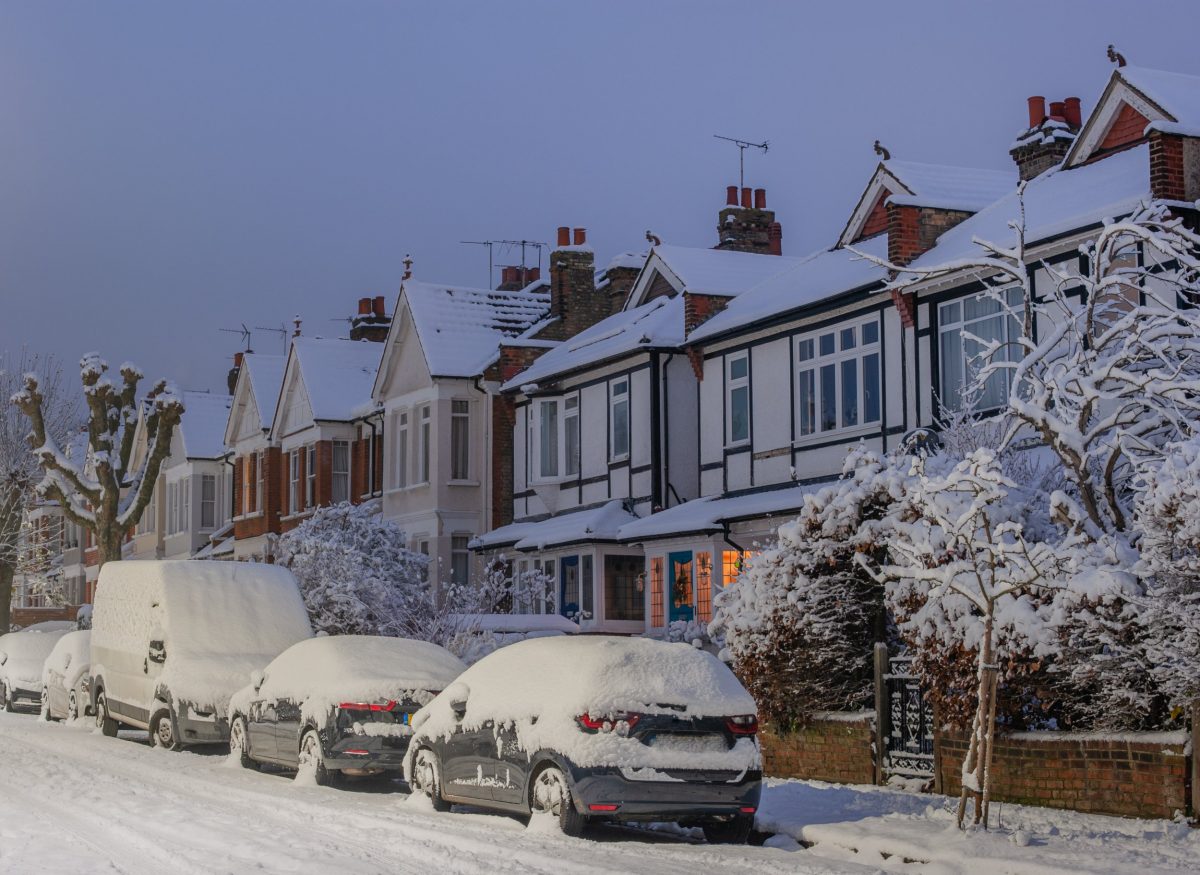
As winter temperatures drop, homeowners are encouraged to assess their readiness for heat pump systems. A recent cold snap provides an ideal opportunity to determine whether a property can effectively transition from traditional gas boilers to greener heating alternatives. This assessment can help identify any necessary upgrades, such as larger radiators or improved insulation, before making the switch.
Understanding Heat Pumps and Their Benefits
Unlike conventional gas boilers, which operate by heating water to temperatures ranging from 60°C to 70°C, heat pumps deliver hot water at a lower flow temperature of approximately 50°C. This difference means heat pumps must run for longer periods, often continuously, to maintain comfortable indoor temperatures. Their reliance on electricity rather than gas not only makes them a more sustainable option but can also lead to reduced energy costs over time.
The transition to heat pumps may initially involve higher installation costs, particularly if modifications to the existing heating system are necessary. Properties with smaller radiators or poor insulation may struggle to maintain adequate warmth during colder months, signaling the need for upgrades.
Conducting the Cold Weather Test
Homeowners can perform a simple test to gauge whether their property is ready for a heat pump. According to Bean Beanland, an energy transition specialist at the Heat Pump Association UK, this DIY assessment is not exhaustive but provides valuable insights into the effectiveness of existing radiators at lower temperatures.
The test involves adjusting the settings of the gas boiler to mimic a heat pump’s operation. Homeowners should lower the boiler’s water temperature to 50°C and ensure that it operates continuously while all radiator valves are fully open. Setting the house thermostat to a desired temperature, typically 20°C, will maintain the boiler’s operation until that temperature is reached.
If the home remains comfortably warm at 20°C despite the cold weather, it can be considered “heat pump ready.” This indicates that the heating infrastructure is capable of functioning effectively with a heat pump. If not, homeowners may need to consider enhancements such as larger radiators or additional insulation.
In cases where certain rooms are significantly colder than others, targeted improvements may suffice, focusing only on those areas that require more heating capacity. Following this assessment, the next steps include determining suitable locations for a heat pump installation and potentially engaging a professional survey to evaluate the property’s specific needs.
The cold weather test is most effective during prolonged periods of low temperatures, making the current winter season an opportune time for homeowners to evaluate their heating systems. As January progresses, it is likely that colder weather will continue to present itself, providing further chances for assessment before the winter season concludes.
By taking advantage of this cold snap, homeowners can proactively prepare for a transition to heat pumps, aligning their heating systems with sustainability goals while potentially reducing future energy costs.


Belfast Gears Up for Vibrant St Patrick’s Day Parade on March 17

Cuba Faces Nationwide Blackout Amid Deepening Energy Crisis

Wirral Council to Restructure Leadership, Cutting Two Top Roles

Rethinking Resistance Training: Key Insights from US Experts

EU Membership on the Horizon: What It Means for Citizens

Ukrainian Drone Swarms Strike Moscow Region for Second Day

Henley Launches Innovative Initiative to Boost Local Economy

Court Ruling Allows Pandemic Tax Refund Claims Until 2026

Sean Penn’s Absence at 2026 Oscars Sparks Discussion

Coronation Street’s Shocking Murder Twist Reveals Family Secrets

Andrew Pierce Confirms Departure from ITV’s Good Morning Britain

Katie Price Faces New Health Concerns After Cancer Symptoms Resurface

Gyles Brandreth Shares Grandson’s Cancer Battle and Recovery

Sue Radford Reveals Weight Loss Journey, Shedding 12–13 kg

Kate Garraway Sells £2 Million Home Amid Financial Struggles

Jordan Brook Faces Health Crisis in Hospital as Sophie Kasaei Stays Away

EastEnders’ Nicola Mitchell Faces Unexpected Pregnancy Crisis

Reddit Study Reveals Distinctions Between Lurkers and Power Users
-
 World8 months ago
Coronation Street’s Shocking Murder Twist Reveals Family Secrets
-
 Entertainment8 months ago
Andrew Pierce Confirms Departure from ITV’s Good Morning Britain
-
 Health11 months ago
Katie Price Faces New Health Concerns After Cancer Symptoms Resurface
-
 Health6 months ago
Gyles Brandreth Shares Grandson’s Cancer Battle and Recovery
-
 Health6 months ago
Sue Radford Reveals Weight Loss Journey, Shedding 12–13 kg
-
 Entertainment1 year ago
Kate Garraway Sells £2 Million Home Amid Financial Struggles
-
 Entertainment5 months ago
Jordan Brook Faces Health Crisis in Hospital as Sophie Kasaei Stays Away
-
 World9 months ago
EastEnders’ Nicola Mitchell Faces Unexpected Pregnancy Crisis
-
 Science8 months ago
Reddit Study Reveals Distinctions Between Lurkers and Power Users
-

 World9 months ago
Mother Charged After Son, 9, Killed in Tragic Incident in Italy
-

 Entertainment11 months ago
Ann Ming Reflects on ITV’s ‘I Fought the Law’ Drama
-

 World9 months ago
Bailey Announces Heartbreaking Split from Rebecca After Reunion