
Science
Scientists Warn 2025 Among Hottest Years Recorded Globally

Global temperatures have reached alarming levels, with 2025 confirmed as one of the three hottest years on record, according to scientists. This year marks the first time the three-year average temperature has exceeded the crucial limit of 1.5 degrees Celsius (2.7 degrees Fahrenheit) above pre-industrial levels, a benchmark established by the 2015 Paris Agreement. Experts emphasize that maintaining temperatures below this threshold is essential for safeguarding lives and mitigating severe environmental impacts worldwide.
The analysis, conducted by researchers from World Weather Attribution and released on March 15, 2025, highlights the extreme weather events that communities faced globally, exacerbated by the persistent effects of climate change. Notably, this year’s high temperatures occurred despite a La Niña event, a natural phenomenon that typically cools Pacific Ocean waters and influences global weather patterns. The continued reliance on fossil fuels, including oil, gas, and coal, is a significant contributor to the escalating greenhouse gas emissions that drive climate change.
“If we don’t stop burning fossil fuels very, very quickly, it will be very hard to keep that goal,” stated Friederike Otto, a co-founder of World Weather Attribution and a climate scientist at Imperial College London. “The science is increasingly clear.” The consequences of extreme weather are severe, resulting in thousands of fatalities and billions of dollars in damages each year.
In 2025, WWA identified 157 extreme weather events that met stringent criteria, such as causing over 100 deaths or triggering a state of emergency. Among these events, the researchers closely examined 22 significant occurrences, including heat waves that were categorized as the deadliest extreme weather events of the year. Their analysis revealed that certain heat waves were ten times more likely to happen now than they would have been a decade ago due to climate change.
“The heat waves we have observed this year are quite common events in our climate today, but they would have been almost impossible to occur without human-induced climate change,” Otto added. This stark reality underscores the urgent need for action.
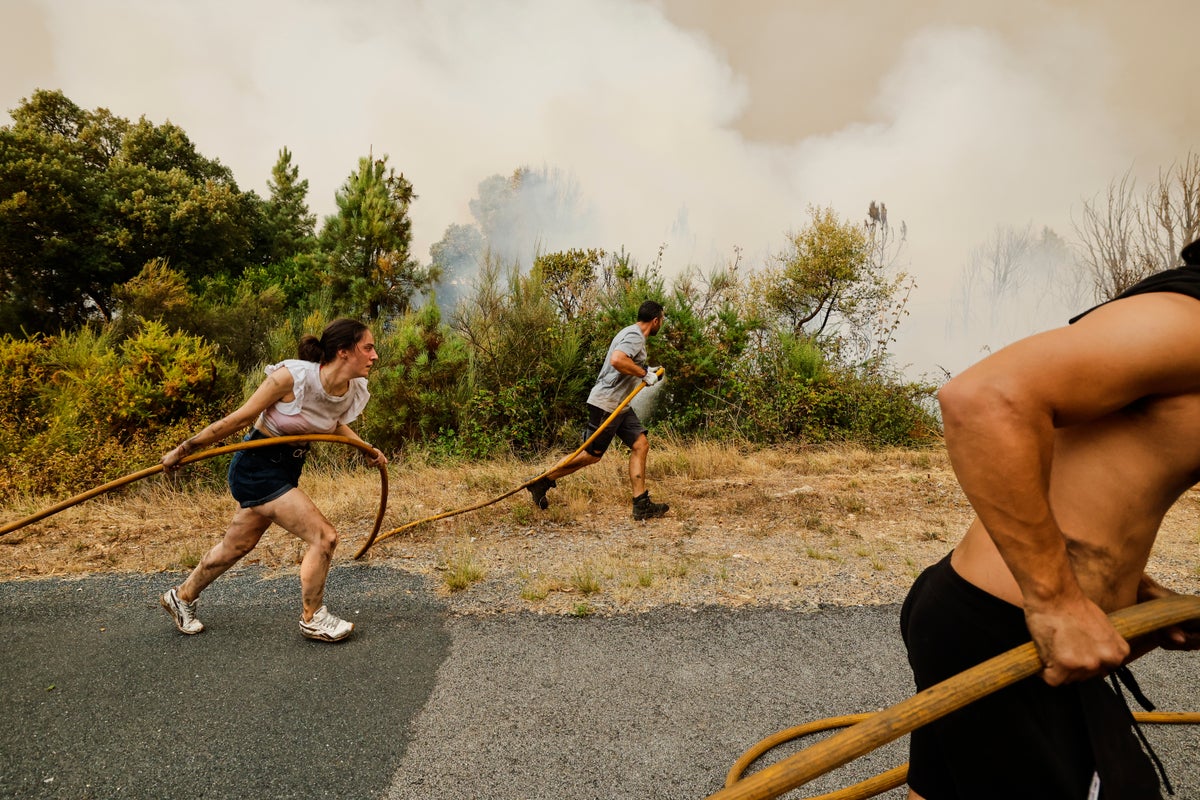
Prolonged drought conditions resulted in devastating wildfires in Greece and Turkey. In Mexico, torrential rains led to flooding that claimed dozens of lives, while Super Typhoon Fung-wong struck the Philippines, displacing over a million people. Severe monsoon rains battered India, causing floods and landslides that further complicated recovery efforts.
The WWA report cautions that the increasing frequency and severity of these extremes are straining the capacity of millions to adapt effectively. Scientists refer to this challenge as the “limits of adaptation.” For instance, Hurricane Melissa intensified rapidly, complicating forecasting and planning, which left affected nations like Jamaica, Cuba, and Haiti struggling to cope with the extensive damage.
The recent United Nations climate talks held in Brazil in November concluded without a clear strategy for transitioning away from fossil fuels. While additional funding was pledged to aid countries in adapting to climate change, achieving meaningful progress will require significant time. Multiple officials, scientists, and analysts have acknowledged that the planet’s warming will likely exceed the 1.5 degrees Celsius threshold, although some maintain that reversing this trend remains a possibility.
Countries are progressing at different rates. For example, China is rapidly increasing its investment in renewable energy, particularly solar and wind power, even as it continues to invest in coal. In contrast, responses in the United States under the previous administration focused on fossil fuels, steering away from clean energy policies.
“The geopolitical weather is very cloudy this year, with many policymakers clearly prioritizing the interests of the fossil fuel industry over their populations,” Otto remarked. “We face a significant amount of misinformation that complicates the public’s understanding of these issues.”
Andrew Kruczkiewicz, a senior researcher at the Columbia University Climate School who was not involved in the WWA study, highlighted the unprecedented nature of disasters in regions previously unaccustomed to such events. He noted that these extreme occurrences are intensifying and becoming more complex, necessitating earlier warnings and innovative approaches to response and recovery.
“On a global scale, progress is being made,” Kruczkiewicz stated, “but we must do more.” The call to action is clear: immediate and effective measures are required to address the growing climate crisis and its far-reaching impacts on communities worldwide.


Belfast Gears Up for Vibrant St Patrick’s Day Parade on March 17

Cuba Faces Nationwide Blackout Amid Deepening Energy Crisis

Wirral Council to Restructure Leadership, Cutting Two Top Roles

Rethinking Resistance Training: Key Insights from US Experts

EU Membership on the Horizon: What It Means for Citizens

Ukrainian Drone Swarms Strike Moscow Region for Second Day

Henley Launches Innovative Initiative to Boost Local Economy

Court Ruling Allows Pandemic Tax Refund Claims Until 2026

Sean Penn’s Absence at 2026 Oscars Sparks Discussion

Coronation Street’s Shocking Murder Twist Reveals Family Secrets

Andrew Pierce Confirms Departure from ITV’s Good Morning Britain

Katie Price Faces New Health Concerns After Cancer Symptoms Resurface

Sue Radford Reveals Weight Loss Journey, Shedding 12–13 kg

Kate Garraway Sells £2 Million Home Amid Financial Struggles

Jordan Brook Faces Health Crisis in Hospital as Sophie Kasaei Stays Away

EastEnders’ Nicola Mitchell Faces Unexpected Pregnancy Crisis

Bailey Announces Heartbreaking Split from Rebecca After Reunion

Ann Ming Reflects on ITV’s ‘I Fought the Law’ Drama
-
 World4 months ago
Coronation Street’s Shocking Murder Twist Reveals Family Secrets
-
 Entertainment4 months ago
Andrew Pierce Confirms Departure from ITV’s Good Morning Britain
-
 Health7 months ago
Katie Price Faces New Health Concerns After Cancer Symptoms Resurface
-
 Health2 months ago
Sue Radford Reveals Weight Loss Journey, Shedding 12–13 kg
-
 Entertainment8 months ago
Kate Garraway Sells £2 Million Home Amid Financial Struggles
-
 Entertainment3 weeks ago
Jordan Brook Faces Health Crisis in Hospital as Sophie Kasaei Stays Away
-
 World5 months ago
EastEnders’ Nicola Mitchell Faces Unexpected Pregnancy Crisis
-
 World5 months ago
Bailey Announces Heartbreaking Split from Rebecca After Reunion
-
 Entertainment7 months ago
Ann Ming Reflects on ITV’s ‘I Fought the Law’ Drama
-

 Entertainment2 months ago
Selena Gomez’s Name Linked to Epstein: Examining the Claims
-

 Health7 months ago
TOWIE Stars Sophie Kasaei and Jordan Brook Pursue Fertility Treatment
-

 Health7 months ago
Fiona Phillips’ Husband Shares Heartbreaking Update on Her Health