
Science
New Blood Test for Alzheimer’s Could Transform Diagnosis and Care

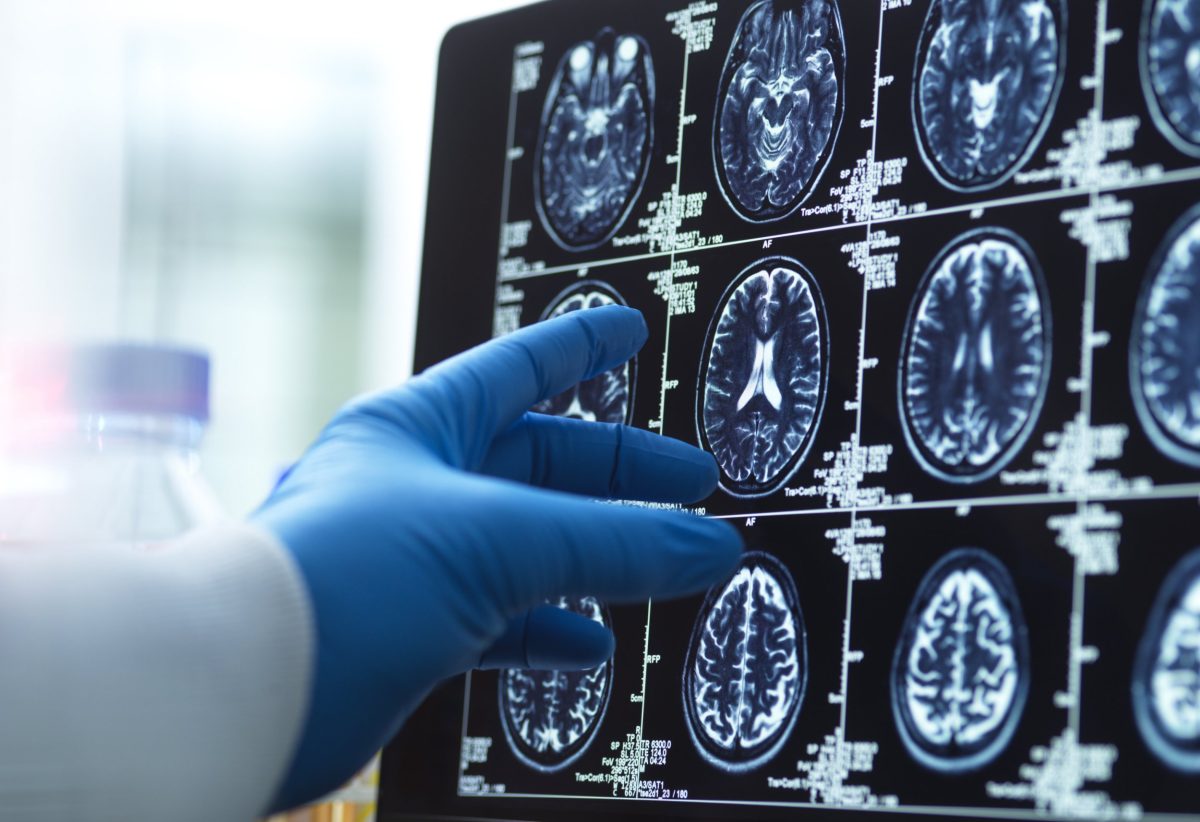
A new blood test aimed at diagnosing Alzheimer’s disease is being trialed across the United Kingdom, with the potential to significantly improve early diagnosis and treatment for patients. This major trial, involving 1,100 British patients from memory clinics, seeks to determine the effectiveness of the test in routine NHS practice. If successful, it could be available to the public by 2028.
Currently, diagnosing dementia, including Alzheimer’s, poses significant challenges due to the complexity of the disease and the variety of conditions that can affect memory. Traditional methods, such as brain scans and spinal fluid tests, are invasive and often lead to long wait times for results. The new blood test, which detects the protein p-tau217, could streamline this process, allowing for quicker and more accurate diagnoses.
According to Sheona Scales, head of research at Alzheimer’s Research UK, “Getting an early and accurate diagnosis gives people the answers they need to unlock support and care.” The test identifies the accumulation of Alzheimer’s-related proteins in the brain, enabling healthcare providers to recommend treatments that may alleviate memory issues and assist families in planning for the future.
While many experts view the introduction of this blood test as a potential game changer, there are significant concerns regarding its implications. Professor Rob Howard, a dementia expert at University College London, warns that the test could lead to distress and anxiety for individuals who are informed they are on a path to Alzheimer’s years before any symptoms manifest. He notes that in some cases, the pathological changes associated with Alzheimer’s can occur decades before cognitive symptoms emerge.
The concern extends to older populations, where the test may identify individuals who possess the Alzheimer’s proteins but are unlikely to live long enough to experience the full progression of the disease. “Someone who’s 85 may have a worry about their memory and may test positive, but the likelihood is they’re actually going to die before they reach 105, when their dementia would appear,” said Howard. This raises questions about the necessity and psychological impact of early testing.
Beyond concerns about potential anxiety for patients, experts caution against the broader implications of public access to the test. Professor Jonathan Schott, a neurologist at the National Hospital for Neurology and Neurosurgery, emphasizes that testing should be limited to individuals exhibiting symptoms of cognitive impairment or dementia. “We would strongly advise against people going for testing unless they have symptoms,” he stated, highlighting the risk of unnecessary worry for those who may simply be experiencing normal age-related memory lapses.
Currently, the blood test is available for purchase in the United States, where companies advise customers to seek medical guidance before using the test. However, enforcement of these recommendations is challenging, and the UK may soon see similar access. Experts worry that increasing public awareness around Alzheimer’s could lead to a rise in individuals mistakenly believing they have the disease based on normal forgetfulness, potentially exacerbating their anxiety and cognitive concerns.
The trial will assess whether the p-tau217 blood test can improve early assessments for patients with suspected dementia, potentially allowing for more effective treatment strategies. Researchers have made significant advancements in blood testing technologies over the past five years, enabling the detection of proteins at lower concentrations than ever before. If validated for NHS use, this blood test could represent a landmark shift in how Alzheimer’s is diagnosed and treated, making the process more accessible and less invasive for patients.
As the trial progresses, healthcare professionals remain vigilant about the implications of introducing such diagnostic tools into the public domain. The balance between providing timely diagnoses and managing the psychological effects of early detection will be critical as the medical community navigates this evolving landscape.








Belfast Gears Up for Vibrant St Patrick’s Day Parade on March 17

Cuba Faces Nationwide Blackout Amid Deepening Energy Crisis

Wirral Council to Restructure Leadership, Cutting Two Top Roles

Rethinking Resistance Training: Key Insights from US Experts

EU Membership on the Horizon: What It Means for Citizens

Ukrainian Drone Swarms Strike Moscow Region for Second Day

Henley Launches Innovative Initiative to Boost Local Economy

Court Ruling Allows Pandemic Tax Refund Claims Until 2026

Sean Penn’s Absence at 2026 Oscars Sparks Discussion

Coronation Street’s Shocking Murder Twist Reveals Family Secrets

Andrew Pierce Confirms Departure from ITV’s Good Morning Britain

Katie Price Faces New Health Concerns After Cancer Symptoms Resurface

Gyles Brandreth Shares Grandson’s Cancer Battle and Recovery

Sue Radford Reveals Weight Loss Journey, Shedding 12–13 kg

Kate Garraway Sells £2 Million Home Amid Financial Struggles

Jordan Brook Faces Health Crisis in Hospital as Sophie Kasaei Stays Away

EastEnders’ Nicola Mitchell Faces Unexpected Pregnancy Crisis

Reddit Study Reveals Distinctions Between Lurkers and Power Users
-
 World9 months ago
Coronation Street’s Shocking Murder Twist Reveals Family Secrets
-
 Entertainment9 months ago
Andrew Pierce Confirms Departure from ITV’s Good Morning Britain
-
 Health12 months ago
Katie Price Faces New Health Concerns After Cancer Symptoms Resurface
-
 Health7 months ago
Gyles Brandreth Shares Grandson’s Cancer Battle and Recovery
-
 Health7 months ago
Sue Radford Reveals Weight Loss Journey, Shedding 12–13 kg
-
 Entertainment1 year ago
Kate Garraway Sells £2 Million Home Amid Financial Struggles
-
 Entertainment5 months ago
Jordan Brook Faces Health Crisis in Hospital as Sophie Kasaei Stays Away
-
 World10 months ago
EastEnders’ Nicola Mitchell Faces Unexpected Pregnancy Crisis
-
 Science9 months ago
Reddit Study Reveals Distinctions Between Lurkers and Power Users
-

 World9 months ago
Mother Charged After Son, 9, Killed in Tragic Incident in Italy
-

 Entertainment12 months ago
Ann Ming Reflects on ITV’s ‘I Fought the Law’ Drama
-

 World9 months ago
Bailey Announces Heartbreaking Split from Rebecca After Reunion