
Science
MassRobotics Welcomes 11 Startups to Transform Healthcare Robotics

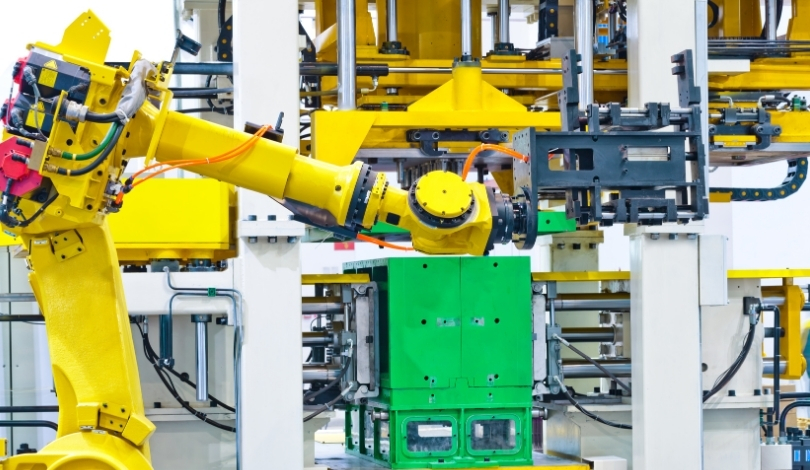
Healthcare robotics is experiencing a surge in interest as institutions seek advanced automation to enhance patient care and streamline operations. In 2026, the MassRobotics Healthcare Robotics Startup Catalyst program has welcomed eleven innovative startups, each aiming to introduce groundbreaking technologies ranging from AI-driven dental tools to autonomous logistics systems within hospitals. As healthcare systems face increasing workloads and staffing shortages, these innovations are becoming increasingly relevant.
The current cohort marks a shift from previous years, which featured smaller groups and a focus on regional participants. The expansion of the program has facilitated broader industry partnerships, a specialized medical advisory board, and an emphasis on crucial topics such as regulatory compliance and cybersecurity. These elements are essential for success in the healthcare sector, where rigorous standards must be met.
What Innovations Are Being Developed?
Among the eleven startups in the 2026 cohort, notable contributions include Enchanted Tools, which is developing its Mirokaï robots designed for enhancing patient companionship, and Andromeda, which focuses on robotics for aged care environments. Other participants include Hesy Tech and Inception Robotics, who are dedicated to automating dental hygiene and pharmacy processes, respectively.
The cohort also features solutions for clinical diagnostics and logistics, such as HyperSpectralCorp’s pathogen detection systems and Zeus Robotics’ ZERA robot, designed to facilitate deliveries within hospitals. Collectively, these startups represent a diverse array of robotics applications that address specific needs in healthcare settings and life sciences.
How Does the Catalyst Program Support Startups?
The 2026 Healthcare Robotics Startup Catalyst offers participating companies a five-month hybrid mentorship and acceleration program. This initiative connects founders with experienced mentors from corporate partners as well as experts in healthcare and robotics. The curriculum includes technical sessions, workshops focusing on healthcare regulations and commercialization, and hands-on feedback to ensure that products align with patient safety and operational requirements.
Highlight events will include Healthcare in Robotics Week in Boston and a showcase at the Robotics Summit & Expo, where startups will present their solutions to potential investors and industry leaders.
Startups benefit from guidance provided by a Medical Advisory Board composed of clinicians and healthcare executives. This support is crucial for aligning technologies with clinical needs and best practices. Mentors assist with scaling operations and navigating regulatory challenges, such as FDA certification. MassRobotics also organizes workshops focused on intellectual property, cybersecurity, and investment readiness, helping participants move from prototype to commercial launch.
MassRobotics reports that this initiative aims to bridge the gap between innovative engineering and real-world healthcare deployment. According to Juan Necochea, the Strategic Partnerships Director, “The Healthcare Robotics Startup Catalyst was created to bridge the gap between technological possibility and clinical reality.” He adds that connecting founders with corporate collaborators and medical experts is intended to expedite their path to market while ultimately improving patient outcomes.
The nonprofit organization provides resources, workspaces, and connections not only for product development but also for scaling and market entry. Its hybrid approach encourages global participation, reflecting the increasingly international scope of healthcare robotics.
The expansion of the Catalyst program indicates a sustained demand for innovation in healthcare robotics, particularly in technologies focused on operational efficiency, patient support, and clinical automation. For startups entering this competitive sector, a keen focus on regulatory strategy and clinical validation is paramount, as advanced prototypes must undergo rigorous safety and ethics evaluations before adoption.
Understanding practical workflows and the unique needs of end users—both patients and healthcare providers—remains essential alongside technical achievements. As robotics become more integrated into healthcare systems, insights gained from the Accelerator’s comprehensive approach may offer aspiring founders valuable perspectives on common challenges, effective partnerships, and market expectations.
For hospitals and research organizations, the program’s curated pipeline highlights promising solutions that address resource gaps and support the delivery of high-quality care.





Belfast Gears Up for Vibrant St Patrick’s Day Parade on March 17

Cuba Faces Nationwide Blackout Amid Deepening Energy Crisis

Wirral Council to Restructure Leadership, Cutting Two Top Roles

Rethinking Resistance Training: Key Insights from US Experts

EU Membership on the Horizon: What It Means for Citizens

Ukrainian Drone Swarms Strike Moscow Region for Second Day

Henley Launches Innovative Initiative to Boost Local Economy

Court Ruling Allows Pandemic Tax Refund Claims Until 2026

Sean Penn’s Absence at 2026 Oscars Sparks Discussion

Coronation Street’s Shocking Murder Twist Reveals Family Secrets

Andrew Pierce Confirms Departure from ITV’s Good Morning Britain

Katie Price Faces New Health Concerns After Cancer Symptoms Resurface

Sue Radford Reveals Weight Loss Journey, Shedding 12–13 kg

Kate Garraway Sells £2 Million Home Amid Financial Struggles

Jordan Brook Faces Health Crisis in Hospital as Sophie Kasaei Stays Away

EastEnders’ Nicola Mitchell Faces Unexpected Pregnancy Crisis

Bailey Announces Heartbreaking Split from Rebecca After Reunion

Ann Ming Reflects on ITV’s ‘I Fought the Law’ Drama
-
 World4 months ago
Coronation Street’s Shocking Murder Twist Reveals Family Secrets
-
 Entertainment4 months ago
Andrew Pierce Confirms Departure from ITV’s Good Morning Britain
-
 Health7 months ago
Katie Price Faces New Health Concerns After Cancer Symptoms Resurface
-
 Health3 months ago
Sue Radford Reveals Weight Loss Journey, Shedding 12–13 kg
-
 Entertainment8 months ago
Kate Garraway Sells £2 Million Home Amid Financial Struggles
-
 Entertainment4 weeks ago
Jordan Brook Faces Health Crisis in Hospital as Sophie Kasaei Stays Away
-
 World5 months ago
EastEnders’ Nicola Mitchell Faces Unexpected Pregnancy Crisis
-
 World5 months ago
Bailey Announces Heartbreaking Split from Rebecca After Reunion
-
 Entertainment7 months ago
Ann Ming Reflects on ITV’s ‘I Fought the Law’ Drama
-

 Entertainment2 months ago
Selena Gomez’s Name Linked to Epstein: Examining the Claims
-

 Health7 months ago
TOWIE Stars Sophie Kasaei and Jordan Brook Pursue Fertility Treatment
-

 Health8 months ago
Fiona Phillips’ Husband Shares Heartbreaking Update on Her Health