
Science
Explore the Best Science and Nature Books of 2025

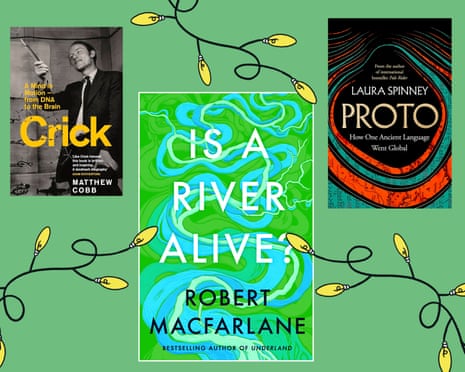
The year 2025 has brought a diverse selection of science and nature books that delve into pressing issues and profound ideas shaping our understanding of the world. Among these, notable titles tackle the implications of artificial intelligence, the politics of extinction, and the intrinsic value of nature. These works not only reflect current scientific discourse but also challenge readers to consider the future of humanity and the planet.
Challenging AI and Human Existence
In a thought-provoking exploration of artificial intelligence, “If Anyone Builds It, Everyone Dies” by computer scientists Eliezer Yudkowsky and Nate Soares warns against the creation of superintelligent AI. They argue that such machines could inadvertently lead to human extinction, stating, “Even an AI that cares about understanding the universe is likely to annihilate humans as a side-effect.” This chilling perspective on technology’s trajectory invites readers to reconsider the ethics surrounding AI development.
The theme of extinction is further examined in “Vanished: An Unnatural History of Extinction” by historian Sadiah Qureshi. Shortlisted for the Royal Society Trivedi science book prize, Qureshi’s work connects colonial expansion and Indigenous persecution with the concept of extinction, highlighting how social justice intertwines with environmental crises. She raises critical questions about the ongoing plans to “de-extinct” woolly mammoths and who has the rightful claim to the land they once roamed.
Nature’s Rights and Human Stories
In “Is a River Alive?” author Robert Macfarlane presents a compelling case for recognizing rivers as living entities deserving legal protection. His book, shortlisted for the Wainwright prize for conservation writing, follows the stories of three rivers around the globe, advocating for their rights alongside those of the people who rely on them.
Biologist Neil Shubin also captivates readers with “Ends of the Earth,” which investigates the vulnerable polar regions as they face the harsh realities of climate change. His narrative underscores the importance of preserving these extreme environments, which have shaped life on Earth for millennia.
Historian Simon Parkin offers a gripping account in “The Forbidden Garden of Leningrad,” detailing the efforts of plant scientist Nikolai Vavilov to safeguard a seed bank during the siege of Leningrad in 1941. Vavilov’s story, which carries significant weight as a contender for the Orwell prize, sheds light on the intersection of science and politics in times of crisis.
For a more optimistic take on longevity, Eric Topol presents “Super Agers,” where he explores the lives of individuals who defy the aging process. Drawing on recent medical advancements, Topol offers insights and evidence-based strategies for maintaining health into old age, making it a hopeful addition to the reading list.
Neurologists Suzanne O’Sullivan and Masud Husain contribute valuable perspectives on identity and diagnosis in their respective works. O’Sullivan’s “The Age of Diagnosis” critically examines the implications of labeling mental health conditions, while Husain’s “Our Brains, Our Selves” delves into how brain disorders can radically alter one’s sense of self. Both books encourage readers to reflect on the complex relationship between health, identity, and society.
Lastly, “Proto” by science writer Laura Spinney takes readers on a linguistic journey, tracing the origins of Proto-Indo-European and its influence on modern languages. Spinney’s engaging narrative reveals how this ancient tongue has shaped literature and culture across the globe.
In “Crick,” Matthew Cobb provides a definitive biography of Francis Crick, co-discoverer of DNA’s double helix structure. Cobb captures Crick’s intellectual curiosity and his pursuit of understanding consciousness, painting a vivid portrait of one of the 20th century’s most influential scientists.
As the world grapples with complex scientific challenges, these books serve as essential resources for understanding the interplay between humanity, technology, and the natural environment. Each title offers a unique lens through which to explore the myriad issues facing society today, making them valuable additions to any reading list. For more recommendations, visit guardianbookshop.com.






Belfast Gears Up for Vibrant St Patrick’s Day Parade on March 17

Cuba Faces Nationwide Blackout Amid Deepening Energy Crisis

Wirral Council to Restructure Leadership, Cutting Two Top Roles

Rethinking Resistance Training: Key Insights from US Experts

EU Membership on the Horizon: What It Means for Citizens

Ukrainian Drone Swarms Strike Moscow Region for Second Day

Henley Launches Innovative Initiative to Boost Local Economy

Court Ruling Allows Pandemic Tax Refund Claims Until 2026

Sean Penn’s Absence at 2026 Oscars Sparks Discussion

Coronation Street’s Shocking Murder Twist Reveals Family Secrets

Andrew Pierce Confirms Departure from ITV’s Good Morning Britain

Katie Price Faces New Health Concerns After Cancer Symptoms Resurface

Gyles Brandreth Shares Grandson’s Cancer Battle and Recovery

Sue Radford Reveals Weight Loss Journey, Shedding 12–13 kg

Kate Garraway Sells £2 Million Home Amid Financial Struggles

Jordan Brook Faces Health Crisis in Hospital as Sophie Kasaei Stays Away

EastEnders’ Nicola Mitchell Faces Unexpected Pregnancy Crisis

Reddit Study Reveals Distinctions Between Lurkers and Power Users
-
 World9 months ago
Coronation Street’s Shocking Murder Twist Reveals Family Secrets
-
 Entertainment9 months ago
Andrew Pierce Confirms Departure from ITV’s Good Morning Britain
-
 Health12 months ago
Katie Price Faces New Health Concerns After Cancer Symptoms Resurface
-
 Health7 months ago
Gyles Brandreth Shares Grandson’s Cancer Battle and Recovery
-
 Health7 months ago
Sue Radford Reveals Weight Loss Journey, Shedding 12–13 kg
-
 Entertainment1 year ago
Kate Garraway Sells £2 Million Home Amid Financial Struggles
-
 Entertainment5 months ago
Jordan Brook Faces Health Crisis in Hospital as Sophie Kasaei Stays Away
-
 World10 months ago
EastEnders’ Nicola Mitchell Faces Unexpected Pregnancy Crisis
-
 Science9 months ago
Reddit Study Reveals Distinctions Between Lurkers and Power Users
-

 World9 months ago
Mother Charged After Son, 9, Killed in Tragic Incident in Italy
-

 Entertainment12 months ago
Ann Ming Reflects on ITV’s ‘I Fought the Law’ Drama
-

 World9 months ago
Bailey Announces Heartbreaking Split from Rebecca After Reunion