
Science
Climate Change Fuels Geophysical Hazards: New Research Unveiled

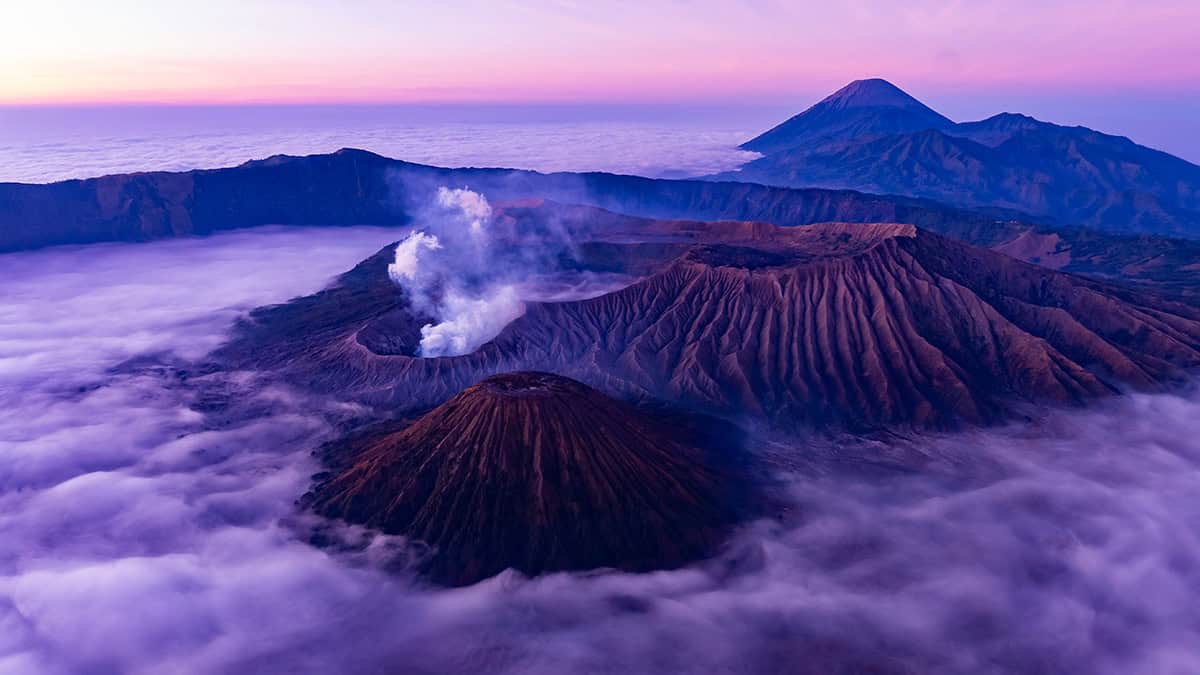
Recent studies reveal a troubling connection between climate change and an increase in geophysical hazards, including seismic activity and volcanic eruptions. Research led by Swiss seismologist Verena Simon indicates that changes in temperature and precipitation patterns are influencing seismicity in the Mont Blanc region, which spans Switzerland, France, and Italy. Since 2015, a clear annual pattern in microquakes has emerged, linked to seasonal meltwater infiltration exacerbated by climate change.
The research team at the Swiss Seismological Service observed that seismic activity increases each autumn, remaining elevated until winter. This trend correlates with a rise in meltwater infiltrating the Mont Blanc massif, driven by climate-induced heat waves. The study, which analyzed data from the Mont Blanc tunnel, found that water flow into the tunnel significantly increases from August to October, suggesting that melting glaciers and snow are influencing underground pressure and fault stability.
To further understand the seasonal dynamics of water infiltration, Simon and her colleagues developed a hydrological model integrating meteorological and hydrological data. Their findings demonstrate a distinct relationship between meltwater and seismic activity, with shallow quakes linked to runoff from the previous year and deeper quakes exhibiting a two-year delay. The onset of increased seismic activity since 2015 is believed to be related to a record-breaking heatwave that year, which caused significant rockfalls and changes in the natural landscape.
Extreme Weather and Seismic Activity
Climate change is also intensifying extreme weather patterns, leading to heavier rainfall that influences seismicity. For instance, in 2020, Storm Alex unleashed over 600 mm of rain in southeastern France within a single day. Following this deluge, 188 earthquakes were recorded in the Tinée valley over the next 100 days—a figure that would typically be spread over five years. Research published in 2024 confirmed that increased fluid pressure from such extreme rainfall initiated a seismic swarm in the region.
Similar incidents have occurred elsewhere. A 2002 storm in southern France and a sequence of earthquakes in central Switzerland in 2005 were both linked to intense rainfall. According to Marco Bohnhoff from the GFZ Helmholtz Centre for Geosciences in Potsdam, Germany, the relationship between fluid infiltration and seismic activity is well established, with factors such as oil and gas extraction and geothermal energy production demonstrating similar patterns.
Research has also highlighted the Koyna Dam in India, where seismic activity correlates with rising water levels during the monsoon season. The reservoir’s water level rises approximately 20–25 meters each year, leading to increased seismic events. Bohnhoff noted that seismic activity in Koyna ceases after the rain stops, illustrating how water pressure affects geological stability.
Volcanic Activity Linked to Climate Change
The implications of climate change extend beyond earthquakes to include volcanic activity. The December 2021 eruption of Mount Semeru in Indonesia exemplifies how heavy rainfall can trigger volcanic hazards. The collapse of the lava dome, exacerbated by extreme rainfall, resulted in devastating eruptions and mudflows that claimed at least 69 lives and damaged thousands of homes. While attributing specific volcanic events to climate change is complex, researchers like Jamie Farquharson have observed correlations between rainfall and volcanic activity.
Farquharson’s studies suggest that heavy rainfall increases pore pressure in volcanic structures, potentially leading to explosive eruptions. He and his team found that climate models predict increased extreme rainfall at over 700 volcanoes worldwide due to rising global temperatures. The research indicates a significant risk in regions already prone to volcanic activity, such as the Caribbean, Mediterranean, and the Pacific Ring of Fire.
As the climate warms, volcanoes buried under ice may also become more active. Research by Brad Singer from the University of Wisconsin-Madison indicates that the melting of ice sheets can lead to an increase in explosive eruptions. The reduction of weight on volcanic systems allows magma to expand, potentially resulting in eruptions that could further contribute to climate change through greenhouse gas emissions.
The interconnectivity of climate change, seismicity, and volcanic activity emphasizes the urgency of addressing global warming. With rising sea levels and increased volcanic hazards, the risk to communities and ecosystems is escalating. Understanding these complex relationships is critical for developing effective strategies to mitigate the impacts of climate change on geological hazards.













Belfast Gears Up for Vibrant St Patrick’s Day Parade on March 17

Cuba Faces Nationwide Blackout Amid Deepening Energy Crisis

Wirral Council to Restructure Leadership, Cutting Two Top Roles

Rethinking Resistance Training: Key Insights from US Experts

EU Membership on the Horizon: What It Means for Citizens

Ukrainian Drone Swarms Strike Moscow Region for Second Day

Henley Launches Innovative Initiative to Boost Local Economy

Court Ruling Allows Pandemic Tax Refund Claims Until 2026

Sean Penn’s Absence at 2026 Oscars Sparks Discussion

Coronation Street’s Shocking Murder Twist Reveals Family Secrets

Andrew Pierce Confirms Departure from ITV’s Good Morning Britain

Katie Price Faces New Health Concerns After Cancer Symptoms Resurface

Gyles Brandreth Shares Grandson’s Cancer Battle and Recovery

Sue Radford Reveals Weight Loss Journey, Shedding 12–13 kg

Kate Garraway Sells £2 Million Home Amid Financial Struggles

Jordan Brook Faces Health Crisis in Hospital as Sophie Kasaei Stays Away

EastEnders’ Nicola Mitchell Faces Unexpected Pregnancy Crisis

Reddit Study Reveals Distinctions Between Lurkers and Power Users
-
 World8 months ago
Coronation Street’s Shocking Murder Twist Reveals Family Secrets
-
 Entertainment8 months ago
Andrew Pierce Confirms Departure from ITV’s Good Morning Britain
-
 Health12 months ago
Katie Price Faces New Health Concerns After Cancer Symptoms Resurface
-
 Health7 months ago
Gyles Brandreth Shares Grandson’s Cancer Battle and Recovery
-
 Health7 months ago
Sue Radford Reveals Weight Loss Journey, Shedding 12–13 kg
-
 Entertainment1 year ago
Kate Garraway Sells £2 Million Home Amid Financial Struggles
-
 Entertainment5 months ago
Jordan Brook Faces Health Crisis in Hospital as Sophie Kasaei Stays Away
-
 World10 months ago
EastEnders’ Nicola Mitchell Faces Unexpected Pregnancy Crisis
-
 Science8 months ago
Reddit Study Reveals Distinctions Between Lurkers and Power Users
-

 World9 months ago
Mother Charged After Son, 9, Killed in Tragic Incident in Italy
-

 Entertainment12 months ago
Ann Ming Reflects on ITV’s ‘I Fought the Law’ Drama
-

 World9 months ago
Bailey Announces Heartbreaking Split from Rebecca After Reunion