
Science
Chinese Study Reveals Hidden Clouds of Plastic Over Cities

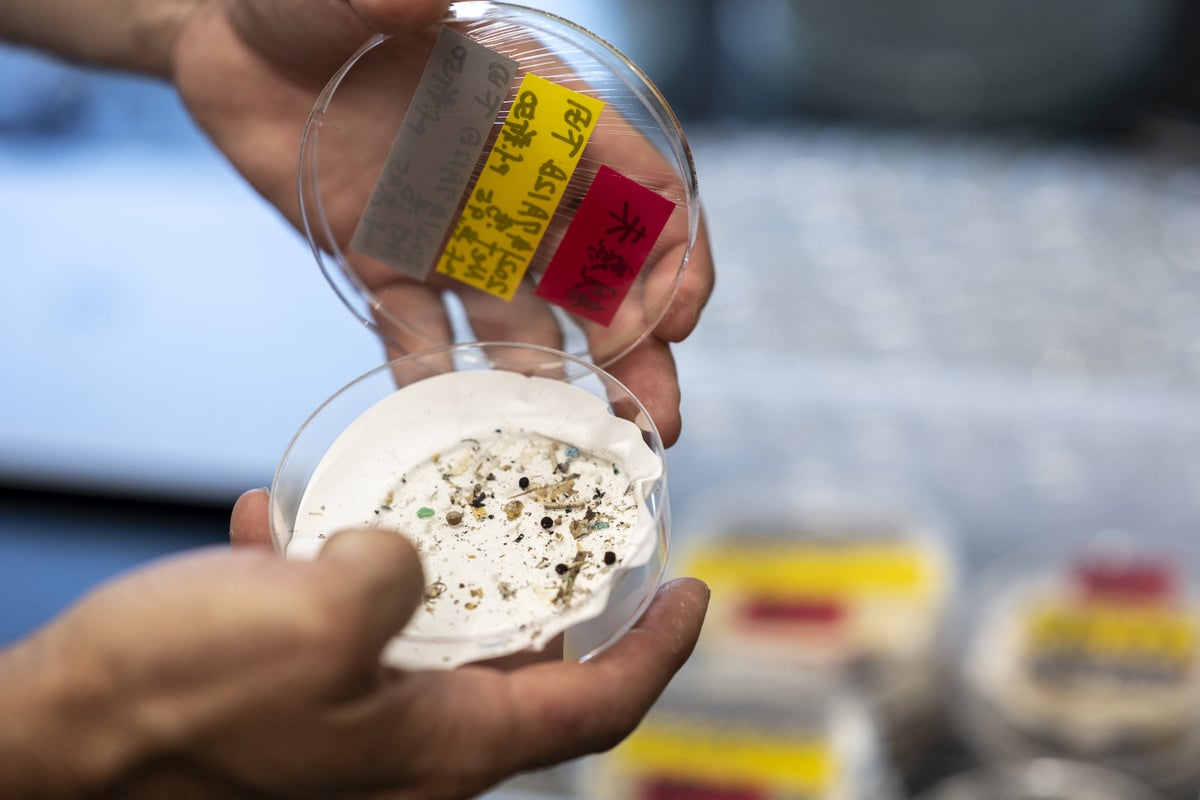
Chinese scientists have discovered clouds of plastic particles suspended in the air over the cities of Guangzhou and Xi’an, indicating a far greater abundance of these potentially toxic particles than previously recognized. This finding highlights a significant environmental concern, as tiny microplastics and nanoplastics have emerged as a growing form of pollution over the past two decades. Researchers worldwide have detected these particles in various environments, including soils, living organisms, and the atmosphere, with occurrences noted even in the remote Arctic and Antarctic regions.
While the health implications of microplastics and nanoplastics are becoming clearer, they are associated with a range of conditions, such as hormonal disruption, cancer, cardiovascular diseases, impaired reproduction, and neurological damage. Despite this knowledge, several critical questions remain unanswered, including the total quantity of these particles, their origins, transformations over time, and their final destinations. Researchers suspect that these synthetic materials may also circulate through the planet’s water cycle, complicating their environmental impact further.
New Findings on Atmospheric Plastic Particles
In a recent study, scientists examined the distribution of microplastic (MP) and nanoplastic (NP) particles—some measuring just 200 nanometers, significantly smaller than a human hair—in the atmospheres of Guangzhou and Xi’an. Their analysis revealed that prior studies had greatly underestimated the quantity of plastic present in these cities’ air. The researchers found that these minute particles are able to remain suspended in the atmosphere for extended periods and may even play a role in cloud formation.
The study suggests that when these plastic particles contribute to cloud formation, they can eventually fall back to Earth as precipitation, potentially far from their original source. “Using an innovative method capable of detecting plastic particles as small as 200 nanometers, we quantified MPs and NPs in aerosols, dry and wet deposition, and resuspension in two Chinese megacities,” the researchers noted in their findings. They estimated significant variations in MP and NP fluxes, showing differences of two to five orders of magnitude across major atmospheric compartments.
The predominant sources of these particles were identified as plastic from road dust and rainfall-driven deposition. According to the researchers, these findings represent the most comprehensive measurements to date of plastics in the atmosphere, an area that remains poorly understood within the broader context of the global plastic cycle.
Implications for Climate and Health
While the study stops short of asserting that plastic particles are measurably altering the global climate, it does underscore their significant role in cloud formation processes. “These results provide an integrated assessment of MPs and NPs in urban atmospheric processes and offer critical insights into their transformation, fate, and potential implications for climate, ecosystems, and human health,” the researchers concluded.
As awareness of the environmental and health impacts of plastic pollution grows, this study serves as a vital contribution to understanding how these materials interact with urban environments and the atmosphere. With plastic particles now identified as a common component of the air in major cities, the need for further research and potential regulatory measures becomes increasingly urgent.







Belfast Gears Up for Vibrant St Patrick’s Day Parade on March 17

Cuba Faces Nationwide Blackout Amid Deepening Energy Crisis

Wirral Council to Restructure Leadership, Cutting Two Top Roles

Rethinking Resistance Training: Key Insights from US Experts

EU Membership on the Horizon: What It Means for Citizens

Ukrainian Drone Swarms Strike Moscow Region for Second Day

Henley Launches Innovative Initiative to Boost Local Economy

Court Ruling Allows Pandemic Tax Refund Claims Until 2026

Sean Penn’s Absence at 2026 Oscars Sparks Discussion

Coronation Street’s Shocking Murder Twist Reveals Family Secrets

Andrew Pierce Confirms Departure from ITV’s Good Morning Britain

Katie Price Faces New Health Concerns After Cancer Symptoms Resurface

Sue Radford Reveals Weight Loss Journey, Shedding 12–13 kg

Kate Garraway Sells £2 Million Home Amid Financial Struggles

Jordan Brook Faces Health Crisis in Hospital as Sophie Kasaei Stays Away

EastEnders’ Nicola Mitchell Faces Unexpected Pregnancy Crisis

Bailey Announces Heartbreaking Split from Rebecca After Reunion

Ann Ming Reflects on ITV’s ‘I Fought the Law’ Drama
-
 World4 months ago
Coronation Street’s Shocking Murder Twist Reveals Family Secrets
-
 Entertainment4 months ago
Andrew Pierce Confirms Departure from ITV’s Good Morning Britain
-
 Health7 months ago
Katie Price Faces New Health Concerns After Cancer Symptoms Resurface
-
 Health2 months ago
Sue Radford Reveals Weight Loss Journey, Shedding 12–13 kg
-
 Entertainment8 months ago
Kate Garraway Sells £2 Million Home Amid Financial Struggles
-
 Entertainment3 weeks ago
Jordan Brook Faces Health Crisis in Hospital as Sophie Kasaei Stays Away
-
 World5 months ago
EastEnders’ Nicola Mitchell Faces Unexpected Pregnancy Crisis
-
 World5 months ago
Bailey Announces Heartbreaking Split from Rebecca After Reunion
-
 Entertainment7 months ago
Ann Ming Reflects on ITV’s ‘I Fought the Law’ Drama
-

 Entertainment2 months ago
Selena Gomez’s Name Linked to Epstein: Examining the Claims
-

 Health7 months ago
TOWIE Stars Sophie Kasaei and Jordan Brook Pursue Fertility Treatment
-

 Health7 months ago
Fiona Phillips’ Husband Shares Heartbreaking Update on Her Health