
Science
Air Conditioning Wars: Why Women Feel the Chill More Than Men

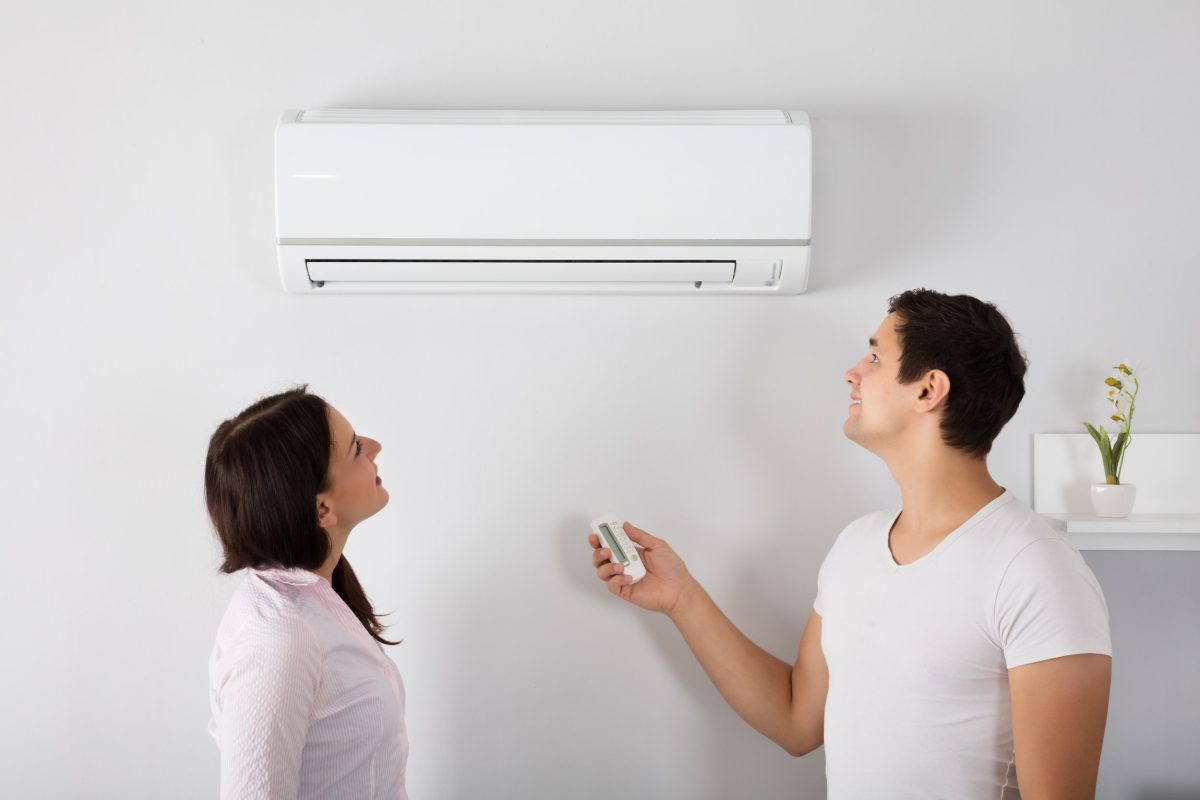
As the summer of 2025 brings soaring temperatures across the UK, the longstanding debate over office air conditioning has resurfaced. This phenomenon often leads to discomfort for many female employees, who commonly feel colder than their male counterparts. The temperature settings in workplaces, particularly during a British summer, have become a focal point in the ongoing discussion about gender differences in thermal comfort.
Despite individual preferences, most office environments have a predetermined thermostat setting, which often aligns with male comfort levels. This situation raises concerns, as it may inadvertently disadvantage women in the workplace.
Why Women Prefer Warmer Temperatures
There are several scientific reasons behind why women typically prefer higher temperatures than men. One significant factor is body composition. Women generally have less muscle mass than men, and muscle tissue plays a crucial role in generating heat through metabolism. According to Dr. Boris Kingma, a thermal physiologist at the Netherlands Organisation for Applied Scientific Research, “A gram of muscle from a man has the same metabolic rate as a gram from a woman. But men have more muscle.”
This difference in muscle mass means that men naturally produce more heat, which can lead to discomfort for women when the thermostat is set too low. Additionally, women often have a smaller body size, which affects heat retention. Smaller objects tend to have a higher surface area relative to their volume, leading to greater heat loss. Dr. Kingma describes this as a “double whammy,” where women lose heat more rapidly in colder environments.
The Influence of Office Fashion
Another contributing factor to women’s discomfort in air-conditioned offices is the style of clothing that is often worn in professional settings. Women’s fashion tends to be more conducive to cooler temperatures, especially during the summer months. Many women opt for lighter, more breathable fabrics, such as strappy tops and dresses, to cope with hot commutes. However, these choices can leave them shivering in an air-conditioned office set to a brisk 19°C.
Dr. Matt Maley, a physiologist at Loughborough University, notes that laboratory studies indicate women generally require temperatures one to two degrees higher than men to feel “thermally comfortable.” The stark contrast between traditional office attire for men, often designed for warmth, and the more revealing styles favored by women can exacerbate this issue.
This discrepancy in temperature preferences also reflects broader societal trends. The standard unit for measuring clothing warmth, known as the “clo unit,” was historically based on what a man would wear—typically a three-piece suit. Dr. Maley emphasizes that this expectation does not account for the attire women wear in contemporary workplaces, making their discomfort understandable.
As workplaces evolve, some men are beginning to adopt more casual styles, such as short-sleeved shirts and even shorts. This shift can potentially influence thermostat settings, as increased skin exposure may lead to a collective willingness to raise the temperature slightly.
The ongoing air conditioning debate highlights the need for greater awareness of gender differences in thermal comfort within workplace environments. Understanding these factors can lead to more inclusive and comfortable office settings for all employees, regardless of gender.
Ultimately, as summer heats up, addressing the temperature divide in workplaces may help foster a more equitable environment where everyone can thrive.













Belfast Gears Up for Vibrant St Patrick’s Day Parade on March 17

Cuba Faces Nationwide Blackout Amid Deepening Energy Crisis

Wirral Council to Restructure Leadership, Cutting Two Top Roles

Rethinking Resistance Training: Key Insights from US Experts

EU Membership on the Horizon: What It Means for Citizens

Ukrainian Drone Swarms Strike Moscow Region for Second Day

Henley Launches Innovative Initiative to Boost Local Economy

Court Ruling Allows Pandemic Tax Refund Claims Until 2026

Sean Penn’s Absence at 2026 Oscars Sparks Discussion

Coronation Street’s Shocking Murder Twist Reveals Family Secrets

Andrew Pierce Confirms Departure from ITV’s Good Morning Britain

Katie Price Faces New Health Concerns After Cancer Symptoms Resurface

Gyles Brandreth Shares Grandson’s Cancer Battle and Recovery

Sue Radford Reveals Weight Loss Journey, Shedding 12–13 kg

Kate Garraway Sells £2 Million Home Amid Financial Struggles

Jordan Brook Faces Health Crisis in Hospital as Sophie Kasaei Stays Away

EastEnders’ Nicola Mitchell Faces Unexpected Pregnancy Crisis

Reddit Study Reveals Distinctions Between Lurkers and Power Users
-
 World8 months ago
Coronation Street’s Shocking Murder Twist Reveals Family Secrets
-
 Entertainment8 months ago
Andrew Pierce Confirms Departure from ITV’s Good Morning Britain
-
 Health11 months ago
Katie Price Faces New Health Concerns After Cancer Symptoms Resurface
-
 Health6 months ago
Gyles Brandreth Shares Grandson’s Cancer Battle and Recovery
-
 Health6 months ago
Sue Radford Reveals Weight Loss Journey, Shedding 12–13 kg
-
 Entertainment1 year ago
Kate Garraway Sells £2 Million Home Amid Financial Struggles
-
 Entertainment5 months ago
Jordan Brook Faces Health Crisis in Hospital as Sophie Kasaei Stays Away
-
 World9 months ago
EastEnders’ Nicola Mitchell Faces Unexpected Pregnancy Crisis
-
 Science8 months ago
Reddit Study Reveals Distinctions Between Lurkers and Power Users
-

 World9 months ago
Mother Charged After Son, 9, Killed in Tragic Incident in Italy
-

 Entertainment11 months ago
Ann Ming Reflects on ITV’s ‘I Fought the Law’ Drama
-

 World9 months ago
Bailey Announces Heartbreaking Split from Rebecca After Reunion