
Politics
West Midlands Police Chief Resigns: Calls for Accountability Grow

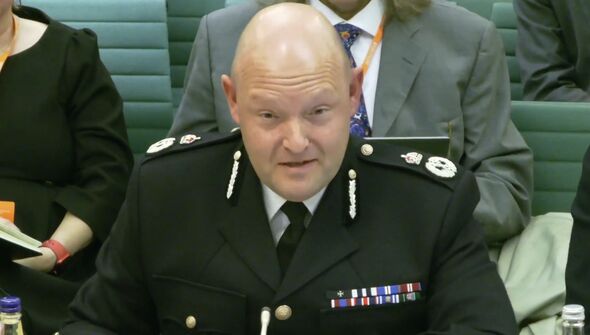
The resignation of Craig Guildford from his position as Chief Constable of West Midlands Police has sparked significant outrage and calls for accountability regarding the actions of Simon Foster, the Police and Crime Commissioner (PCC) for the region. Foster, who earns £101,900 a year funded by taxpayers, held the authority to terminate Guildford’s employment but instead allowed him to resign on his own terms.
Critics argue that Foster’s inaction reflects poorly on his leadership, particularly given the circumstances surrounding Guildford’s departure. The former chief faced intense scrutiny for his role in the controversial decision to ban fans of the Israeli football club Maccabi Tel Aviv from attending a match at Villa Park in November 2023, a ban justified by what has been described as exaggerated intelligence reports. The fallout from this decision led to a significant erosion of public confidence in the police force.
Foster’s reluctance to act decisively has raised questions about his commitment to public accountability. After allowing Guildford to step down without immediate consequences, the PCC publicly praised him, stating that he had “acted with honour and in the best interests of West Midlands Police.” This statement has drawn widespread criticism, especially in light of a preliminary review by the policing watchdog that identified “confirmation bias” influencing the police’s decision-making process.
In a separate investigation conducted by His Majesty’s Chief Inspector of Constabulary, Sir Andy Cooke, several inaccuracies in West Midlands Police’s reporting were highlighted. This report further underscored the failures in the intelligence that led to the banning of Maccabi Tel Aviv supporters, raising concerns about the integrity of policing in the region.
Foster’s decision to avoid immediate dismissal of Guildford has not only damaged the reputation of West Midlands Police but has also contributed to a growing sense of vulnerability within the Jewish community. As antisemitism rises, critics contend that Foster’s actions—or lack thereof—signal a troubling disregard for the concerns of Jewish individuals, suggesting that their needs may be overlooked by those in power.
The PCC’s role is intended to serve as a safeguard for public trust, yet Foster’s handling of this situation has been described as risk-averse and ineffective. With the police’s credibility increasingly questioned, the failure to act decisively raises serious concerns about the PCC’s authority and effectiveness.
As public confidence in policing continues to falter, many are now calling for Foster to consider his own position. The expectation is that a leader in his role should demonstrate the courage to uphold accountability, especially in the face of significant failures. By allowing Guildford to choose his own exit, Foster has been accused of neglecting his responsibilities and failing the public he is meant to serve.
In light of these developments, the conversation surrounding accountability within police leadership is more urgent than ever. The implications of this situation extend beyond individual roles; they touch upon the broader issues of trust and integrity within law enforcement. The public deserves a PCC who prioritizes accountability and the safeguarding of all communities, particularly in challenging times.













Belfast Gears Up for Vibrant St Patrick’s Day Parade on March 17

Cuba Faces Nationwide Blackout Amid Deepening Energy Crisis

Wirral Council to Restructure Leadership, Cutting Two Top Roles

Rethinking Resistance Training: Key Insights from US Experts

EU Membership on the Horizon: What It Means for Citizens

Ukrainian Drone Swarms Strike Moscow Region for Second Day

Henley Launches Innovative Initiative to Boost Local Economy

Court Ruling Allows Pandemic Tax Refund Claims Until 2026

Sean Penn’s Absence at 2026 Oscars Sparks Discussion

Coronation Street’s Shocking Murder Twist Reveals Family Secrets

Andrew Pierce Confirms Departure from ITV’s Good Morning Britain

Katie Price Faces New Health Concerns After Cancer Symptoms Resurface

Sue Radford Reveals Weight Loss Journey, Shedding 12–13 kg

Kate Garraway Sells £2 Million Home Amid Financial Struggles

Jordan Brook Faces Health Crisis in Hospital as Sophie Kasaei Stays Away

EastEnders’ Nicola Mitchell Faces Unexpected Pregnancy Crisis

Bailey Announces Heartbreaking Split from Rebecca After Reunion

Ann Ming Reflects on ITV’s ‘I Fought the Law’ Drama
-
 World4 months ago
Coronation Street’s Shocking Murder Twist Reveals Family Secrets
-
 Entertainment4 months ago
Andrew Pierce Confirms Departure from ITV’s Good Morning Britain
-
 Health7 months ago
Katie Price Faces New Health Concerns After Cancer Symptoms Resurface
-
 Health2 months ago
Sue Radford Reveals Weight Loss Journey, Shedding 12–13 kg
-
 Entertainment8 months ago
Kate Garraway Sells £2 Million Home Amid Financial Struggles
-
 Entertainment3 weeks ago
Jordan Brook Faces Health Crisis in Hospital as Sophie Kasaei Stays Away
-
 World5 months ago
EastEnders’ Nicola Mitchell Faces Unexpected Pregnancy Crisis
-
 World5 months ago
Bailey Announces Heartbreaking Split from Rebecca After Reunion
-
 Entertainment7 months ago
Ann Ming Reflects on ITV’s ‘I Fought the Law’ Drama
-

 Entertainment2 months ago
Selena Gomez’s Name Linked to Epstein: Examining the Claims
-

 Health7 months ago
TOWIE Stars Sophie Kasaei and Jordan Brook Pursue Fertility Treatment
-

 Health7 months ago
Fiona Phillips’ Husband Shares Heartbreaking Update on Her Health