
Politics
US Condemns Russia’s Escalation in Ukraine Amid Peace Negotiations

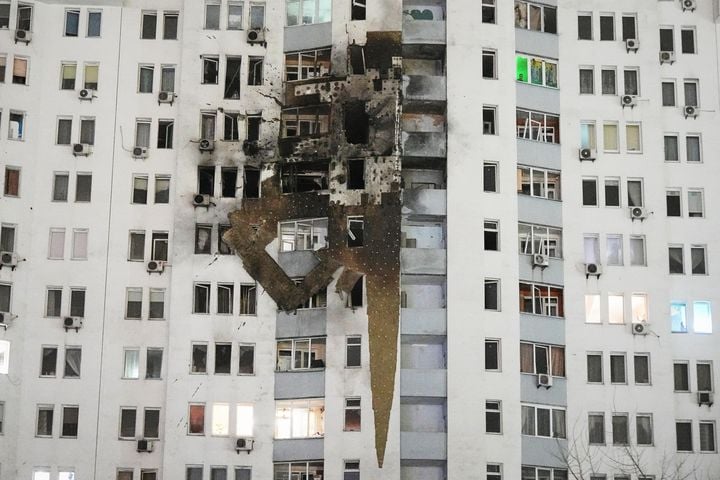
The United States has condemned Russia for what it describes as a “dangerous and inexplicable escalation” of its ongoing conflict in Ukraine. This statement follows a significant Russian bombardment that involved hundreds of drones and dozens of missiles, prompting Ukraine to call for an emergency meeting of the United Nations Security Council.
During the emergency session, US Deputy Ambassador to the UN Tammy Bruce highlighted the recent launch of a nuclear-capable Oreshnik ballistic missile near Ukraine’s border with Poland, a NATO ally. Bruce expressed deep concern over the “staggering number of casualties” resulting from the conflict and condemned Russia’s increasing attacks on energy and infrastructure.
On March 15, 2024, Russia executed a large-scale attack that utilized the Oreshnik missile for only the second time, signaling a clear warning to Ukraine and its NATO partners. This escalation comes shortly after Ukraine and its allies reported progress in discussions aimed at formulating a defensive strategy against further aggression from Moscow, should a US-led peace agreement be established.
The timing of the bombardment coincides with a deterioration in relations between Moscow and Washington, particularly following Russia’s condemnation of the US seizure of an oil tanker in the North Atlantic. Additionally, US President Donald Trump has indicated support for a new sanctions package designed to economically impact Russia.
European leaders have denounced the use of the Oreshnik missile as “escalatory and unacceptable.” Bruce reiterated this sentiment during the Security Council meeting, stating, “At a moment of tremendous potential, due only to President Trump’s unparalleled commitment to peace around the world, both sides should be seeking ways to de-escalate. Yet Russia’s action risks expanding and intensifying the war.”
In response to these developments, Russia’s UN Ambassador Vassily Nebenzia attributed the diplomatic stalemate to Ukrainian President Volodymyr Zelensky. He asserted that military solutions would continue until Zelensky agrees to “realistic conditions for negotiations.” Nebenzia warned that each day without a resolution would worsen the conditions for Ukraine.
Meanwhile, Ukraine’s UN Ambassador Andriy Melnyk countered that Russia is more vulnerable now than at any point since the beginning of the full-scale invasion in February 2022. He pointed to a slowing economy and declining oil revenues as indicators of Russia’s instability, stating, “Russia wants to sell to this council and the whole UN family the impression that it is invincible, but this is another illusion.”
The ongoing conflict has led to widespread devastation, with civilian casualties mounting as attacks on residential areas continue. A recent strike in Kryvyi Rih left a residential building engulfed in flames, underscoring the humanitarian crisis stemming from the war.
As the situation unfolds, the international community watches closely, hoping for a resolution that could lead to lasting peace in the region. The escalation of hostilities raises significant concerns about the potential for further conflict, and the need for diplomatic engagement is more pressing than ever.








Belfast Gears Up for Vibrant St Patrick’s Day Parade on March 17

Cuba Faces Nationwide Blackout Amid Deepening Energy Crisis

Wirral Council to Restructure Leadership, Cutting Two Top Roles

Rethinking Resistance Training: Key Insights from US Experts

EU Membership on the Horizon: What It Means for Citizens

Ukrainian Drone Swarms Strike Moscow Region for Second Day

Henley Launches Innovative Initiative to Boost Local Economy

Court Ruling Allows Pandemic Tax Refund Claims Until 2026

Sean Penn’s Absence at 2026 Oscars Sparks Discussion

Coronation Street’s Shocking Murder Twist Reveals Family Secrets

Andrew Pierce Confirms Departure from ITV’s Good Morning Britain

Katie Price Faces New Health Concerns After Cancer Symptoms Resurface

Sue Radford Reveals Weight Loss Journey, Shedding 12–13 kg

Kate Garraway Sells £2 Million Home Amid Financial Struggles

Jordan Brook Faces Health Crisis in Hospital as Sophie Kasaei Stays Away

EastEnders’ Nicola Mitchell Faces Unexpected Pregnancy Crisis

Bailey Announces Heartbreaking Split from Rebecca After Reunion

Ann Ming Reflects on ITV’s ‘I Fought the Law’ Drama
-
 World4 months ago
Coronation Street’s Shocking Murder Twist Reveals Family Secrets
-
 Entertainment4 months ago
Andrew Pierce Confirms Departure from ITV’s Good Morning Britain
-
 Health7 months ago
Katie Price Faces New Health Concerns After Cancer Symptoms Resurface
-
 Health2 months ago
Sue Radford Reveals Weight Loss Journey, Shedding 12–13 kg
-
 Entertainment8 months ago
Kate Garraway Sells £2 Million Home Amid Financial Struggles
-
 Entertainment3 weeks ago
Jordan Brook Faces Health Crisis in Hospital as Sophie Kasaei Stays Away
-
 World5 months ago
EastEnders’ Nicola Mitchell Faces Unexpected Pregnancy Crisis
-
 World5 months ago
Bailey Announces Heartbreaking Split from Rebecca After Reunion
-
 Entertainment7 months ago
Ann Ming Reflects on ITV’s ‘I Fought the Law’ Drama
-

 Entertainment2 months ago
Selena Gomez’s Name Linked to Epstein: Examining the Claims
-

 Health7 months ago
TOWIE Stars Sophie Kasaei and Jordan Brook Pursue Fertility Treatment
-

 Health7 months ago
Fiona Phillips’ Husband Shares Heartbreaking Update on Her Health