
Politics
Ukrainian Skeleton Pilot Banned from Olympics Over Helmet Dispute

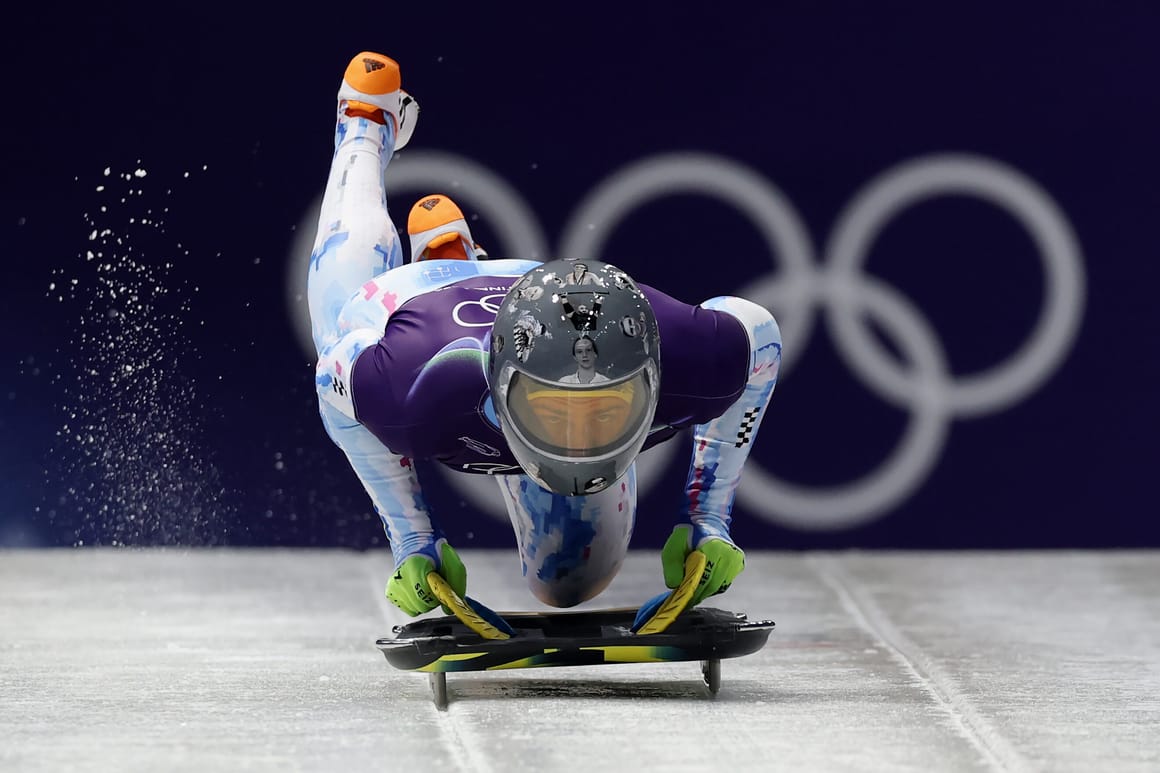
Ukrainian skeleton pilot Vladyslav Heraskevych will not compete in the upcoming Winter Olympics in Milano Cortina after the International Olympic Committee (IOC) revoked his accreditation. This decision came on the day Heraskevych was set to race, following his refusal to adhere to IOC regulations regarding athletes’ self-expression. The athlete intended to wear a helmet featuring portraits of Ukrainian athletes who have died as a result of the ongoing conflict with Russia.
The IOC had proposed a compromise, suggesting that Heraskevych wear a black armband instead of the helmet. However, he declined this offer, leading the committee to withdraw his accreditation. In a statement, the IOC expressed regret over the situation, highlighting that they had engaged in multiple discussions with Heraskevych, including a meeting earlier that day with IOC President Kirsty Coventry.
“The essence of this case is not about the message; it is about where he wanted to express it,” the IOC stated. They emphasized their desire for Heraskevych to participate in the Games while respecting his wish to honor his fallen compatriots. During training runs, Heraskevych was allowed to display his helmet, and the IOC offered him the chance to show it in the mixed zone right after his race.
Despite these options, Heraskevych insisted on an apology from the IOC, asserting that the organization’s pressure was unwarranted. He, along with the Ukrainian Olympic Committee, argued that the helmet did not breach any rules. On social media, he said, “I never wanted a scandal with the IOC. I did not create it. The IOC created it with its special interpretation of the rules, which many people consider discriminatory.”
The incident highlights the ongoing tensions surrounding the representation of athletes from Ukraine, particularly in light of the war with Russia, which has profoundly impacted the nation’s sports community. The IOC’s stance on self-expression has come under scrutiny, prompting discussions about the balance between regulations and personal expression in international sporting events.
As the Winter Olympics approach, the focus will be on how similar issues are managed and whether they will influence the experiences of athletes competing under the banner of their nations.











Belfast Gears Up for Vibrant St Patrick’s Day Parade on March 17

Cuba Faces Nationwide Blackout Amid Deepening Energy Crisis

Wirral Council to Restructure Leadership, Cutting Two Top Roles

Rethinking Resistance Training: Key Insights from US Experts

EU Membership on the Horizon: What It Means for Citizens

Ukrainian Drone Swarms Strike Moscow Region for Second Day

Henley Launches Innovative Initiative to Boost Local Economy

Court Ruling Allows Pandemic Tax Refund Claims Until 2026

Sean Penn’s Absence at 2026 Oscars Sparks Discussion

Coronation Street’s Shocking Murder Twist Reveals Family Secrets

Andrew Pierce Confirms Departure from ITV’s Good Morning Britain

Katie Price Faces New Health Concerns After Cancer Symptoms Resurface

Sue Radford Reveals Weight Loss Journey, Shedding 12–13 kg

Kate Garraway Sells £2 Million Home Amid Financial Struggles

Jordan Brook Faces Health Crisis in Hospital as Sophie Kasaei Stays Away

EastEnders’ Nicola Mitchell Faces Unexpected Pregnancy Crisis

Bailey Announces Heartbreaking Split from Rebecca After Reunion

Ann Ming Reflects on ITV’s ‘I Fought the Law’ Drama
-
 World4 months ago
Coronation Street’s Shocking Murder Twist Reveals Family Secrets
-
 Entertainment4 months ago
Andrew Pierce Confirms Departure from ITV’s Good Morning Britain
-
 Health7 months ago
Katie Price Faces New Health Concerns After Cancer Symptoms Resurface
-
 Health3 months ago
Sue Radford Reveals Weight Loss Journey, Shedding 12–13 kg
-
 Entertainment8 months ago
Kate Garraway Sells £2 Million Home Amid Financial Struggles
-
 Entertainment4 weeks ago
Jordan Brook Faces Health Crisis in Hospital as Sophie Kasaei Stays Away
-
 World5 months ago
EastEnders’ Nicola Mitchell Faces Unexpected Pregnancy Crisis
-
 World5 months ago
Bailey Announces Heartbreaking Split from Rebecca After Reunion
-
 Entertainment7 months ago
Ann Ming Reflects on ITV’s ‘I Fought the Law’ Drama
-

 Entertainment2 months ago
Selena Gomez’s Name Linked to Epstein: Examining the Claims
-

 Health7 months ago
TOWIE Stars Sophie Kasaei and Jordan Brook Pursue Fertility Treatment
-

 Health8 months ago
Fiona Phillips’ Husband Shares Heartbreaking Update on Her Health