
Politics
UK Moves Closer to Using Frozen Russian Assets for Ukraine

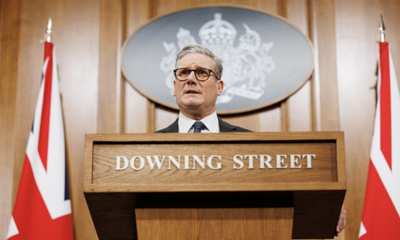
In a significant development, the United Kingdom appears to be inching closer to a deal that would allow Ukraine access to frozen Russian assets, potentially aiding its ongoing conflict against Russia. Following a meeting at Downing Street on Monday involving key leaders, including Volodymyr Zelenskyy, Keir Starmer, and Emmanuel Macron, officials expressed optimism about the negotiations that could lead to the release of substantial funds for Ukraine’s needs.
Downing Street reported “positive progress” from the discussions, which could result in a deal within days. British officials are hopeful that a resolution may be reached as early as next week, with speculation pointing to December 29, 2023, as a pivotal date for further talks with the Belgian Prime Minister, Alexander De Croo. This is particularly crucial as most of the frozen assets are managed by a Brussels-based financial institution, and Belgium has been cautious about potential repercussions from Russia.
Challenges in Achieving Peace
While there is momentum regarding the assets deal, broader efforts to establish peace remain fraught with difficulties. President Zelenskyy, who is visiting Rome today, reiterated Ukraine’s stance against territorial concessions, which were suggested by the Trump administration. His firm position highlights the complexities of negotiating a peace plan that aligns with Ukraine’s sovereignty and territorial integrity.
During his recent discussions, Zelenskyy indicated that Ukraine would be sending a revised counter-proposal to the peace plan back to Donald Trump. Observers expect this new proposal to diverge significantly from the original, particularly by rejecting any notion of ceding the Donbas region to Russia. The ongoing negotiations illustrate a stark contrast in priorities between Ukrainian leaders and the demands from the Trump administration.
The situation has led to a dichotomy in media coverage, with some outlets focusing on the positive developments regarding the asset deal, while others emphasize the challenges in achieving a sustainable peace agreement. The Daily Telegraph has underscored the disillusionment surrounding the peace talks, suggesting that Zelenskyy’s comments indicate a potential collapse of the Trump-led peace initiative.
Responses and International Dynamics
In the UK, the discourse surrounding national security has also intensified. Gwyn Jenkins, the First Sea Lord, has raised alarms about the possibility of Russia increasing its influence in the North Atlantic, citing an imbalance in defense spending. This warning reflects ongoing concerns about the UK’s military readiness in light of Russian aggression.
Across the Atlantic, Trump’s attitude toward European involvement in peace negotiations remains skeptical. His recent comments on social media criticized European leaders, characterizing them as ineffective in the peace process. In a meeting with U.S. officials, Yvette Cooper, the UK’s Foreign Secretary, emphasized the importance of a peace agreement that not only ends hostilities but also deters future Russian aggression. Topics discussed included various global issues, including the humanitarian situation in Gaza.
Meanwhile, negotiations regarding other conflicts, such as the situation in Gaza, continue to evolve. Reports indicate that Tony Blair has been excluded from consideration for a role in peace discussions due to objections from several Middle Eastern stakeholders, highlighting the complexities of diplomatic efforts in the region.
As the UK government prepares for further discussions on the use of frozen Russian assets, the dual focus on immediate financial relief for Ukraine and the long-term goal of achieving peace remains critical. Observers are keenly watching how these negotiations unfold in the coming days and weeks.
In summary, while the UK’s potential deal on frozen assets offers a glimmer of hope for Ukraine, the broader implications for peace negotiations underscore the challenging landscape of international diplomacy amid ongoing conflict.










Belfast Gears Up for Vibrant St Patrick’s Day Parade on March 17

Cuba Faces Nationwide Blackout Amid Deepening Energy Crisis

Wirral Council to Restructure Leadership, Cutting Two Top Roles

Rethinking Resistance Training: Key Insights from US Experts

EU Membership on the Horizon: What It Means for Citizens

Ukrainian Drone Swarms Strike Moscow Region for Second Day

Henley Launches Innovative Initiative to Boost Local Economy

Court Ruling Allows Pandemic Tax Refund Claims Until 2026

Sean Penn’s Absence at 2026 Oscars Sparks Discussion

Coronation Street’s Shocking Murder Twist Reveals Family Secrets

Andrew Pierce Confirms Departure from ITV’s Good Morning Britain

Katie Price Faces New Health Concerns After Cancer Symptoms Resurface

Sue Radford Reveals Weight Loss Journey, Shedding 12–13 kg

Kate Garraway Sells £2 Million Home Amid Financial Struggles

Jordan Brook Faces Health Crisis in Hospital as Sophie Kasaei Stays Away

EastEnders’ Nicola Mitchell Faces Unexpected Pregnancy Crisis

Bailey Announces Heartbreaking Split from Rebecca After Reunion

Ann Ming Reflects on ITV’s ‘I Fought the Law’ Drama
-
 World4 months ago
Coronation Street’s Shocking Murder Twist Reveals Family Secrets
-
 Entertainment4 months ago
Andrew Pierce Confirms Departure from ITV’s Good Morning Britain
-
 Health7 months ago
Katie Price Faces New Health Concerns After Cancer Symptoms Resurface
-
 Health3 months ago
Sue Radford Reveals Weight Loss Journey, Shedding 12–13 kg
-
 Entertainment8 months ago
Kate Garraway Sells £2 Million Home Amid Financial Struggles
-
 Entertainment4 weeks ago
Jordan Brook Faces Health Crisis in Hospital as Sophie Kasaei Stays Away
-
 World5 months ago
EastEnders’ Nicola Mitchell Faces Unexpected Pregnancy Crisis
-
 World5 months ago
Bailey Announces Heartbreaking Split from Rebecca After Reunion
-
 Entertainment7 months ago
Ann Ming Reflects on ITV’s ‘I Fought the Law’ Drama
-

 Entertainment2 months ago
Selena Gomez’s Name Linked to Epstein: Examining the Claims
-

 Health7 months ago
TOWIE Stars Sophie Kasaei and Jordan Brook Pursue Fertility Treatment
-

 Health8 months ago
Fiona Phillips’ Husband Shares Heartbreaking Update on Her Health