
Politics
UK Conscription Fears Rise Amid Tensions; Punishments Considered

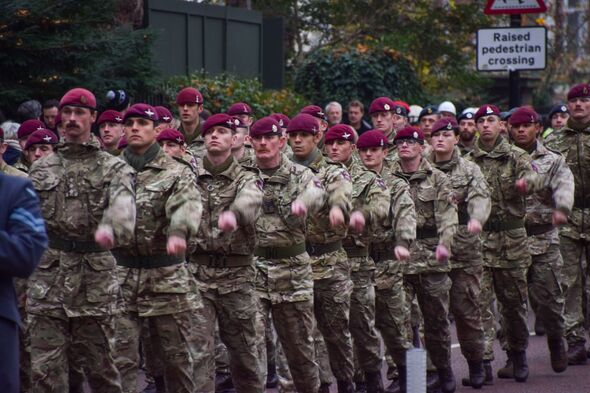
Concerns regarding the potential reintroduction of conscription in the United Kingdom are intensifying as tensions escalate between Russia and European nations. While compulsory military service has been implemented in the UK only twice in modern history—during the years of 1916 to 1920 and again from 1939 to 1960—experts suggest that current geopolitical conflicts could lead the government to reconsider this policy.
Sergey Karaganov, the head of Russia’s Council for Foreign and Defense Policy, recently warned that a defeat for Russia could result in catastrophic consequences for Europe. Speaking to Tucker Carlson, he stated, “If Russia comes ever close to a defeat, that would mean that Russia now would use nuclear weapons and Europe would be finished physically.” This stark warning underscores the seriousness of the situation, as he urged that Russia would “have to punish Europe severely” for its support of Ukraine.
In light of these developments, discussions around the implications for British citizens who refuse military service have emerged. Historian and author David Swift shared insights with Express reporter Christopher Sharp, indicating that the default punishment for such refusal may not necessarily be imprisonment. Swift emphasized that practical considerations, such as a lack of prison capacity and difficulties in enforcement, could lead to alternative penalties.
He elaborated, “I imagine it would be fines rather than imprisonment or anything like that.” Swift pointed out that a newly introduced conscription policy would likely focus on monetary incentives rather than punitive measures. This perspective aligns with practices observed in other countries.
In Greece, for instance, individuals who decline military service can face fines around €6,000 (approximately £5,213), although discussions have arisen about potentially abolishing this penalty. Similarly, in Switzerland, those who refuse military service are subject to an additional 3% tax during their mandatory training period. Swift noted, “This way, the fines are severe enough to present a genuine disincentive not to serve, but not as severe as imprisonment.”
As public sentiment evolves regarding military service in the UK, the government may face increasing pressure to clarify its stance on conscription and the associated penalties for refusal. The potential return of compulsory military service raises significant questions about the balance between national security and individual rights, as well as the logistical challenges of enforcing such a policy in a contemporary context.
The situation remains fluid, and as tensions continue to grow, the implications for British citizens could become clearer in the coming months.










Belfast Gears Up for Vibrant St Patrick’s Day Parade on March 17

Cuba Faces Nationwide Blackout Amid Deepening Energy Crisis

Wirral Council to Restructure Leadership, Cutting Two Top Roles

Rethinking Resistance Training: Key Insights from US Experts

EU Membership on the Horizon: What It Means for Citizens

Ukrainian Drone Swarms Strike Moscow Region for Second Day

Henley Launches Innovative Initiative to Boost Local Economy

Court Ruling Allows Pandemic Tax Refund Claims Until 2026

Sean Penn’s Absence at 2026 Oscars Sparks Discussion

Coronation Street’s Shocking Murder Twist Reveals Family Secrets

Andrew Pierce Confirms Departure from ITV’s Good Morning Britain

Katie Price Faces New Health Concerns After Cancer Symptoms Resurface

Gyles Brandreth Shares Grandson’s Cancer Battle and Recovery

Sue Radford Reveals Weight Loss Journey, Shedding 12–13 kg

Kate Garraway Sells £2 Million Home Amid Financial Struggles

Jordan Brook Faces Health Crisis in Hospital as Sophie Kasaei Stays Away

EastEnders’ Nicola Mitchell Faces Unexpected Pregnancy Crisis

Bailey Announces Heartbreaking Split from Rebecca After Reunion
-
 World5 months ago
Coronation Street’s Shocking Murder Twist Reveals Family Secrets
-
 Entertainment5 months ago
Andrew Pierce Confirms Departure from ITV’s Good Morning Britain
-
 Health8 months ago
Katie Price Faces New Health Concerns After Cancer Symptoms Resurface
-
 Health3 months ago
Gyles Brandreth Shares Grandson’s Cancer Battle and Recovery
-
 Health3 months ago
Sue Radford Reveals Weight Loss Journey, Shedding 12–13 kg
-
 Entertainment9 months ago
Kate Garraway Sells £2 Million Home Amid Financial Struggles
-
 Entertainment2 months ago
Jordan Brook Faces Health Crisis in Hospital as Sophie Kasaei Stays Away
-
 World6 months ago
EastEnders’ Nicola Mitchell Faces Unexpected Pregnancy Crisis
-
 World6 months ago
Bailey Announces Heartbreaking Split from Rebecca After Reunion
-

 Entertainment8 months ago
Ann Ming Reflects on ITV’s ‘I Fought the Law’ Drama
-

 Entertainment3 months ago
Selena Gomez’s Name Linked to Epstein: Examining the Claims
-

 Health8 months ago
TOWIE Stars Sophie Kasaei and Jordan Brook Pursue Fertility Treatment