
Politics
Starmer Faces Criticism for Vulnerability of UK Bases to Iran

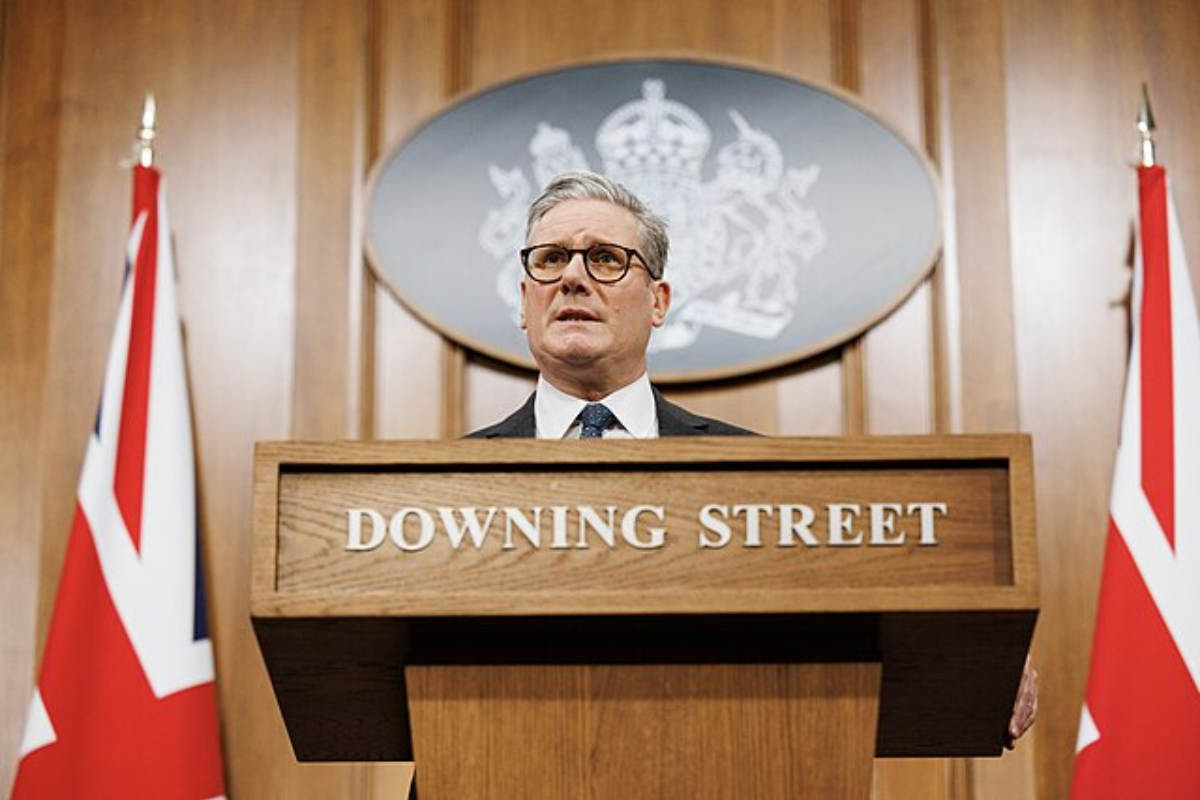
Keir Starmer is facing intensified scrutiny following accusations that his government has left UK military bases in Cyprus and Bahrain vulnerable to potential Iranian attacks. As regional tensions escalate and threats to British personnel increase, both allies and opponents are questioning the prime minister’s response to Iran’s aggressive actions across the Middle East.
The criticism stems from the government’s reliance on diplomatic protests rather than implementing visible military measures or sanctions. As Iran’s involvement in destabilising the region becomes more pronounced, the absence of decisive action has raised alarms. Iran is widely accused by Western governments of supplying weapons and funding to militant groups, while simultaneously suppressing dissent at home. In this context, missile activity near British military assets is perceived as a direct challenge to the UK’s authority.
Concerns Over Starmer’s Response to Iranian Aggression
The latest wave of criticism was triggered by a series of Iranian attacks targeting facilities used by Western forces in the Middle East, notably those in Cyprus and Bahrain where British troops are stationed. While operational responses are typically not disclosed, the government’s political stance has come under fire. Critics argue that Starmer’s cautious approach has crossed into timidity, as Downing Street opted for a statement from Hamish Falconer, the Middle East minister. His comments, while firm, lacked substance, stating that Iran’s “reckless actions are threatening the security of the region and the safety of British nationals and must stop.” For many, this phrase sounded more like a plea than a definitive call to action.
Inside government, some allies defend Starmer’s strategy as a deliberate choice for calm leadership, avoiding any theatrical escalation. Yet, public confidence in this approach appears shaky. During a press conference addressing the crisis, Starmer expressed concerns for British citizens, describing them as “worried sick.” Observers noted that his tone seemed more anxious than assertive. His assurance that “we will do everything we can to protect British lives, uphold British values and safeguard the national interest” has been interpreted through a more critical lens than he might have intended.
Supporters argue that the government is coordinating closely with international allies and keeping sensitive options private. Detractors, however, see a leader who relies on vague rhetoric while other nations take more concrete actions.
International Response and Perception of Weakness
The reality is that the UK is not the only Western power engaged in this situation. French, Spanish, Dutch, and Greek naval forces have become increasingly visible in the eastern Mediterranean, actively intercepting threats and reassuring regional partners. Critics highlight that it is these nations’ flags, rather than the Union Jack, that now symbolize a more robust response to Iranian aggression.
Regional partners, including officials from Bahrain, Jordan, and the United Arab Emirates, reportedly feel dissatisfied with what they perceive as a lackluster British response. While these governments publicly maintain a careful stance, critics suggest that they privately question Starmer’s commitment to defending shared interests.
The political implications of this perception are significant. While criticism from familiar opponents such as Kemi Badenoch and Nigel Farage may be expected, concerns raised by traditional security partners carry more weight. Should these allies start viewing Britain as a passive observer rather than an active participant in regional security, it could have serious ramifications for the UK’s standing.
Starmer’s office responds by arguing that he is not focused on grandstanding and that a visible policy of restraint does not equate to inaction by military planners. Nevertheless, the optics remain critical. When British servicemen and women are at risk, a response that amounts to a stern press release can fuel perceptions of weakness.
The prime minister’s commitment to a sober, rules-based approach may resonate with parts of the electorate. However, as Iran continues to test boundaries and allies closely monitor the situation, the pressing question for Keir Starmer remains whether careful diplomacy will suffice to ensure the security of UK bases and bolster Britain’s global standing.









Belfast Gears Up for Vibrant St Patrick’s Day Parade on March 17

Cuba Faces Nationwide Blackout Amid Deepening Energy Crisis

Wirral Council to Restructure Leadership, Cutting Two Top Roles

Rethinking Resistance Training: Key Insights from US Experts

EU Membership on the Horizon: What It Means for Citizens

Ukrainian Drone Swarms Strike Moscow Region for Second Day

Henley Launches Innovative Initiative to Boost Local Economy

Court Ruling Allows Pandemic Tax Refund Claims Until 2026

Sean Penn’s Absence at 2026 Oscars Sparks Discussion

Coronation Street’s Shocking Murder Twist Reveals Family Secrets

Andrew Pierce Confirms Departure from ITV’s Good Morning Britain

Katie Price Faces New Health Concerns After Cancer Symptoms Resurface

Sue Radford Reveals Weight Loss Journey, Shedding 12–13 kg

Kate Garraway Sells £2 Million Home Amid Financial Struggles

Jordan Brook Faces Health Crisis in Hospital as Sophie Kasaei Stays Away

EastEnders’ Nicola Mitchell Faces Unexpected Pregnancy Crisis

Bailey Announces Heartbreaking Split from Rebecca After Reunion

Ann Ming Reflects on ITV’s ‘I Fought the Law’ Drama
-
 World4 months ago
Coronation Street’s Shocking Murder Twist Reveals Family Secrets
-
 Entertainment4 months ago
Andrew Pierce Confirms Departure from ITV’s Good Morning Britain
-
 Health7 months ago
Katie Price Faces New Health Concerns After Cancer Symptoms Resurface
-
 Health2 months ago
Sue Radford Reveals Weight Loss Journey, Shedding 12–13 kg
-
 Entertainment8 months ago
Kate Garraway Sells £2 Million Home Amid Financial Struggles
-
 Entertainment2 weeks ago
Jordan Brook Faces Health Crisis in Hospital as Sophie Kasaei Stays Away
-
 World5 months ago
EastEnders’ Nicola Mitchell Faces Unexpected Pregnancy Crisis
-
 World4 months ago
Bailey Announces Heartbreaking Split from Rebecca After Reunion
-
 Entertainment7 months ago
Ann Ming Reflects on ITV’s ‘I Fought the Law’ Drama
-

 Entertainment2 months ago
Selena Gomez’s Name Linked to Epstein: Examining the Claims
-

 Health7 months ago
TOWIE Stars Sophie Kasaei and Jordan Brook Pursue Fertility Treatment
-

 Health7 months ago
Fiona Phillips’ Husband Shares Heartbreaking Update on Her Health