
Politics
Rachel Reeves Launches Youth Jobs Guarantee Amid High Unemployment

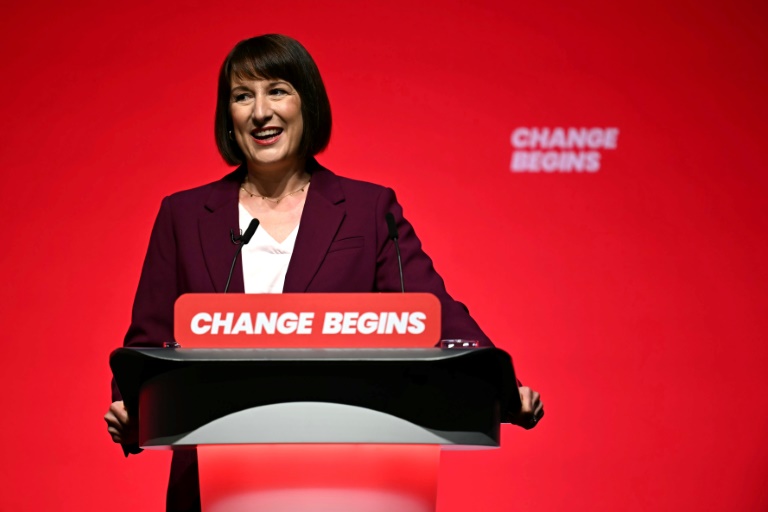
Youth unemployment in the United Kingdom remains a pressing issue, with approximately 948,000 individuals aged 16-24 classified as not in education, employment, or training (NEET) during the period of April to June 2025. In response to this challenge, Rachel Reeves, the Shadow Work and Pensions Secretary, has unveiled a new jobs guarantee aimed at supporting young people who have been out of work or education for over 18 months.
The proposed plan offers paid job placements to young individuals aged 18-24, with the stipulation that refusal of a placement without a valid reason could result in the withdrawal of benefits. Reeves describes the initiative as a pivotal strategy to eradicate long-term youth unemployment, framing it as an embodiment of fairness: a government providing opportunities while expecting effort in return.
While the plan is positioned as a solution, those working directly with young people express concerns about its effectiveness and the complexity of the challenges faced by NEET youth. Critics argue that youth unemployment is not merely a result of lack of motivation but often stems from deeper issues such as health problems, unstable housing, and financial insecurity. Recent studies indicate that one-third of NEET young people struggle with mental health issues, emphasizing the need for a supportive approach rather than punitive measures.
Concerns Over Support and Implementation
The jobs guarantee is central to Labour’s “Get Britain Working” initiative, which aims to re-engage young people before they become long-term NEET. Pat McFadden, the current Secretary of State for Work and Pensions, has stated that addressing youth unemployment is his top priority. However, previous efforts, including the 2009 Future Jobs Fund and the more recent Kickstart scheme, have had mixed results in providing sustainable job opportunities.
Laura-Jane Rawlings, founder and CEO of Youth Employment UK, has emphasized the necessity of recognizing the complexities in the lives of young people. She notes, “The young people who reach that 18-month point are likely to have complex barriers — health, disability, housing, care experience, or criminal justice issues.” Rawlings insists that the government must design the jobs guarantee to be supportive and comprehensive, rather than solely an ultimatum.
The timeline for intervention is critical; Rawlings points out that young individuals who remain NEET for just six months are already at risk of long-term emotional and economic damage. She argues for proactive measures that provide support well before the 18-month mark.
Balancing Opportunities and Economic Realities
In Tooting, Felicia Mattis-Rome, CEO of Business Launchpad, has witnessed firsthand the detrimental effects of sanction-based policies. Having worked as a case manager for the long-term unemployed, she warns that punitive measures often exacerbate existing challenges rather than motivate young people. “Sanctions tend to entrench disadvantage rather than solve it,” she states.
Mattis-Rome advocates for a jobs guarantee that offers genuine opportunities and flexible support tailored to individual circumstances. She expresses concern that penalizing young people for issues like childcare or transport could create additional barriers to employment. “If a young person can’t take a placement because of childcare, health, or transport issues, they shouldn’t be penalised,” she argues.
Both Rawlings and Mattis-Rome recognize the potential of the jobs guarantee to transform lives but stress that it must focus on understanding rather than compliance. They call for collaboration with employers to create meaningful roles for young people. Employers need to be supported in providing proper training and mentorship, which can help convert temporary placements into long-term career opportunities.
Despite the ambition behind Reeves’ plan, experts caution that its actual impact may be limited. Tom Richmond, director of the think tank EDSK, has criticized the initiative as merely a rebranding of existing schemes, suggesting that it may only benefit a small fraction of the youth currently in need.
As discussions about the youth jobs guarantee continue, the real measure of success will be the government’s ability to rebuild trust among young people, employers, and the state. “Hope and opportunity have to come first,” Rawlings concludes. “Pressure alone never gets results.” The effectiveness of this initiative will ultimately depend on its capacity to address the diverse needs of young people in Britain today.






Belfast Gears Up for Vibrant St Patrick’s Day Parade on March 17

Cuba Faces Nationwide Blackout Amid Deepening Energy Crisis

Wirral Council to Restructure Leadership, Cutting Two Top Roles

Rethinking Resistance Training: Key Insights from US Experts

EU Membership on the Horizon: What It Means for Citizens

Ukrainian Drone Swarms Strike Moscow Region for Second Day

Henley Launches Innovative Initiative to Boost Local Economy

Court Ruling Allows Pandemic Tax Refund Claims Until 2026

Sean Penn’s Absence at 2026 Oscars Sparks Discussion

Coronation Street’s Shocking Murder Twist Reveals Family Secrets

Andrew Pierce Confirms Departure from ITV’s Good Morning Britain

Katie Price Faces New Health Concerns After Cancer Symptoms Resurface

Gyles Brandreth Shares Grandson’s Cancer Battle and Recovery

Sue Radford Reveals Weight Loss Journey, Shedding 12–13 kg

Kate Garraway Sells £2 Million Home Amid Financial Struggles

Jordan Brook Faces Health Crisis in Hospital as Sophie Kasaei Stays Away

EastEnders’ Nicola Mitchell Faces Unexpected Pregnancy Crisis

Reddit Study Reveals Distinctions Between Lurkers and Power Users
-
 World9 months ago
Coronation Street’s Shocking Murder Twist Reveals Family Secrets
-
 Entertainment8 months ago
Andrew Pierce Confirms Departure from ITV’s Good Morning Britain
-
 Health12 months ago
Katie Price Faces New Health Concerns After Cancer Symptoms Resurface
-
 Health7 months ago
Gyles Brandreth Shares Grandson’s Cancer Battle and Recovery
-
 Health7 months ago
Sue Radford Reveals Weight Loss Journey, Shedding 12–13 kg
-
 Entertainment1 year ago
Kate Garraway Sells £2 Million Home Amid Financial Struggles
-
 Entertainment5 months ago
Jordan Brook Faces Health Crisis in Hospital as Sophie Kasaei Stays Away
-
 World10 months ago
EastEnders’ Nicola Mitchell Faces Unexpected Pregnancy Crisis
-
 Science8 months ago
Reddit Study Reveals Distinctions Between Lurkers and Power Users
-

 World9 months ago
Mother Charged After Son, 9, Killed in Tragic Incident in Italy
-

 Entertainment12 months ago
Ann Ming Reflects on ITV’s ‘I Fought the Law’ Drama
-

 World9 months ago
Bailey Announces Heartbreaking Split from Rebecca After Reunion