
Politics
MPs Alerted to Russian Cyber Threats via Messaging Apps

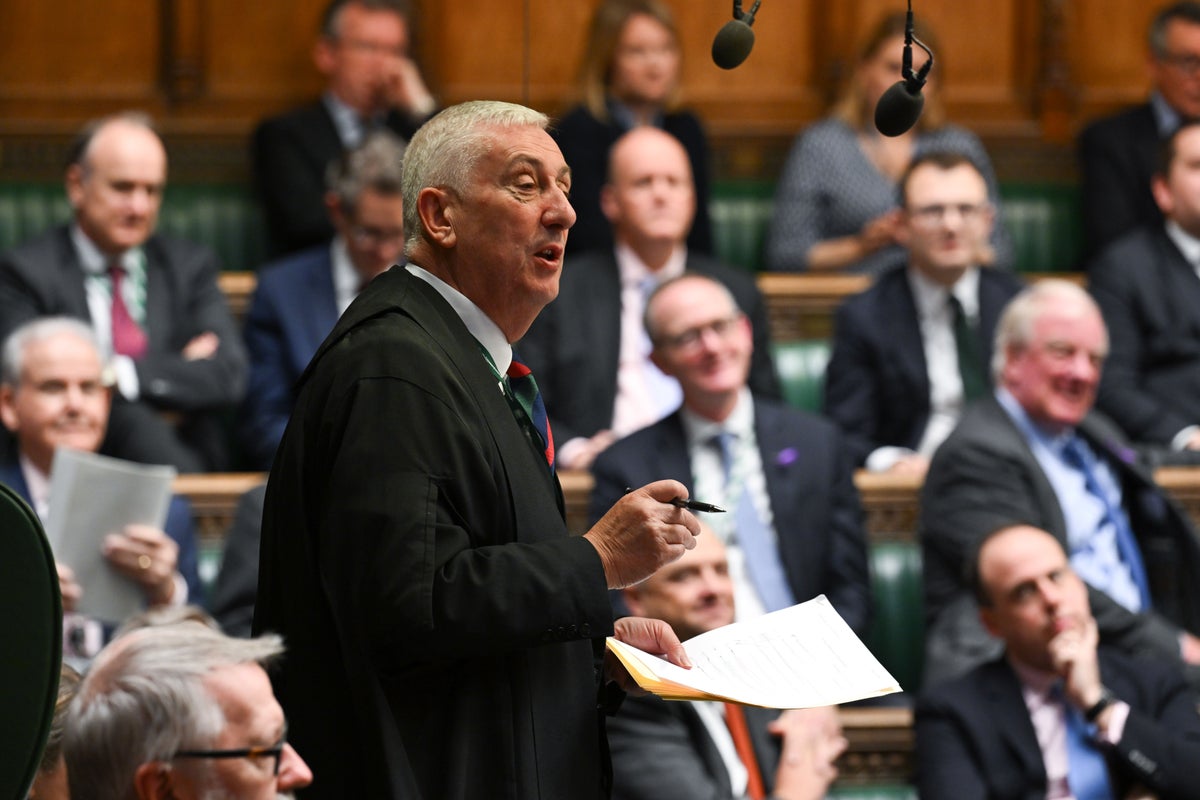
Members of Parliament (MPs) in the United Kingdom have received a warning regarding foreign attempts to target them through messaging applications, specifically WhatsApp. This caution, issued by Commons Speaker Sir Lindsay Hoyle, marks the second alert within a month, following previous concerns related to recruitment efforts linked to Chinese intelligence.
The Prime Minister’s official spokesperson emphasized that the threat posed by hostile state interference from Russia has been clearly articulated by various security agencies. The spokesperson added, “I think we have been very clear… about the threat posed by hostile state interference from Russia, and we’ve set that out explicitly many times.”
Government Response to Cyber Threats
The National Cyber Security Centre (NCSC) is actively collaborating with the government and parliament to address recent phishing attempts believed to be associated with Russian operatives. A government spokesperson explained that spear-phishing is a prevalent tactic that malicious actors utilize to gain access to sensitive information, online accounts, and devices.
In response to the increasing targeting of MPs via commercial messaging apps like Signal and WhatsApp, the NCSC has urged those at high risk to adhere to their security guidelines. They recommend signing up for cyber defense services to enhance personal protection against these threats.
The UK government recently announced plans to counter espionage threats, which include intelligence services providing security briefings for political parties. In addition, election candidates will receive guidance to help them recognize and report suspicious activities.
In a significant financial commitment, the security minister revealed that £170 million will be allocated to update the encrypted technology used by civil servants to protect sensitive information. Another £130 million will be invested in various projects aimed at bolstering police capabilities.
Recent Incidents and Broader Implications
Concerns about Russian activities escalated last month when a Russian spy vessel, Yantar, was reported to have targeted RAF pilots with lasers near Scotland’s northern coast. The Defence Minister, Al Carns, condemned the incident as a “highly dangerous and reckless attempt to disrupt our surveillance.” Although no injuries were reported, the event underscored the risks posed by foreign interference.
In addition to the Russian threats, MPs were cautioned about Chinese efforts to recruit them through lucrative job offers on LinkedIn. This development came in the wake of a contentious situation involving the Crown Prosecution Service, which unexpectedly dropped charges against two individuals, Christopher Cash and Christopher Berry, in a case linked to alleged espionage. The CPS stated that the evidence did not demonstrate a clear threat to national security from China at the time of the alleged offenses, leading to widespread outrage among MPs.
As the UK grapples with these security challenges, the emphasis remains on safeguarding its political figures and institutions from foreign interference, particularly as tensions with both Russia and China continue to rise. The proactive measures being implemented are crucial in addressing these evolving threats to national security.









Belfast Gears Up for Vibrant St Patrick’s Day Parade on March 17

Cuba Faces Nationwide Blackout Amid Deepening Energy Crisis

Wirral Council to Restructure Leadership, Cutting Two Top Roles

Rethinking Resistance Training: Key Insights from US Experts

EU Membership on the Horizon: What It Means for Citizens

Ukrainian Drone Swarms Strike Moscow Region for Second Day

Henley Launches Innovative Initiative to Boost Local Economy

Court Ruling Allows Pandemic Tax Refund Claims Until 2026

Sean Penn’s Absence at 2026 Oscars Sparks Discussion

Coronation Street’s Shocking Murder Twist Reveals Family Secrets

Andrew Pierce Confirms Departure from ITV’s Good Morning Britain

Katie Price Faces New Health Concerns After Cancer Symptoms Resurface

Sue Radford Reveals Weight Loss Journey, Shedding 12–13 kg

Kate Garraway Sells £2 Million Home Amid Financial Struggles

Jordan Brook Faces Health Crisis in Hospital as Sophie Kasaei Stays Away

EastEnders’ Nicola Mitchell Faces Unexpected Pregnancy Crisis

Bailey Announces Heartbreaking Split from Rebecca After Reunion

Ann Ming Reflects on ITV’s ‘I Fought the Law’ Drama
-
 World4 months ago
Coronation Street’s Shocking Murder Twist Reveals Family Secrets
-
 Entertainment4 months ago
Andrew Pierce Confirms Departure from ITV’s Good Morning Britain
-
 Health7 months ago
Katie Price Faces New Health Concerns After Cancer Symptoms Resurface
-
 Health2 months ago
Sue Radford Reveals Weight Loss Journey, Shedding 12–13 kg
-
 Entertainment8 months ago
Kate Garraway Sells £2 Million Home Amid Financial Struggles
-
 Entertainment2 weeks ago
Jordan Brook Faces Health Crisis in Hospital as Sophie Kasaei Stays Away
-
 World5 months ago
EastEnders’ Nicola Mitchell Faces Unexpected Pregnancy Crisis
-
 World4 months ago
Bailey Announces Heartbreaking Split from Rebecca After Reunion
-
 Entertainment7 months ago
Ann Ming Reflects on ITV’s ‘I Fought the Law’ Drama
-

 Entertainment2 months ago
Selena Gomez’s Name Linked to Epstein: Examining the Claims
-

 Health7 months ago
TOWIE Stars Sophie Kasaei and Jordan Brook Pursue Fertility Treatment
-

 Health7 months ago
Fiona Phillips’ Husband Shares Heartbreaking Update on Her Health