
Politics
Karnataka Approves Controversial River-Linking Project Amid Protests

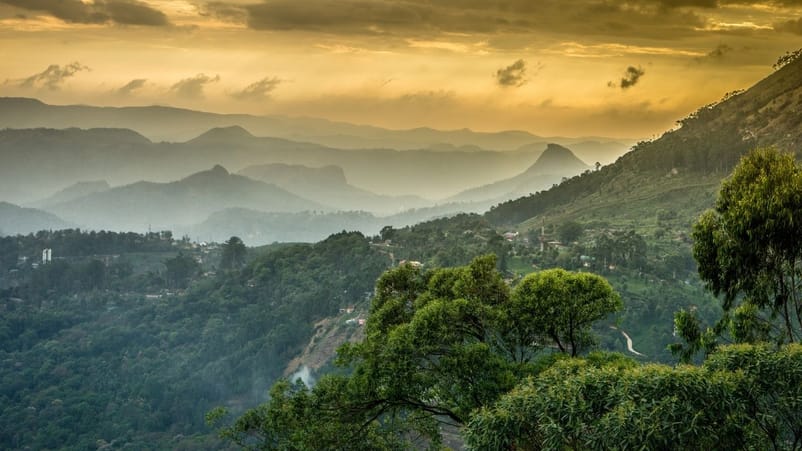
Karnataka’s Deputy Chief Minister DK Shivakumar announced that the state government has granted in-principle approval to prepare a Detailed Project Report (DPR) for the controversial Bedti–Varada river-linking project. This initiative aims to divert rivers through the ecologically sensitive region of the Western Ghats, despite ongoing protests and significant environmental concerns.
The announcement comes shortly after the Supreme Court established a 100-metre rule for the Aravalli range, prompting a widespread media frenzy. This timing has placed the ruling National Democratic Alliance (NDA) government under scrutiny, particularly as public sentiment has soured over its handling of air quality issues in the Delhi–NCR region. In response, Union Environment Minister Bhupender Yadav assured the public of a comprehensive ban on mining activities in the Aravalli area, attempting to quell the growing backlash.
Political dynamics are shifting as the Congress party, led by Jairam Ramesh, has seized the opportunity to present itself as a champion of environmental causes. However, the situation in Karnataka reveals a different reality. While the Congress criticizes the NDA for its environmental policies, it appears willing to overlook ecological concerns in favor of development within its own state.
Political Expediency vs. Environmental Concerns
The proposed river-linking project, which aims to divert the Bedti river to the Varada, has sparked significant opposition. Critics argue that the plan is ecologically reckless and economically unfeasible. The Bedti and Varada rivers, originating in the Western Ghats, serve crucial roles in maintaining local ecosystems. The project aims to supply water to the districts of Haveri, Gadag, and Raichur, yet environmentalists warn that diverting these rivers could lead to catastrophic ecological consequences.
As noted by conservation biologists and local community members, the project threatens over a thousand hectares of dense forest. The Bedti Conservation Reserve and the Shalmala Riparian Conservation Reserve are among the legally protected areas at risk. The disruption of these habitats could have far-reaching effects on wildlife and regional climate patterns, exacerbating issues related to water scarcity and biodiversity loss.
Moreover, the economic viability of river interlinking projects like this one is under scrutiny. Critics highlight that such projects often incur high costs and can create more problems than they solve. Independent studies suggest that claims of surplus water in the Bedti basin are inflated, making it unlikely to meet the long-term needs of the eastern plains.
Silence from Environmental Advocates
One of the more perplexing aspects of the current situation is the silence from environmental advocates who have previously been vocal about similar issues. The lack of national mobilization around the Bedti–Varada project raises questions about political alignments and the perceived significance of local issues. While some argue that the project is too local to warrant national attention, others suggest that the presence of a Congress government in Karnataka complicates matters for environmental activists.
The Congress party has historically struggled in this region, leading some to speculate that it may not gain politically from supporting local environmental resistance. Meanwhile, the BJP appears confident that voters will remain loyal regardless of ecological ramifications.
The implications of this project extend beyond immediate environmental concerns. The people of Uttara Kannada have already sacrificed vast areas of forest land for hydroelectric projects and other large-scale interventions. As the government continues to pursue further development, the ecological debt owed to the region remains staggering.
The controversy surrounding the Bedti–Varada river-linking project also highlights a past misstep by the Congress party. In the late 2000s, a Congress-led government dismissed the Gadgil Committee report, a scientifically robust framework for conserving the Western Ghats. The report classified critical regions demanding protection, yet the proposed project aligns squarely with areas needing the highest level of conservation.
In conclusion, as the debate over the Bedti–Varada project unfolds, both the Congress and NDA governments find their environmental commitments challenged. Moving forward, a shift towards sustainable solutions such as watershed restoration and equitable local water management may be necessary to balance developmental ambitions with ecological preservation. The true test of political sincerity lies in the ability to prioritize environmental health over short-term gains.











Belfast Gears Up for Vibrant St Patrick’s Day Parade on March 17

Cuba Faces Nationwide Blackout Amid Deepening Energy Crisis

Wirral Council to Restructure Leadership, Cutting Two Top Roles

Rethinking Resistance Training: Key Insights from US Experts

EU Membership on the Horizon: What It Means for Citizens

Ukrainian Drone Swarms Strike Moscow Region for Second Day

Henley Launches Innovative Initiative to Boost Local Economy

Court Ruling Allows Pandemic Tax Refund Claims Until 2026

Sean Penn’s Absence at 2026 Oscars Sparks Discussion

Coronation Street’s Shocking Murder Twist Reveals Family Secrets

Andrew Pierce Confirms Departure from ITV’s Good Morning Britain

Katie Price Faces New Health Concerns After Cancer Symptoms Resurface

Sue Radford Reveals Weight Loss Journey, Shedding 12–13 kg

Kate Garraway Sells £2 Million Home Amid Financial Struggles

Jordan Brook Faces Health Crisis in Hospital as Sophie Kasaei Stays Away

EastEnders’ Nicola Mitchell Faces Unexpected Pregnancy Crisis

Bailey Announces Heartbreaking Split from Rebecca After Reunion

Ann Ming Reflects on ITV’s ‘I Fought the Law’ Drama
-
 World4 months ago
Coronation Street’s Shocking Murder Twist Reveals Family Secrets
-
 Entertainment4 months ago
Andrew Pierce Confirms Departure from ITV’s Good Morning Britain
-
 Health7 months ago
Katie Price Faces New Health Concerns After Cancer Symptoms Resurface
-
 Health3 months ago
Sue Radford Reveals Weight Loss Journey, Shedding 12–13 kg
-
 Entertainment8 months ago
Kate Garraway Sells £2 Million Home Amid Financial Struggles
-
 Entertainment4 weeks ago
Jordan Brook Faces Health Crisis in Hospital as Sophie Kasaei Stays Away
-
 World5 months ago
EastEnders’ Nicola Mitchell Faces Unexpected Pregnancy Crisis
-
 World5 months ago
Bailey Announces Heartbreaking Split from Rebecca After Reunion
-
 Entertainment7 months ago
Ann Ming Reflects on ITV’s ‘I Fought the Law’ Drama
-

 Entertainment2 months ago
Selena Gomez’s Name Linked to Epstein: Examining the Claims
-

 Health7 months ago
TOWIE Stars Sophie Kasaei and Jordan Brook Pursue Fertility Treatment
-

 Health8 months ago
Fiona Phillips’ Husband Shares Heartbreaking Update on Her Health