
Politics
Charities Warn of Rising Violence and Threats Against Workers

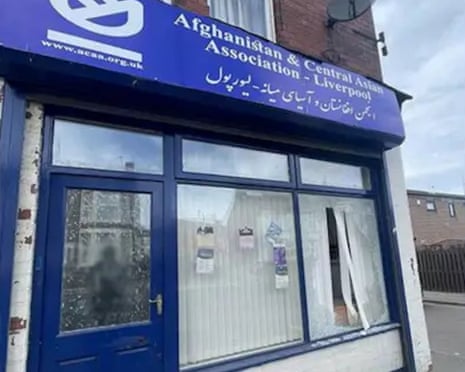
A significant rise in threats and violence has created a troubling “culture of fear” within UK charities that support women, refugees, and various faith communities. Mark Simms, the interim chair of the Charity Commission, expressed his concerns regarding the increasing hostility faced by charity staff, volunteers, and beneficiaries. This alarming trend, he noted, is becoming increasingly normalised, risking the erosion of fundamental civil values within British society.
As the Charity Commission releases new guidance aimed at protecting voluntary workers, it highlights the unacceptable personal risks that are now part of the charity landscape. Simms pointed out that numerous organisations have reported being targeted by extremists in light of the growing divisive political rhetoric surrounding immigration. Incidents of violence, vandalism, and the implementation of heightened security measures have become commonplace.
In his address at the Charity Commission’s annual public meeting, Simms remarked, “Over recent months, we’ve seen charity workers verbally and physically abused on the streets. We’ve heard of death threats and threats of sexual assault, and we’ve witnessed damage and vandalism done to charity offices.” He emphasised that the charities being targeted vary widely, serving women, refugees, young people, and the homeless, as well as being places of worship.
Simms highlighted a disturbing trend: the lack of widespread shock following these incidents. He noted, “If we accept as normal charity workers being abused on the street, their families threatened with violence, what will shock us?” He likened the gradual acceptance of such violence to the slow erosion of a shoreline, warning that society must remain vigilant to avoid reaching a tipping point.
Despite the alarming situation, Simms affirmed that charities are not above scrutiny and should be open to debate. “Nobody should face abuse for doing their job,” he stated, reinforcing the importance of civil discourse. The Charity Commission is prepared to support voluntary organisations that request anonymity for their trustees if they face threats from extremists.
The newly released guidance addresses the current hostile environment in which some charities operate. It encourages organisations to regularly assess the security of their staff and facilities, suggesting improvements such as secure entry systems and alternative exit routes.
According to the upcoming report from the National Council for Voluntary Organisations, many charities describe existing within a culture of fear, with employees anxious about commuting and beneficiaries feeling unsafe in their communities. Simms also condemned activists who misuse the commission’s complaints system for political purposes, stating, “We will not indulge those who seek to undermine the rights of charities under the law.”
In recent years, several high-profile charities, labelled as “woke” or “Marxist” by right-wing activists and Conservative MPs, have faced unfounded complaints to the Charity Commission. None of these claims have been upheld.
As he prepares to step down in January, Simms will be succeeded by Julia Unwin. He took the opportunity to commend the charity sector as a vital component of a compassionate and civilised society, urging all to protect it from the rising tide of hostility and violence.





Belfast Gears Up for Vibrant St Patrick’s Day Parade on March 17

Cuba Faces Nationwide Blackout Amid Deepening Energy Crisis

Wirral Council to Restructure Leadership, Cutting Two Top Roles

Rethinking Resistance Training: Key Insights from US Experts

EU Membership on the Horizon: What It Means for Citizens

Ukrainian Drone Swarms Strike Moscow Region for Second Day

Henley Launches Innovative Initiative to Boost Local Economy

Court Ruling Allows Pandemic Tax Refund Claims Until 2026

Sean Penn’s Absence at 2026 Oscars Sparks Discussion

Coronation Street’s Shocking Murder Twist Reveals Family Secrets

Andrew Pierce Confirms Departure from ITV’s Good Morning Britain

Katie Price Faces New Health Concerns After Cancer Symptoms Resurface

Sue Radford Reveals Weight Loss Journey, Shedding 12–13 kg

Kate Garraway Sells £2 Million Home Amid Financial Struggles

Jordan Brook Faces Health Crisis in Hospital as Sophie Kasaei Stays Away

EastEnders’ Nicola Mitchell Faces Unexpected Pregnancy Crisis

Bailey Announces Heartbreaking Split from Rebecca After Reunion

Ann Ming Reflects on ITV’s ‘I Fought the Law’ Drama
-
 World4 months ago
Coronation Street’s Shocking Murder Twist Reveals Family Secrets
-
 Entertainment4 months ago
Andrew Pierce Confirms Departure from ITV’s Good Morning Britain
-
 Health7 months ago
Katie Price Faces New Health Concerns After Cancer Symptoms Resurface
-
 Health2 months ago
Sue Radford Reveals Weight Loss Journey, Shedding 12–13 kg
-
 Entertainment8 months ago
Kate Garraway Sells £2 Million Home Amid Financial Struggles
-
 Entertainment3 weeks ago
Jordan Brook Faces Health Crisis in Hospital as Sophie Kasaei Stays Away
-
 World5 months ago
EastEnders’ Nicola Mitchell Faces Unexpected Pregnancy Crisis
-
 World5 months ago
Bailey Announces Heartbreaking Split from Rebecca After Reunion
-
 Entertainment7 months ago
Ann Ming Reflects on ITV’s ‘I Fought the Law’ Drama
-

 Entertainment2 months ago
Selena Gomez’s Name Linked to Epstein: Examining the Claims
-

 Health7 months ago
TOWIE Stars Sophie Kasaei and Jordan Brook Pursue Fertility Treatment
-

 Health7 months ago
Fiona Phillips’ Husband Shares Heartbreaking Update on Her Health