
Lifestyle
The Cost of Freedom: Examining Democracy’s Impact on Society

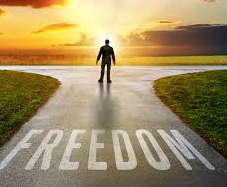
The concept of freedom and its relationship with democracy has been a topic of intense debate throughout history. From the inception of democracy in ancient Greece to modern society, many societal structures, rulers, and conflicts have emerged. This article explores the notion that the price of freedom may be higher than previously understood and questions whether democracy has truly served the interests of all individuals.
Democracy, often hailed as a hallmark of freedom, has evolved significantly. The principle of “one person, one vote” is increasingly perceived as inadequate. Critics argue that the system has become tailored to benefit a select group, undermining its original intent. The legacies of figures like Christopher Columbus and John Locke reflect a complex history where progress and culture have often come at a heavy cost. The establishment of colonies and societies built on slavery has altered demographic, geographic, sociological, and health structures globally.
The impact of historical injustices is poignantly illustrated in a recent incident where a white man publicly apologized to a member of an Indigenous community. While such gestures may seem meaningful, they raise questions about their effectiveness in rectifying centuries of oppression. Can an apology restore what has been lost? The complexity of these issues highlights the challenges faced by individuals from nations with colonial histories.
For those traveling from smaller nations, particularly outside the European Union, experiences at border crossings can evoke feelings of second-class citizenship. Travelers often endure additional scrutiny and delays, revealing an uncomfortable reality of inequality. Such experiences are compounded by the freedoms that emerged in the 20th century, including women’s rights, voting rights, and workplace equality. The introduction of gender equality laws has sparked discussions around language and the expression of gender identity.
While societies have made strides in recognizing diverse identities, some question whether these advances lead to a genuinely improved quality of life for all. The focus on sexual orientation and gender identity often overshadows broader societal issues. My own views suggest that personal choices regarding identity should remain private, rather than becoming subjects of public debate. The potential for misuse of these freedoms also warrants scrutiny.
Language, too, plays a pivotal role in shaping society. The evolving nature of communication has led to a rich diversity of languages, yet it can also create barriers. Global interactions often default to English, yet even within English-speaking countries, variations complicate understanding. The distinction between British, American, and Australian English reveals how language can both unite and divide.
Reflecting on the history of language, Latin once served as a common means of communication. As a “dead” language now, its evolution into various modern languages illustrates how linguistic diversity has grown over time. While some may argue that commonality in language should be a goal, the essence of freedom could be defined by our ability to understand each other, irrespective of the language spoken.
An encounter I observed in a restaurant garden highlighted the innocence of childhood, where three young boys, each from different linguistic backgrounds, engaged in play without recognizing their communication barriers. Children demonstrate an innate acceptance of diversity that adults often lose as they mature, influenced by societal prejudices. If children can embrace differences, why can’t adults extend the same freedom in expression and acceptance?
The question of superiority—whether based on race, nationality, or state—remains a troubling aspect of modern society. The United States, often portrayed as a beacon of democracy and freedom, grapples with issues of homelessness and social inequality. Historical actions, including colonization and the displacement of Indigenous peoples, continue to cast shadows over its narrative of progress.
In conclusion, the journey toward understanding freedom and democracy is ongoing. As individuals, we must reflect on our roles within society and how our actions contribute to or hinder the collective pursuit of a more equitable world. The lessons we learn from children may be pivotal in redefining our understanding of freedom and acceptance, encouraging us to challenge existing societal norms. Being born a man, and incidentally a French citizen, has led me to ponder these complex issues deeply, urging a re-examination of what it means to be truly free.



Belfast Gears Up for Vibrant St Patrick’s Day Parade on March 17

Cuba Faces Nationwide Blackout Amid Deepening Energy Crisis

Wirral Council to Restructure Leadership, Cutting Two Top Roles

Rethinking Resistance Training: Key Insights from US Experts

EU Membership on the Horizon: What It Means for Citizens

Ukrainian Drone Swarms Strike Moscow Region for Second Day

Henley Launches Innovative Initiative to Boost Local Economy

Court Ruling Allows Pandemic Tax Refund Claims Until 2026

Sean Penn’s Absence at 2026 Oscars Sparks Discussion

Coronation Street’s Shocking Murder Twist Reveals Family Secrets

Andrew Pierce Confirms Departure from ITV’s Good Morning Britain

Katie Price Faces New Health Concerns After Cancer Symptoms Resurface

Sue Radford Reveals Weight Loss Journey, Shedding 12–13 kg

Kate Garraway Sells £2 Million Home Amid Financial Struggles

Jordan Brook Faces Health Crisis in Hospital as Sophie Kasaei Stays Away

EastEnders’ Nicola Mitchell Faces Unexpected Pregnancy Crisis

Bailey Announces Heartbreaking Split from Rebecca After Reunion

Ann Ming Reflects on ITV’s ‘I Fought the Law’ Drama
-
 World4 months ago
Coronation Street’s Shocking Murder Twist Reveals Family Secrets
-
 Entertainment4 months ago
Andrew Pierce Confirms Departure from ITV’s Good Morning Britain
-
 Health7 months ago
Katie Price Faces New Health Concerns After Cancer Symptoms Resurface
-
 Health3 months ago
Sue Radford Reveals Weight Loss Journey, Shedding 12–13 kg
-
 Entertainment8 months ago
Kate Garraway Sells £2 Million Home Amid Financial Struggles
-
 Entertainment4 weeks ago
Jordan Brook Faces Health Crisis in Hospital as Sophie Kasaei Stays Away
-
 World5 months ago
EastEnders’ Nicola Mitchell Faces Unexpected Pregnancy Crisis
-
 World5 months ago
Bailey Announces Heartbreaking Split from Rebecca After Reunion
-
 Entertainment7 months ago
Ann Ming Reflects on ITV’s ‘I Fought the Law’ Drama
-

 Entertainment2 months ago
Selena Gomez’s Name Linked to Epstein: Examining the Claims
-

 Health7 months ago
TOWIE Stars Sophie Kasaei and Jordan Brook Pursue Fertility Treatment
-

 Health7 months ago
Fiona Phillips’ Husband Shares Heartbreaking Update on Her Health