
Lifestyle
RAC Urges Drivers to Avoid Dangerous Defrosting Method

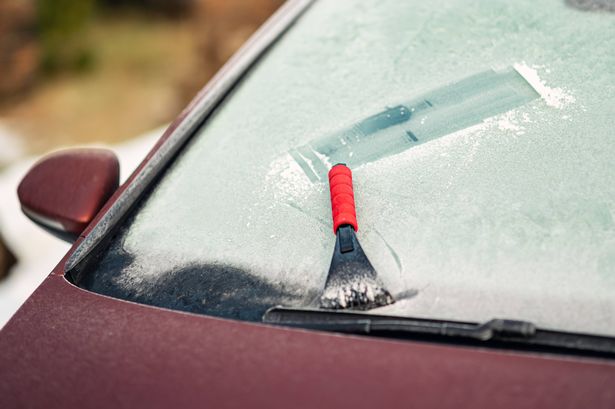
As winter temperatures drop across the UK, the RAC (Royal Automobile Club) has issued a warning to drivers about a potentially damaging method for defrosting car windscreens. The organization strongly advises against using boiling water to thaw ice, a technique that has gained popularity through social media trends.
Each December, many drivers encounter frozen windscreens, leading to delays as they attempt to clear ice before hitting the road. While quick fixes may seem appealing, the RAC emphasizes that pouring hot water can create thermal shock, resulting in cracks that could lead to costly repairs.
Expert Advice on Safe Defrosting Techniques
In a recent statement, the RAC provided guidance aimed at preventing frost buildup on vehicles. The organization noted, “Setting off to work in the morning can be an arduous task in winter.” They recommended that drivers plan ahead by using a windscreen cover the night before and allowing sufficient time to clear ice in the morning. Ideally, this process should take around ten minutes using a scraper and de-icer.
The risks associated with pouring boiling water are significant. According to the RAC, the temperature difference—from sub-zero conditions to nearly 100 degrees Celsius—can cause windows to crack. The organization emphasized the importance of keeping a bottle of de-icer in the vehicle and ensuring that all windows, mirrors, and lights are free of ice to maintain visibility.
Preventive Measures to Avoid Frost
In addition to the RAC’s recommendations, there are several other strategies drivers can use to prevent frost formation. One effective method, highlighted in a video by Extreme Clean Services, involves placing a dry towel over the windscreen the evening before. This simple step can save valuable time in the morning and avoid the dangers of hot water.
The AA (Automobile Association) has echoed similar advice. They suggest that if a garage is available, parking a vehicle inside can significantly reduce the likelihood of ice forming. For those without a garage, parking close to home can utilize residual heat, further decreasing the chances of frost.
Using a shield, such as a piece of cardboard, is another effective tactic to prevent windscreen freezing. The AA recommends ensuring the cardboard is thick and dry, secured with the wipers to prevent moisture from seeping in and freezing.
While commercial windscreen covers are often more efficient, everyday materials can serve as alternatives if needed. Drivers are urged to avoid flimsy options like newspaper, as these can absorb moisture and freeze to the glass.
As winter progresses, adherence to these safety guidelines is essential for maintaining vehicle integrity and ensuring safe travel. By following expert advice from organizations like the RAC and AA, drivers can navigate the challenges of winter driving with confidence.













Belfast Gears Up for Vibrant St Patrick’s Day Parade on March 17

Cuba Faces Nationwide Blackout Amid Deepening Energy Crisis

Wirral Council to Restructure Leadership, Cutting Two Top Roles

Rethinking Resistance Training: Key Insights from US Experts

EU Membership on the Horizon: What It Means for Citizens

Ukrainian Drone Swarms Strike Moscow Region for Second Day

Henley Launches Innovative Initiative to Boost Local Economy

Court Ruling Allows Pandemic Tax Refund Claims Until 2026

Sean Penn’s Absence at 2026 Oscars Sparks Discussion

Coronation Street’s Shocking Murder Twist Reveals Family Secrets

Andrew Pierce Confirms Departure from ITV’s Good Morning Britain

Katie Price Faces New Health Concerns After Cancer Symptoms Resurface

Sue Radford Reveals Weight Loss Journey, Shedding 12–13 kg

Kate Garraway Sells £2 Million Home Amid Financial Struggles

Jordan Brook Faces Health Crisis in Hospital as Sophie Kasaei Stays Away

EastEnders’ Nicola Mitchell Faces Unexpected Pregnancy Crisis

Bailey Announces Heartbreaking Split from Rebecca After Reunion

Ann Ming Reflects on ITV’s ‘I Fought the Law’ Drama
-
 World4 months ago
Coronation Street’s Shocking Murder Twist Reveals Family Secrets
-
 Entertainment4 months ago
Andrew Pierce Confirms Departure from ITV’s Good Morning Britain
-
 Health7 months ago
Katie Price Faces New Health Concerns After Cancer Symptoms Resurface
-
 Health3 months ago
Sue Radford Reveals Weight Loss Journey, Shedding 12–13 kg
-
 Entertainment8 months ago
Kate Garraway Sells £2 Million Home Amid Financial Struggles
-
 Entertainment4 weeks ago
Jordan Brook Faces Health Crisis in Hospital as Sophie Kasaei Stays Away
-
 World5 months ago
EastEnders’ Nicola Mitchell Faces Unexpected Pregnancy Crisis
-
 World5 months ago
Bailey Announces Heartbreaking Split from Rebecca After Reunion
-
 Entertainment7 months ago
Ann Ming Reflects on ITV’s ‘I Fought the Law’ Drama
-

 Entertainment2 months ago
Selena Gomez’s Name Linked to Epstein: Examining the Claims
-

 Health7 months ago
TOWIE Stars Sophie Kasaei and Jordan Brook Pursue Fertility Treatment
-

 Health8 months ago
Fiona Phillips’ Husband Shares Heartbreaking Update on Her Health