
Lifestyle
Quebec Mosque Attack Anniversary Sparks Renewed Anti-Islamophobia Calls

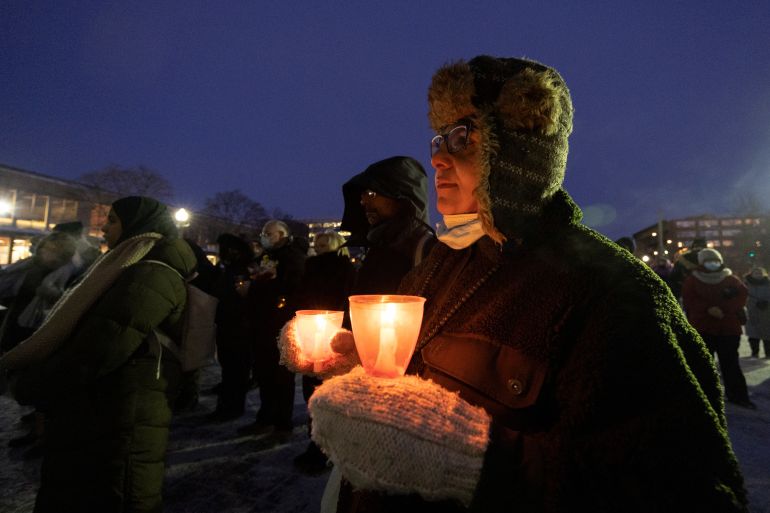
Montreal, Quebec, Canada – As Canada approaches the ninth anniversary of the tragic attack on the Quebec Islamic Cultural Centre, Muslim leaders are intensifying their calls to end anti-Muslim hate and rhetoric. On January 29, 2017, a gunman opened fire in the mosque, killing six Muslim men in what is considered the deadliest attack on a place of worship in Canadian history. Stephen Brown, CEO of the National Council of Canadian Muslims (NCCM), emphasized that the anniversary serves as a critical reminder of the real dangers posed by Islamophobia in Canada.
Brown stated that the anniversary compels society to acknowledge that “Islamophobia… is not benign,” adding, “It’s something that unfortunately kills people.” The attack not only devastated Quebec City’s Muslim community but also sparked widespread vigils and condemnation across the nation, highlighting a troubling global increase in anti-Muslim sentiment and radicalization.
Government Response and Ongoing Challenges
In the wake of the attack, the Canadian government labeled the incident as a “terrorist attack” and committed to addressing the root causes of such violence. In 2021, officials designated January 29 as the National Day of Remembrance of the Quebec City Mosque Attack and Action Against Islamophobia. Despite these measures, Brown expressed concern that the lessons from this tragedy may not be fully recognized nearly a decade later.
He noted that following the massacre, there was a strong societal desire to heal and foster understanding. “Unfortunately,” Brown remarked, “what a lot of people are seeing… is a massive return to using Islamophobia and spreading fear of Muslims for political gain.” This observation aligns with recent legislation proposed by Quebec’s right-wing Coalition Avenir Quebec (CAQ) government.
The CAQ, in power since 2018, has implemented laws perceived by human rights advocates as discriminatory towards Muslim Quebecers. One notable example is **Bill 21**, passed in 2019, which prohibits certain public servants from wearing religious symbols, including headscarves worn by Muslim women, Sikh turbans, and Jewish yarmulkes. The government defends this law as a measure to protect secularism, a value rooted in Quebec’s historical context.
Critics argue that Bill 21 disproportionately affects religious minorities, particularly Muslim women. As the CAQ faces declining popularity ahead of the provincial elections later this year, it has introduced additional legislation aimed at reinforcing its secularism policies. Recent proposals, including **Bill 9**, aim to extend the ban on religious symbols to daycares and private schools and restrict schools from offering meals based solely on religious dietary practices.
Jean-Francois Roberge, the provincial minister responsible for secularism, has dismissed claims that the bill specifically targets Muslim or Jewish communities. He asserted that “the same rules apply to everybody.” Yet, the Canadian Civil Liberties Association (CCLA), which is involved in a lawsuit against Bill 21, argues that such measures disguise discrimination as a secular initiative. Harini Sivalingam, director of the CCLA’s equality programme, stated, “These harmful bans disproportionately target and marginalize religious and racialized minorities, especially Muslim women.”
Rising Islamophobia in Canada
At the federal level, Amira Elghawaby, Canada’s special representative on combating Islamophobia, affirmed the government’s ongoing commitment to addressing this issue. The **Action Plan on Combating Hate**, launched in 2024, has allocated millions of dollars to community initiatives, antifascism programs, and other efforts aimed at tackling hate.
Despite these initiatives, Elghawaby acknowledged that incidents of Islamophobia have been on the rise. Statistics Canada reported **211 anti-Muslim hate crimes** to police in 2023, reflecting a staggering **102-percent increase** from the previous year. The trend continued with **229 incidents** reported in 2024, the most recent year for which data is available.
Elghawaby, whose office was established following the 2021 attack in London, Ontario, that claimed the lives of four members of a single family, emphasized that these statistics highlight the persistent threat of hate in Canada. “Canada… does struggle with division, with polarization, with the rise of extremist narratives,” she noted, underscoring the importance of remembering the Quebec City mosque attack.
The families of the victims of the 2017 attack continue to advocate for awareness and action against Islamophobia. Elghawaby stated, “They don’t want the loss of their loved ones to be in vain. They want Canadians to continue to stand with them, to continue to stand against Islamophobia, and to do their part in their own circles to help promote understanding.” She warned that without learning from past lessons, “history can sadly repeat itself.”











Belfast Gears Up for Vibrant St Patrick’s Day Parade on March 17

Cuba Faces Nationwide Blackout Amid Deepening Energy Crisis

Wirral Council to Restructure Leadership, Cutting Two Top Roles

Rethinking Resistance Training: Key Insights from US Experts

EU Membership on the Horizon: What It Means for Citizens

Ukrainian Drone Swarms Strike Moscow Region for Second Day

Henley Launches Innovative Initiative to Boost Local Economy

Court Ruling Allows Pandemic Tax Refund Claims Until 2026

Sean Penn’s Absence at 2026 Oscars Sparks Discussion

Coronation Street’s Shocking Murder Twist Reveals Family Secrets

Andrew Pierce Confirms Departure from ITV’s Good Morning Britain

Katie Price Faces New Health Concerns After Cancer Symptoms Resurface

Sue Radford Reveals Weight Loss Journey, Shedding 12–13 kg

Kate Garraway Sells £2 Million Home Amid Financial Struggles

Jordan Brook Faces Health Crisis in Hospital as Sophie Kasaei Stays Away

EastEnders’ Nicola Mitchell Faces Unexpected Pregnancy Crisis

Bailey Announces Heartbreaking Split from Rebecca After Reunion

Ann Ming Reflects on ITV’s ‘I Fought the Law’ Drama
-
 World4 months ago
Coronation Street’s Shocking Murder Twist Reveals Family Secrets
-
 Entertainment4 months ago
Andrew Pierce Confirms Departure from ITV’s Good Morning Britain
-
 Health7 months ago
Katie Price Faces New Health Concerns After Cancer Symptoms Resurface
-
 Health2 months ago
Sue Radford Reveals Weight Loss Journey, Shedding 12–13 kg
-
 Entertainment8 months ago
Kate Garraway Sells £2 Million Home Amid Financial Struggles
-
 Entertainment3 weeks ago
Jordan Brook Faces Health Crisis in Hospital as Sophie Kasaei Stays Away
-
 World5 months ago
EastEnders’ Nicola Mitchell Faces Unexpected Pregnancy Crisis
-
 World5 months ago
Bailey Announces Heartbreaking Split from Rebecca After Reunion
-
 Entertainment7 months ago
Ann Ming Reflects on ITV’s ‘I Fought the Law’ Drama
-

 Entertainment2 months ago
Selena Gomez’s Name Linked to Epstein: Examining the Claims
-

 Health7 months ago
TOWIE Stars Sophie Kasaei and Jordan Brook Pursue Fertility Treatment
-

 Health7 months ago
Fiona Phillips’ Husband Shares Heartbreaking Update on Her Health