
Lifestyle
Pet Insurance Costs Vary by Breed and Location, Study Reveals

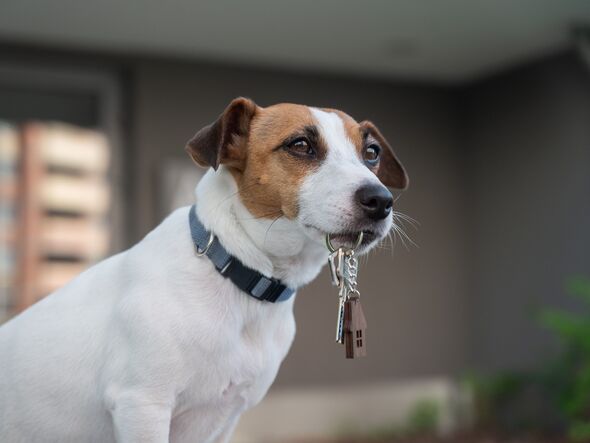
Pet owners in the United Kingdom are advised to carefully consider their choice of dog breed and location, as new research indicates that insurance premiums can vary dramatically. According to data from Go Compare, the cost of insuring a dog can fluctuate by as much as 300% based on the breed and the owner’s postcode. The findings highlight significant disparities in the insurance landscape for pet owners.
The research reveals that pedigree dogs typically incur higher insurance costs. For instance, the average monthly premium for insuring a pedigree dog stands at £13.13, whereas the average for mixed-breed dogs is approximately £7.90. Larger breeds face the steepest premiums, with the insurance for a Bernese Mountain Dog costing an average of £27.36 per month. In contrast, insuring a Chihuahua costs about £7.46, illustrating the stark differences that breed can impose on insurance costs.
Cats exhibit similar trends in insurance pricing. The Alpaca LaPerm is identified as the UK’s most expensive cat to insure, with monthly premiums averaging around £22.19. On the other hand, a tortoiseshell British Shorthair can be insured for just £6.51 a month.
Geographical Variations in Premiums
Insurance costs are not solely influenced by breed; geographical location also plays a crucial role. Pet owners residing in London encounter the highest average monthly premiums at £13.47. In contrast, those living in Wales benefit from the lowest premiums, averaging £9.61 per month. The average monthly premiums across the UK are £11.34 in England, £10.75 in Northern Ireland, and £9.99 in Scotland.
Despite these significant averages, there is some positive news for pet owners. The average monthly premiums for dogs have decreased by 12% over the past year, while cat owners are now paying 3% less than they did twelve months ago.
Strategies for Reducing Insurance Costs
Experts suggest several strategies that pet owners can employ to lower their insurance premiums further. One effective method is to increase the excess amount on the policy, as this typically results in lower monthly payments. Additionally, opting for a multi-pet policy can provide discounts for those insuring more than one animal.
Paying premiums annually rather than in monthly installments can also lead to savings. Finally, long-term customers might negotiate better rates by indicating their willingness to switch providers if necessary.
With the variation in insurance costs reaching hundreds of pounds annually, pet owners should carefully weigh their options when selecting a breed and consider their geographical location to avoid unnecessary expenses.









Belfast Gears Up for Vibrant St Patrick’s Day Parade on March 17

Cuba Faces Nationwide Blackout Amid Deepening Energy Crisis

Wirral Council to Restructure Leadership, Cutting Two Top Roles

Rethinking Resistance Training: Key Insights from US Experts

EU Membership on the Horizon: What It Means for Citizens

Ukrainian Drone Swarms Strike Moscow Region for Second Day

Henley Launches Innovative Initiative to Boost Local Economy

Court Ruling Allows Pandemic Tax Refund Claims Until 2026

Sean Penn’s Absence at 2026 Oscars Sparks Discussion

Coronation Street’s Shocking Murder Twist Reveals Family Secrets

Andrew Pierce Confirms Departure from ITV’s Good Morning Britain

Katie Price Faces New Health Concerns After Cancer Symptoms Resurface

Gyles Brandreth Shares Grandson’s Cancer Battle and Recovery

Sue Radford Reveals Weight Loss Journey, Shedding 12–13 kg

Kate Garraway Sells £2 Million Home Amid Financial Struggles

Jordan Brook Faces Health Crisis in Hospital as Sophie Kasaei Stays Away

EastEnders’ Nicola Mitchell Faces Unexpected Pregnancy Crisis

Reddit Study Reveals Distinctions Between Lurkers and Power Users
-
 World8 months ago
Coronation Street’s Shocking Murder Twist Reveals Family Secrets
-
 Entertainment8 months ago
Andrew Pierce Confirms Departure from ITV’s Good Morning Britain
-
 Health11 months ago
Katie Price Faces New Health Concerns After Cancer Symptoms Resurface
-
 Health6 months ago
Gyles Brandreth Shares Grandson’s Cancer Battle and Recovery
-
 Health6 months ago
Sue Radford Reveals Weight Loss Journey, Shedding 12–13 kg
-
 Entertainment12 months ago
Kate Garraway Sells £2 Million Home Amid Financial Struggles
-
 Entertainment4 months ago
Jordan Brook Faces Health Crisis in Hospital as Sophie Kasaei Stays Away
-
 World9 months ago
EastEnders’ Nicola Mitchell Faces Unexpected Pregnancy Crisis
-
 Science8 months ago
Reddit Study Reveals Distinctions Between Lurkers and Power Users
-

 World8 months ago
Mother Charged After Son, 9, Killed in Tragic Incident in Italy
-

 Entertainment11 months ago
Ann Ming Reflects on ITV’s ‘I Fought the Law’ Drama
-

 World8 months ago
Bailey Announces Heartbreaking Split from Rebecca After Reunion