
Lifestyle
Gardeners Alerted: Combat ‘Rusty Lawn’ Disease This Week

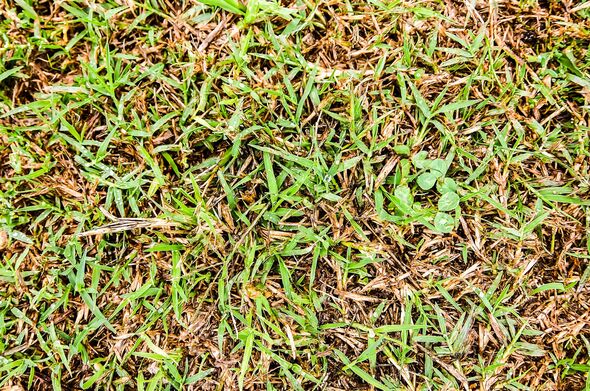
Gardeners across the UK are being warned to take immediate action against a condition known as ‘rust disease’ that can significantly weaken grass during late summer and autumn. This week’s drought conditions have heightened the risk, making it imperative for homeowners to be vigilant.
‘Rust disease’ is caused by various fungi, primarily species from the genera Puccinia and Uromyces. The disease manifests as an orange discolouration of the grass, which can stain clothing and footwear when walked upon. According to the Royal Horticultural Society (RHS), infected areas can produce vast numbers of airborne spores, contributing to the spread of this common foliar disease.
Understanding Rust Disease and Its Impact
The RHS describes rust disease as prevalent between May and November, with peak incidences occurring during the late summer and early autumn months of August and September. The society notes that heavily infected leaves may turn brown and shrivel, although the disease typically does not kill the grass outright.
Moorlands Lawn Care supports this observation, indicating that rust can occur outside the typical season if conditions become overly warm and damp. The current weather patterns have led to a hosepipe ban in several areas of the UK, exacerbating the problem as drought conditions can stress grass and make it more vulnerable to infection.
Preventive Measures and Recommendations
Unfortunately, there are no legal chemical treatments available for rust disease in the UK. The most effective preventative measures involve maintaining lawn health. The RHS advises against letting grass grow too long, as taller blades are more susceptible to rust. Regular mowing and pruning of overhanging trees can improve air circulation, further reducing the likelihood of fungal growth.
Stress factors contributing to rust disease include nutrient deficiencies, moisture shortages, and shaded environments. The RHS suggests that feeding grass regularly during the growing season can help mitigate these stresses. Additionally, fertilisers high in nitrogen should be avoided, as they can promote lush growth that is more prone to rust.
In summary, gardeners are encouraged to monitor their lawns closely and adopt these proactive measures during this critical period. By doing so, they can help ensure their grass remains healthy and vibrant, avoiding the unsightly and damaging effects of rust disease.













Belfast Gears Up for Vibrant St Patrick’s Day Parade on March 17

Cuba Faces Nationwide Blackout Amid Deepening Energy Crisis

Wirral Council to Restructure Leadership, Cutting Two Top Roles

Rethinking Resistance Training: Key Insights from US Experts

EU Membership on the Horizon: What It Means for Citizens

Ukrainian Drone Swarms Strike Moscow Region for Second Day

Henley Launches Innovative Initiative to Boost Local Economy

Court Ruling Allows Pandemic Tax Refund Claims Until 2026

Sean Penn’s Absence at 2026 Oscars Sparks Discussion

Coronation Street’s Shocking Murder Twist Reveals Family Secrets

Andrew Pierce Confirms Departure from ITV’s Good Morning Britain

Katie Price Faces New Health Concerns After Cancer Symptoms Resurface

Gyles Brandreth Shares Grandson’s Cancer Battle and Recovery

Sue Radford Reveals Weight Loss Journey, Shedding 12–13 kg

Kate Garraway Sells £2 Million Home Amid Financial Struggles

Jordan Brook Faces Health Crisis in Hospital as Sophie Kasaei Stays Away

EastEnders’ Nicola Mitchell Faces Unexpected Pregnancy Crisis

Reddit Study Reveals Distinctions Between Lurkers and Power Users
-
 World8 months ago
Coronation Street’s Shocking Murder Twist Reveals Family Secrets
-
 Entertainment8 months ago
Andrew Pierce Confirms Departure from ITV’s Good Morning Britain
-
 Health11 months ago
Katie Price Faces New Health Concerns After Cancer Symptoms Resurface
-
 Health6 months ago
Gyles Brandreth Shares Grandson’s Cancer Battle and Recovery
-
 Health6 months ago
Sue Radford Reveals Weight Loss Journey, Shedding 12–13 kg
-
 Entertainment1 year ago
Kate Garraway Sells £2 Million Home Amid Financial Struggles
-
 Entertainment5 months ago
Jordan Brook Faces Health Crisis in Hospital as Sophie Kasaei Stays Away
-
 World9 months ago
EastEnders’ Nicola Mitchell Faces Unexpected Pregnancy Crisis
-
 Science8 months ago
Reddit Study Reveals Distinctions Between Lurkers and Power Users
-

 World9 months ago
Mother Charged After Son, 9, Killed in Tragic Incident in Italy
-

 Entertainment11 months ago
Ann Ming Reflects on ITV’s ‘I Fought the Law’ Drama
-

 World9 months ago
Bailey Announces Heartbreaking Split from Rebecca After Reunion