
Lifestyle
Exploring the Real Benefits of Flying First Class Today

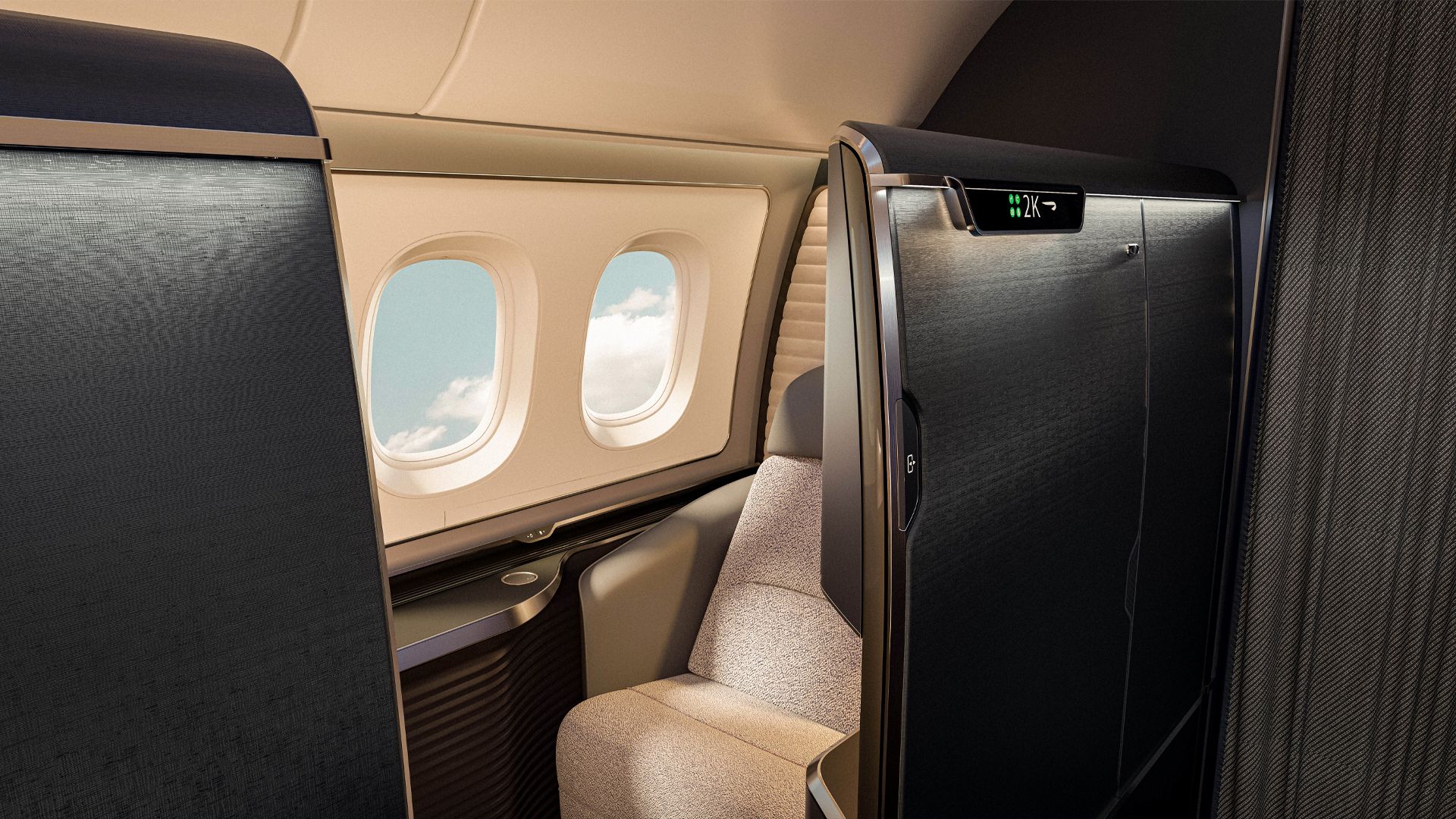
First class air travel has long been synonymous with luxury, but the true benefits of this elite service have evolved significantly. While first class traditionally offered spacious seating, gourmet meals, and premium service, today’s offerings require deeper scrutiny. As airlines reassess their premium travel options, the question arises: do the advantages of flying first class justify the steep price?
The shift in the airline industry over the past two decades is noteworthy. Many carriers have removed first class entirely, opting instead for enhanced business class experiences that cater to the needs of most premium travelers. In contrast, some airlines, particularly those in the Middle East and Asia, have invested heavily in first class, creating an exclusive, highly personalized travel environment that begins long before passengers even board the aircraft.
Understanding the First Class Experience
Flying first class is designed to provide a more controlled travel experience from check-in to arrival. With dedicated check-in areas, priority security, and exclusive lounges, first class allows travelers to bypass the congestion and unpredictability that often accompany modern air travel. For instance, the Emirates Airbus A380 and Lufthansa’s Boeing 747-8 feature a small, separated section for first class, often accommodating fewer than a dozen passengers. This configuration enables airlines to offer on-demand meal service and a higher crew-to-passenger ratio, ensuring a quieter and more tailored experience.
For travelers who prioritize privacy and comfort during long flights, first class can indeed deliver advantages that business class may not consistently replicate. The larger, often enclosed suites, combined with a lower passenger density, contribute to an environment that reduces interruptions, particularly beneficial on overnight flights. However, the value of these benefits can vary greatly, especially on shorter routes where the advantages of first class may not justify the higher fares.
Factors Influencing First Class Value
The experience of flying first class can differ significantly based on several factors, including the airline’s strategic philosophy, aircraft configuration, and route structure. For example, Middle Eastern and Asian airlines, such as Qatar Airways and Singapore Airlines, have historically placed a strong emphasis on luxurious features, offering amenities like enclosed suites and onboard showers. In contrast, European carriers tend to focus on refined service and ground handling, while many US airlines have phased out international first class in favor of advanced business class offerings.
Ground experiences also play a crucial role. First class passengers may have access to dedicated terminals that provide exceptional services, such as à la carte dining and personal assistants, elevating the overall travel experience. For instance, Lufthansa’s First Class Terminal in Frankfurt exemplifies this high level of service, complete with private security screening and direct tarmac transfers to the aircraft.
However, first class doesn’t come without drawbacks. The cost remains a significant barrier, with fares often several times higher than business class on long-haul flights. Additionally, inconsistency is a notable issue; not all airlines provide a uniform definition of first class, especially on short or medium-haul flights where enhancements may be limited.
In recent years, the gap between first class and business class has narrowed considerably, particularly with innovations in business class seating and service. Airlines like Qatar Airways with its Qsuite and Delta Air Lines’ Delta One Suites now offer features such as lie-flat beds and direct aisle access, which were once exclusive to first class.
For many travelers, business class now strikes a more efficient balance between comfort and cost. However, for those flying ultra-long-haul routes or who value a premium experience, first class still presents a compelling option.
The Future of First Class Travel
Airlines view first class not just as a revenue generator but as a strategic product that shapes brand perception. This “halo effect” influences how passengers perceive the airline overall, as evidenced by Air France’s La Première service, which emphasizes French luxury and gastronomy.
As the industry continues to evolve, first class may remain a niche offering, primarily appealing to travelers who see the flight experience as part of their overall journey. While some airlines refine their first class services, others are allocating resources toward enhancing business class options.
Ultimately, whether first class is worth the investment depends on individual travel priorities. As long as affordability remains a central concern, first class is likely to remain an exclusive choice for those who value privacy, consistency, and a reduced sensory overload during their travels.

Belfast Gears Up for Vibrant St Patrick’s Day Parade on March 17

Cuba Faces Nationwide Blackout Amid Deepening Energy Crisis

Wirral Council to Restructure Leadership, Cutting Two Top Roles

Rethinking Resistance Training: Key Insights from US Experts

EU Membership on the Horizon: What It Means for Citizens

Ukrainian Drone Swarms Strike Moscow Region for Second Day

Henley Launches Innovative Initiative to Boost Local Economy

Court Ruling Allows Pandemic Tax Refund Claims Until 2026

Sean Penn’s Absence at 2026 Oscars Sparks Discussion

Coronation Street’s Shocking Murder Twist Reveals Family Secrets

Andrew Pierce Confirms Departure from ITV’s Good Morning Britain

Katie Price Faces New Health Concerns After Cancer Symptoms Resurface

Gyles Brandreth Shares Grandson’s Cancer Battle and Recovery

Sue Radford Reveals Weight Loss Journey, Shedding 12–13 kg

Kate Garraway Sells £2 Million Home Amid Financial Struggles

Jordan Brook Faces Health Crisis in Hospital as Sophie Kasaei Stays Away

EastEnders’ Nicola Mitchell Faces Unexpected Pregnancy Crisis

Reddit Study Reveals Distinctions Between Lurkers and Power Users
-
 World8 months ago
Coronation Street’s Shocking Murder Twist Reveals Family Secrets
-
 Entertainment8 months ago
Andrew Pierce Confirms Departure from ITV’s Good Morning Britain
-
 Health11 months ago
Katie Price Faces New Health Concerns After Cancer Symptoms Resurface
-
 Health6 months ago
Gyles Brandreth Shares Grandson’s Cancer Battle and Recovery
-
 Health6 months ago
Sue Radford Reveals Weight Loss Journey, Shedding 12–13 kg
-
 Entertainment12 months ago
Kate Garraway Sells £2 Million Home Amid Financial Struggles
-
 Entertainment5 months ago
Jordan Brook Faces Health Crisis in Hospital as Sophie Kasaei Stays Away
-
 World9 months ago
EastEnders’ Nicola Mitchell Faces Unexpected Pregnancy Crisis
-
 Science8 months ago
Reddit Study Reveals Distinctions Between Lurkers and Power Users
-

 World9 months ago
Mother Charged After Son, 9, Killed in Tragic Incident in Italy
-

 Entertainment11 months ago
Ann Ming Reflects on ITV’s ‘I Fought the Law’ Drama
-

 World9 months ago
Bailey Announces Heartbreaking Split from Rebecca After Reunion