
Lifestyle
Expert Urges Against Eating January Tomatoes to Cut Emissions

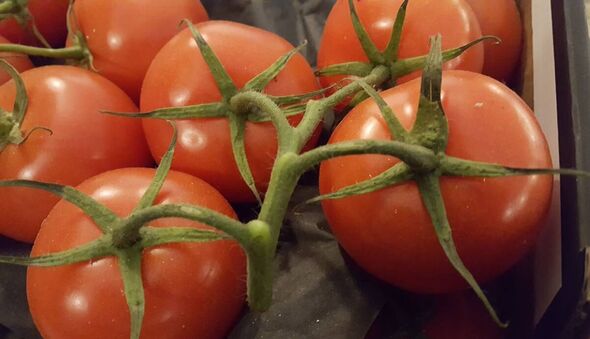
A leading expert has issued a warning against consuming tomatoes in January, highlighting the significant carbon emissions associated with off-season produce. According to Mike Berners-Lee, author of the book How Bad Are Bananas?, many fruits and vegetables available during the winter months, such as fresh tomatoes, lettuce, asparagus, and strawberries, are imported using carbon-intensive air freight. This process contributes substantially to global warming.
In a recent discussion, Berners-Lee emphasized the importance of choosing seasonal foods, stating that individuals who wish to reduce their carbon footprints should avoid items that require air transport. “Go seasonal, avoiding hot houses and air freight,” he advised. He noted that while local seasonal produce is ideal, products shipped by boat have a considerably smaller carbon footprint due to their more efficient transportation methods.
Understanding the Impact of Food Choices
Berners-Lee provided specific examples of produce that should be avoided in the UK during January. He pointed out that items with short shelf lives, such as lettuce and strawberries, are likely to have been imported via air. In contrast, fruits like oranges, bananas, and apples are typically shipped by boat, making them more environmentally friendly choices.
According to Berners-Lee, adhering to this principle can lead to approximately a 10 percent reduction in carbon emissions from a typical UK diet. He elaborated on the broader implications of carbon emissions, stating, “Our species is good at understanding the direct, immediate and visible consequences of our actions. We are a lot less smart at grasping the consequences when they are dispersed across billions of people whom we will never meet.” This perspective underscores the need for awareness regarding the environmental impact of individual food choices.
Alternative Options for Tomato Lovers
For those still hoping to enjoy tomatoes during the winter, Berners-Lee suggested a few alternatives. Home gardening can eliminate the carbon footprint associated with store-bought tomatoes, provided that artificial heating or lighting is not used. He recommended that individuals with late-season tomatoes consider picking unripened green tomatoes and allowing them to ripen naturally indoors.
Additionally, green tomatoes can be transformed into chutney, a suggestion that some gardeners have found particularly rewarding. This approach not only reduces waste but also provides a delicious way to utilize produce that may otherwise go uneaten.
As the conversation around sustainability continues to grow, experts like Mike Berners-Lee are encouraging consumers to rethink their food purchasing habits, especially during the colder months. By making informed choices and opting for seasonal produce, individuals can contribute to a more sustainable future while enjoying a diverse diet.

Belfast Gears Up for Vibrant St Patrick’s Day Parade on March 17

Cuba Faces Nationwide Blackout Amid Deepening Energy Crisis

Wirral Council to Restructure Leadership, Cutting Two Top Roles

Rethinking Resistance Training: Key Insights from US Experts

EU Membership on the Horizon: What It Means for Citizens

Ukrainian Drone Swarms Strike Moscow Region for Second Day

Henley Launches Innovative Initiative to Boost Local Economy

Court Ruling Allows Pandemic Tax Refund Claims Until 2026

Sean Penn’s Absence at 2026 Oscars Sparks Discussion

Coronation Street’s Shocking Murder Twist Reveals Family Secrets

Andrew Pierce Confirms Departure from ITV’s Good Morning Britain

Katie Price Faces New Health Concerns After Cancer Symptoms Resurface

Gyles Brandreth Shares Grandson’s Cancer Battle and Recovery

Sue Radford Reveals Weight Loss Journey, Shedding 12–13 kg

Kate Garraway Sells £2 Million Home Amid Financial Struggles

Jordan Brook Faces Health Crisis in Hospital as Sophie Kasaei Stays Away

EastEnders’ Nicola Mitchell Faces Unexpected Pregnancy Crisis

Reddit Study Reveals Distinctions Between Lurkers and Power Users
-
 World9 months ago
Coronation Street’s Shocking Murder Twist Reveals Family Secrets
-
 Entertainment9 months ago
Andrew Pierce Confirms Departure from ITV’s Good Morning Britain
-
 Health12 months ago
Katie Price Faces New Health Concerns After Cancer Symptoms Resurface
-
 Health7 months ago
Gyles Brandreth Shares Grandson’s Cancer Battle and Recovery
-
 Health7 months ago
Sue Radford Reveals Weight Loss Journey, Shedding 12–13 kg
-
 Entertainment1 year ago
Kate Garraway Sells £2 Million Home Amid Financial Struggles
-
 Entertainment5 months ago
Jordan Brook Faces Health Crisis in Hospital as Sophie Kasaei Stays Away
-
 World10 months ago
EastEnders’ Nicola Mitchell Faces Unexpected Pregnancy Crisis
-
 Science9 months ago
Reddit Study Reveals Distinctions Between Lurkers and Power Users
-

 World9 months ago
Mother Charged After Son, 9, Killed in Tragic Incident in Italy
-

 Entertainment12 months ago
Ann Ming Reflects on ITV’s ‘I Fought the Law’ Drama
-

 World9 months ago
Bailey Announces Heartbreaking Split from Rebecca After Reunion