
Health
Understanding Psychopathy: Insights from Dr. Leanne ten Brinke

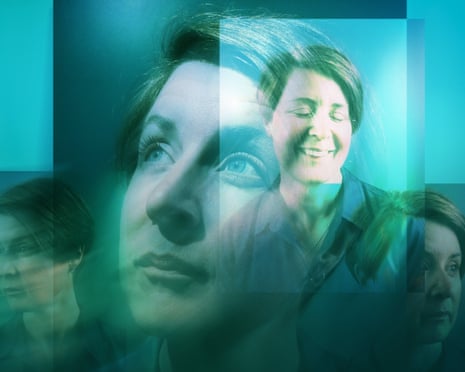
Dr. Leanne ten Brinke’s early encounters with psychopathy led her to a career dedicated to understanding dark personalities. While volunteering at a parole office in Halifax, Nova Scotia, she interacted with released sex offenders. Most of the men expressed remorse for their actions, except for one individual who exhibited unsettling behavior. “He seemed to treat the treatment programme like a game,” recalls Ten Brinke. His comment about how his victim resembled her left her shaken and reconsidering her path.
Despite this unsettling experience, Ten Brinke’s interest in psychopathy grew, leading her to explore the prevalence of dark traits in various societal sectors. As an associate professor of psychology at the University of British Columbia, she emphasizes that psychopathy, along with traits such as narcissism and machiavellianism, is not confined to the criminal underworld. “These traits exist in our families, workplaces, and even in leadership roles,” she explains.
Research indicates that approximately 1% of the general population exhibits clinical levels of psychopathy, as measured by the Psychopathy Checklist-Revised (PCL-R). More alarming is the finding that up to 18% of individuals may possess elevated traits, which Ten Brinke describes as “dark territory.” Within the prison system, the prevalence of clinical psychopathy rises to about 20%.
The implications of these findings are significant. Individuals with psychopathic traits are often adept at manipulating others and can be highly persuasive, making them capable of influencing parole boards and securing their release. “Even though most people do not reach clinical levels of psychopathy, those with elevated dark traits can cause substantial harm,” Ten Brinke asserts.
Understanding Psychopathy in Society
Ten Brinke highlights that both genetic and environmental factors contribute to the manifestation of psychopathic traits. “This is promising because it suggests that interventions can alter outcomes,” she notes, particularly for children displaying “callous unemotional” traits from a young age. Early intervention can lead to positive changes in behavior.
For adults, treatment focuses on modifying behavior rather than changing personality. Research from criminal justice settings shows that treatment can effectively reduce recidivism rates among individuals with high levels of psychopathy. “Those who remain engaged in treatment tend to show lower reoffense rates over time,” Ten Brinke adds.
Her interest in psychopathy expanded beyond criminality to encompass business and leadership contexts. “People with dark personality traits are overrepresented in senior management,” she observes. Their desire for power and status often translates into charismatic and confident behavior, which can mislead others into equating confidence with competence.
In her consulting work, Ten Brinke assessed hedge fund managers for a financial advisory firm, seeking signs of deceit and evaluating their personality traits. At an investor conference, she noted how one CEO dominated conversations, often belittling colleagues. “His behavior was captivating to the audience, reinforcing the misconception that such traits lead to success,” she explains.
The Cycle of Dark Leadership
Ten Brinke describes a “dark spiral” where uncertain times lead society to seek strong leaders, often those with dark traits. This creates a cycle of instability that reinforces the selection of similar leaders who may exacerbate the issues. While she does not specifically assess individuals such as former US President Donald Trump using the PCL-R checklist, she acknowledges the presence of elevated traits in his behavior.
In a study involving over 100 US senators, Ten Brinke found that cooperative and humble individuals were more effective in passing legislation than those with dark personality traits. This suggests that recognizing and valuing collaborative qualities could lead to better leadership choices.
Ten Brinke emphasizes the importance of identifying dark personalities to make informed decisions across various aspects of life. “It can be a matter of detecting and avoiding or detecting and managing,” she states. Research indicates that job advertisements seeking “results-oriented” individuals often attract more narcissists compared to those valuing teamwork.
Recognizing Traits and Setting Boundaries
To identify dark personalities, Ten Brinke advises looking for specific behaviors. Euphemisms like “thrill-seeking” may hint at impulsivity. She encourages individuals to be discerning about the source of power, questioning whether it stems from respect or coercion.
“It is crucial to observe patterns of behavior over time rather than relying on first impressions,” Ten Brinke notes. Indicators of dark personalities include frequent interruptions, emotional outbursts, and a lack of empathy. In romantic contexts, initial displays of affection can be misleading, often termed “love bombing.”
While being aware of dark traits is essential, Ten Brinke acknowledges that avoiding all individuals with such characteristics is unrealistic. Instead, she recommends a harm-reduction approach. “Establishing clear boundaries is vital,” she advises. Documenting rules can prevent individuals with dark traits from pushing limits, whether in family or workplace settings.
Her research shows that individuals with psychopathic tendencies tend to respond better to rewards than punishments. Recognizing positive behavior and providing appropriate rewards can shape their actions more effectively.
In the workplace, Ten Brinke cautions against placing individuals with dark traits in management roles, as they are prone to bullying subordinates. When navigating challenging conversations, finding common ground can reduce the likelihood of aggressive responses, especially from individuals with narcissistic tendencies.
Ten Brinke’s book, Poisonous People: How to Resist Them and Improve Your Life, offers insights into managing interactions with dark personalities. She emphasizes that while some traits may be challenging, individuals can adopt strategies to minimize negative impacts.
In conclusion, understanding dark personality traits is crucial for fostering healthier relationships and environments. “Recognizing that we can all cultivate more empathy and reduce manipulative tendencies is a hopeful message,” she states. The journey toward recognizing and managing dark personalities is essential for personal and societal well-being.







Belfast Gears Up for Vibrant St Patrick’s Day Parade on March 17

Cuba Faces Nationwide Blackout Amid Deepening Energy Crisis

Wirral Council to Restructure Leadership, Cutting Two Top Roles

Rethinking Resistance Training: Key Insights from US Experts

EU Membership on the Horizon: What It Means for Citizens

Ukrainian Drone Swarms Strike Moscow Region for Second Day

Henley Launches Innovative Initiative to Boost Local Economy

Court Ruling Allows Pandemic Tax Refund Claims Until 2026

Sean Penn’s Absence at 2026 Oscars Sparks Discussion

Coronation Street’s Shocking Murder Twist Reveals Family Secrets

Andrew Pierce Confirms Departure from ITV’s Good Morning Britain

Katie Price Faces New Health Concerns After Cancer Symptoms Resurface

Gyles Brandreth Shares Grandson’s Cancer Battle and Recovery

Sue Radford Reveals Weight Loss Journey, Shedding 12–13 kg

Kate Garraway Sells £2 Million Home Amid Financial Struggles

Jordan Brook Faces Health Crisis in Hospital as Sophie Kasaei Stays Away

EastEnders’ Nicola Mitchell Faces Unexpected Pregnancy Crisis

Reddit Study Reveals Distinctions Between Lurkers and Power Users
-
 World9 months ago
Coronation Street’s Shocking Murder Twist Reveals Family Secrets
-
 Entertainment8 months ago
Andrew Pierce Confirms Departure from ITV’s Good Morning Britain
-
 Health12 months ago
Katie Price Faces New Health Concerns After Cancer Symptoms Resurface
-
 Health7 months ago
Gyles Brandreth Shares Grandson’s Cancer Battle and Recovery
-
 Health7 months ago
Sue Radford Reveals Weight Loss Journey, Shedding 12–13 kg
-
 Entertainment1 year ago
Kate Garraway Sells £2 Million Home Amid Financial Struggles
-
 Entertainment5 months ago
Jordan Brook Faces Health Crisis in Hospital as Sophie Kasaei Stays Away
-
 World10 months ago
EastEnders’ Nicola Mitchell Faces Unexpected Pregnancy Crisis
-
 Science8 months ago
Reddit Study Reveals Distinctions Between Lurkers and Power Users
-

 World9 months ago
Mother Charged After Son, 9, Killed in Tragic Incident in Italy
-

 Entertainment12 months ago
Ann Ming Reflects on ITV’s ‘I Fought the Law’ Drama
-

 World9 months ago
Bailey Announces Heartbreaking Split from Rebecca After Reunion