
Health
UK’s Women’s Healthcare Crisis: 600,000 Await Treatment, £36B Gap

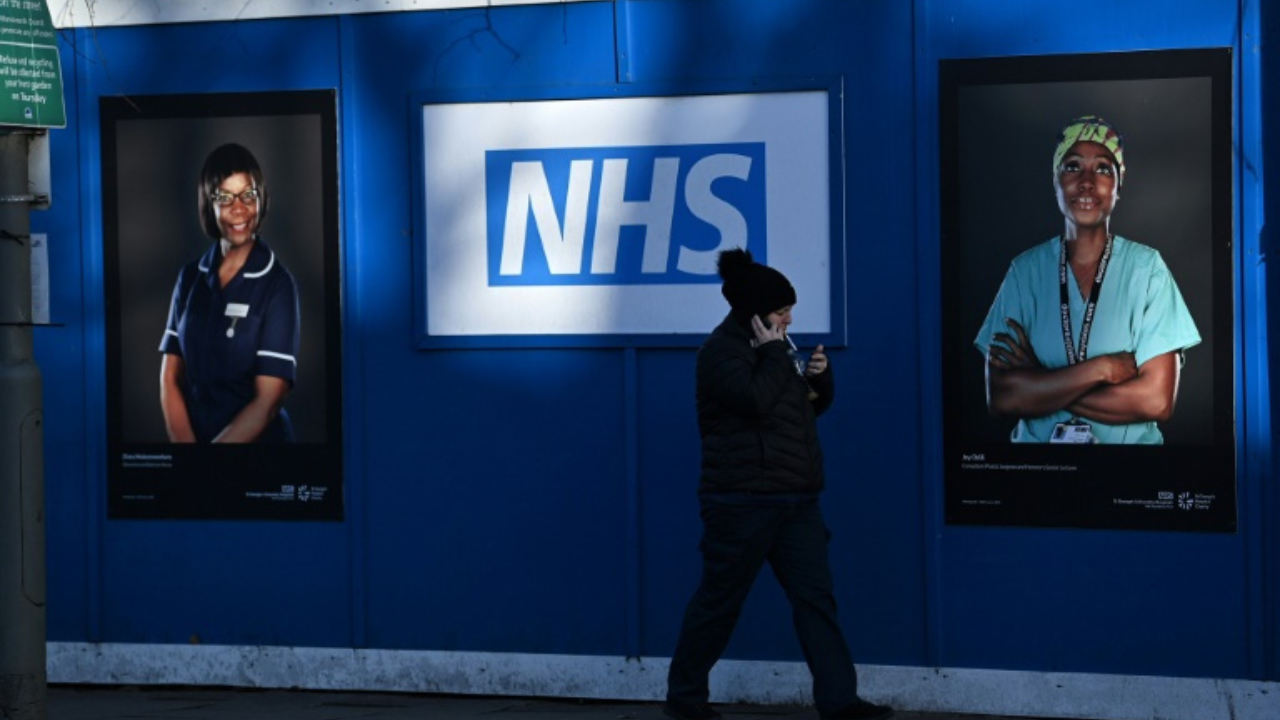
The UK’s healthcare system is under increasing scrutiny as new figures reveal that over 600,000 women are currently waiting for gynaecological treatment through the NHS. This alarming statistic has prompted strong criticism from healthcare leaders, including England’s Women’s Health Ambassador, Dame Lesley Regan, who has characterized women’s healthcare as being “stuck in the nineties.” The situation is exacerbated by record waiting lists and significant disparities in diagnosis and treatment across the nation.
The delays in treatment are not just a matter of health; they are also causing substantial economic repercussions. Estimates suggest that health inequalities affecting women cost the UK economy approximately £36 billion annually due to lost productivity, as many women are forced to leave the workforce due to untreated or inadequately managed health conditions. According to parliamentary data, the number of women awaiting gynaecological treatment in England has surged by nearly one-third in the past two years, with 586,000 incomplete NHS gynaecology pathways as of December 2024. Alarmingly, nearly half of these patients have been waiting longer than the NHS target of 18 weeks.
Women currently comprise 57 percent of all patients on waiting lists, contrasting sharply with 43 percent for men. This discrepancy is particularly evident in the case of endometriosis, where the average time to diagnosis has ballooned to nearly nine years. Health experts warn that such prolonged delays are not only worsening individual health outcomes but also exacerbating existing inequalities.
As waiting times stretch, many women are opting for private clinics to receive timely treatment, further straining their financial resources during an already challenging period. The implications of these delays extend beyond personal health; they have a ripple effect on the broader economy. Speaking at the Women’s Health Week Europe conference in London, Dame Regan emphasized that women have been “let down” by years of lack of investment and bureaucratic hurdles that hinder access to necessary treatments and technologies.
Research indicates that the gender health gap costs the UK economy £36 billion each year, attributed to lost working days, early retirements, and diminished productivity. The systemic issues within the healthcare system are largely to blame. During periods of increased pressure, gynaecology and women-specific services are frequently deprioritized, while funding for research into conditions such as menopause and endometriosis remains woefully inadequate.
Clinics across the NHS are reporting a surge in demand coupled with staff shortages, which only serve to prolong waiting times. A stark example of the personal impact of these systemic failures is illustrated by the experience of Meagan-Blake, a 42-year-old woman who has had to change her general practitioner four times due to her health concerns being dismissed. Conditions like endometriosis affect approximately 25 percent of the female population, yet only 10 percent are officially diagnosed.
Campaigners and health charities continue to highlight the significant personal and national ramifications of untreated conditions, such as severe period pain, which alone is estimated to cost the UK £3.7 billion annually in lost workdays, according to the NHS Confederation.
The government’s Women’s Health Strategy aims to address these issues by establishing new health hubs, improving diagnostics, and investing in women’s health technology. Critics, however, have voiced concerns about the pace of progress, pointing to limited funding and uneven implementation across England. Proposed reforms include prioritizing women’s health specialties in NHS workforce planning, enhancing gender-sensitive diagnostics, and increasing research funding for women’s health conditions to integrate them more fully into clinical training and funding frameworks.
As the UK grapples with these pressing issues, women’s healthcare remains hindered by years of stagnation and underinvestment. With hundreds of thousands still awaiting treatment and billions lost to the economy, the calls for meaningful reform are becoming increasingly urgent. The effectiveness of the latest commitments may prove to be a crucial test for a healthcare system struggling to meet the needs of the female population, which constitutes 51 percent of its users.












Belfast Gears Up for Vibrant St Patrick’s Day Parade on March 17

Cuba Faces Nationwide Blackout Amid Deepening Energy Crisis

Wirral Council to Restructure Leadership, Cutting Two Top Roles

Rethinking Resistance Training: Key Insights from US Experts

EU Membership on the Horizon: What It Means for Citizens

Ukrainian Drone Swarms Strike Moscow Region for Second Day

Henley Launches Innovative Initiative to Boost Local Economy

Court Ruling Allows Pandemic Tax Refund Claims Until 2026

Sean Penn’s Absence at 2026 Oscars Sparks Discussion

Coronation Street’s Shocking Murder Twist Reveals Family Secrets

Andrew Pierce Confirms Departure from ITV’s Good Morning Britain

Katie Price Faces New Health Concerns After Cancer Symptoms Resurface

Sue Radford Reveals Weight Loss Journey, Shedding 12–13 kg

Kate Garraway Sells £2 Million Home Amid Financial Struggles

Jordan Brook Faces Health Crisis in Hospital as Sophie Kasaei Stays Away

EastEnders’ Nicola Mitchell Faces Unexpected Pregnancy Crisis

Bailey Announces Heartbreaking Split from Rebecca After Reunion

Ann Ming Reflects on ITV’s ‘I Fought the Law’ Drama
-
 World4 months ago
Coronation Street’s Shocking Murder Twist Reveals Family Secrets
-
 Entertainment4 months ago
Andrew Pierce Confirms Departure from ITV’s Good Morning Britain
-
 Health7 months ago
Katie Price Faces New Health Concerns After Cancer Symptoms Resurface
-
 Health2 months ago
Sue Radford Reveals Weight Loss Journey, Shedding 12–13 kg
-
 Entertainment8 months ago
Kate Garraway Sells £2 Million Home Amid Financial Struggles
-
 Entertainment3 weeks ago
Jordan Brook Faces Health Crisis in Hospital as Sophie Kasaei Stays Away
-
 World5 months ago
EastEnders’ Nicola Mitchell Faces Unexpected Pregnancy Crisis
-
 World5 months ago
Bailey Announces Heartbreaking Split from Rebecca After Reunion
-
 Entertainment7 months ago
Ann Ming Reflects on ITV’s ‘I Fought the Law’ Drama
-

 Entertainment2 months ago
Selena Gomez’s Name Linked to Epstein: Examining the Claims
-

 Health7 months ago
TOWIE Stars Sophie Kasaei and Jordan Brook Pursue Fertility Treatment
-

 Health7 months ago
Fiona Phillips’ Husband Shares Heartbreaking Update on Her Health