
Health
Transform Your Pillows: Add Vinegar for a Fluffier Clean

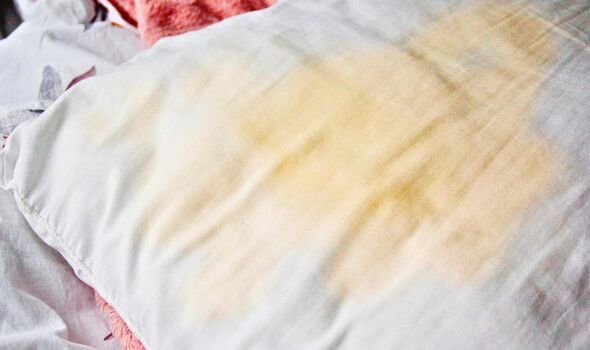
Many people enjoy the comfort of a well-made bed after a long day, yet few realize that bedding, particularly pillows, can harbor germs during the winter months. The combination of increased sweating and heating systems can lead to a buildup of moisture, oils, and salts in pillow fabrics, creating an environment conducive to bacteria and unpleasant odors.
According to experts at Snowe Home, neglecting to wash pillows regularly can result in yellowing fabric, skin irritations, and even mold growth. They recommend a simple method for deep cleaning pillows using a common kitchen item: white vinegar.
Benefits of White Vinegar in Laundry
To maintain cleanliness, it is advisable to wash pillows every six months. Using a gentle detergent along with 120 ml of white vinegar during the rinse cycle can significantly enhance the cleanliness and freshness of your pillows. White vinegar contains acetic acid, which is known for its antibacterial properties. This natural ingredient effectively dissolves oils, salts, and mineral residues left behind by sweat, ensuring that any germs or odors are eliminated during the wash.
While some may opt for bleach to tackle tough stains, this harsh chemical can damage pillow fibers and alter colors. In contrast, white vinegar is eco-friendly, non-toxic, and acts as a natural fabric softener, leaving pillows fluffier and cleaner without the risk of degradation.
Washing Instructions for Optimal Results
Before laundering, check the type of pillow you have. Synthetic and feather pillows are generally machine-washable, while memory foam should be spot-cleaned and kept away from high temperatures. It is crucial to wash only two pillows at a time to prevent overloading the washing machine, which can compromise the cleaning process.
Remove pillowcases before placing pillows in the washing machine. Use a standard laundry detergent, but refrain from adding fabric softener. Set the washing machine to a temperature between 40°C and 60°C, and select a gentle cycle. Always refer to the care label for specific temperature guidelines to avoid damaging your pillows.
After washing, run a rinse cycle and add white vinegar to the fabric softener compartment. Once the cycle is complete, give the pillows a good shake to fluff them up. They can be air-dried or placed in a tumble dryer on a low heat setting. Ensure that pillows are completely dry before returning them to the bed, resulting in a fresh, clean, and soft sleeping surface.
Incorporating this simple technique can greatly enhance the quality of your sleep environment, particularly during the colder months when pillows are more prone to accumulating sweat and odors.

Belfast Gears Up for Vibrant St Patrick’s Day Parade on March 17

Cuba Faces Nationwide Blackout Amid Deepening Energy Crisis

Wirral Council to Restructure Leadership, Cutting Two Top Roles

Rethinking Resistance Training: Key Insights from US Experts

EU Membership on the Horizon: What It Means for Citizens

Ukrainian Drone Swarms Strike Moscow Region for Second Day

Henley Launches Innovative Initiative to Boost Local Economy

Court Ruling Allows Pandemic Tax Refund Claims Until 2026

Sean Penn’s Absence at 2026 Oscars Sparks Discussion

Coronation Street’s Shocking Murder Twist Reveals Family Secrets

Andrew Pierce Confirms Departure from ITV’s Good Morning Britain

Katie Price Faces New Health Concerns After Cancer Symptoms Resurface

Gyles Brandreth Shares Grandson’s Cancer Battle and Recovery

Sue Radford Reveals Weight Loss Journey, Shedding 12–13 kg

Kate Garraway Sells £2 Million Home Amid Financial Struggles

Jordan Brook Faces Health Crisis in Hospital as Sophie Kasaei Stays Away

EastEnders’ Nicola Mitchell Faces Unexpected Pregnancy Crisis

Reddit Study Reveals Distinctions Between Lurkers and Power Users
-
 World8 months ago
Coronation Street’s Shocking Murder Twist Reveals Family Secrets
-
 Entertainment8 months ago
Andrew Pierce Confirms Departure from ITV’s Good Morning Britain
-
 Health11 months ago
Katie Price Faces New Health Concerns After Cancer Symptoms Resurface
-
 Health6 months ago
Gyles Brandreth Shares Grandson’s Cancer Battle and Recovery
-
 Health6 months ago
Sue Radford Reveals Weight Loss Journey, Shedding 12–13 kg
-
 Entertainment12 months ago
Kate Garraway Sells £2 Million Home Amid Financial Struggles
-
 Entertainment5 months ago
Jordan Brook Faces Health Crisis in Hospital as Sophie Kasaei Stays Away
-
 World9 months ago
EastEnders’ Nicola Mitchell Faces Unexpected Pregnancy Crisis
-
 Science8 months ago
Reddit Study Reveals Distinctions Between Lurkers and Power Users
-

 World8 months ago
Mother Charged After Son, 9, Killed in Tragic Incident in Italy
-

 Entertainment11 months ago
Ann Ming Reflects on ITV’s ‘I Fought the Law’ Drama
-

 World8 months ago
Bailey Announces Heartbreaking Split from Rebecca After Reunion