
Health
Survey Reveals 75% of UK Mothers Face Role Confusion Post-Childbirth

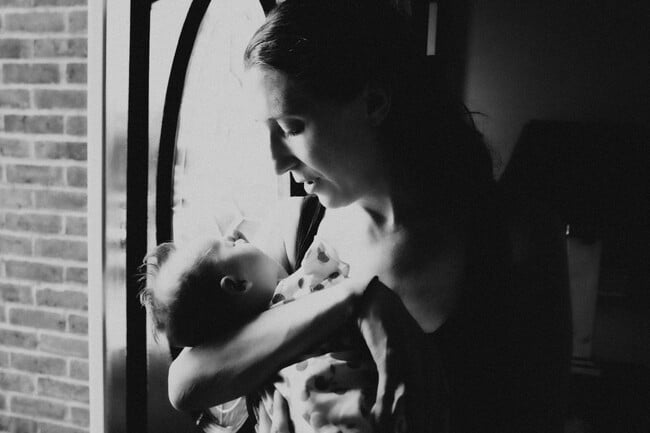
A recent national survey has uncovered that approximately 75% of mothers in the United Kingdom experience varying degrees of role confusion after giving birth. This significant finding highlights the challenges many women face while navigating their new responsibilities as parents.
The survey, conducted by the Family Dynamics Research Institute, involved responses from over 2,000 mothers across the UK. Many participants reported feelings of uncertainty regarding their identities and roles within the family unit following childbirth. This phenomenon, often termed “role confusion,” indicates a struggle to balance personal aspirations with the demands of motherhood.
Understanding Role Confusion
Role confusion can manifest in various ways, including feelings of inadequacy, anxiety, and stress. Researchers found that many mothers felt pressure to conform to societal expectations, which frequently clash with their personal experiences and desires. As one participant noted, “I felt lost in my own life. I wasn’t sure if I was still the person I used to be or if I was just a mother now.”
The implications of these findings are significant for both mental health and family dynamics. Experts emphasize that understanding and addressing role confusion is crucial for the well-being of mothers and their families. The emotional toll can affect not only the mothers but also their partners and children.
Seeking Support and Solutions
In light of these findings, many experts urge the importance of support systems for new mothers. Mental health resources, peer support groups, and open conversations about the realities of motherhood can help alleviate feelings of isolation and confusion.
Additionally, healthcare providers are encouraged to offer guidance and resources during prenatal and postnatal visits. By fostering an environment where mothers can express their concerns and seek help, the stigma around mental health in the context of motherhood can be reduced.
The survey results serve as a call to action for policymakers and healthcare professionals. It is essential to create supportive structures that acknowledge the complexities of motherhood. The challenges faced by new mothers should prompt a broader conversation about mental health, societal expectations, and the need for comprehensive support systems.
As the landscape of motherhood continues to evolve, understanding the experiences of mothers is critical. By addressing the issue of role confusion, society can better support families and promote healthier outcomes for both mothers and their children.











Belfast Gears Up for Vibrant St Patrick’s Day Parade on March 17

Cuba Faces Nationwide Blackout Amid Deepening Energy Crisis

Wirral Council to Restructure Leadership, Cutting Two Top Roles

Rethinking Resistance Training: Key Insights from US Experts

EU Membership on the Horizon: What It Means for Citizens

Ukrainian Drone Swarms Strike Moscow Region for Second Day

Henley Launches Innovative Initiative to Boost Local Economy

Court Ruling Allows Pandemic Tax Refund Claims Until 2026

Sean Penn’s Absence at 2026 Oscars Sparks Discussion

Coronation Street’s Shocking Murder Twist Reveals Family Secrets

Andrew Pierce Confirms Departure from ITV’s Good Morning Britain

Katie Price Faces New Health Concerns After Cancer Symptoms Resurface

Gyles Brandreth Shares Grandson’s Cancer Battle and Recovery

Sue Radford Reveals Weight Loss Journey, Shedding 12–13 kg

Kate Garraway Sells £2 Million Home Amid Financial Struggles

Jordan Brook Faces Health Crisis in Hospital as Sophie Kasaei Stays Away

EastEnders’ Nicola Mitchell Faces Unexpected Pregnancy Crisis

Reddit Study Reveals Distinctions Between Lurkers and Power Users
-
 World9 months ago
Coronation Street’s Shocking Murder Twist Reveals Family Secrets
-
 Entertainment9 months ago
Andrew Pierce Confirms Departure from ITV’s Good Morning Britain
-
 Health12 months ago
Katie Price Faces New Health Concerns After Cancer Symptoms Resurface
-
 Health7 months ago
Gyles Brandreth Shares Grandson’s Cancer Battle and Recovery
-
 Health7 months ago
Sue Radford Reveals Weight Loss Journey, Shedding 12–13 kg
-
 Entertainment1 year ago
Kate Garraway Sells £2 Million Home Amid Financial Struggles
-
 Entertainment5 months ago
Jordan Brook Faces Health Crisis in Hospital as Sophie Kasaei Stays Away
-
 World10 months ago
EastEnders’ Nicola Mitchell Faces Unexpected Pregnancy Crisis
-
 Science9 months ago
Reddit Study Reveals Distinctions Between Lurkers and Power Users
-

 World9 months ago
Mother Charged After Son, 9, Killed in Tragic Incident in Italy
-

 Entertainment12 months ago
Ann Ming Reflects on ITV’s ‘I Fought the Law’ Drama
-

 World9 months ago
Bailey Announces Heartbreaking Split from Rebecca After Reunion