
Health
Study Reveals Popular Sleep Aid May Impair Sleep Quality


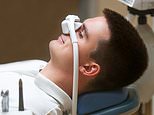
A recent study conducted by researchers at the University of Oxford has raised significant concerns about the efficacy of a common sleep aid used by millions worldwide. The findings indicate that this widely utilized medication may actually worsen sleep quality instead of enhancing it, challenging a nightly ritual for many individuals struggling with sleep issues.
The research, published in the Journal of Clinical Sleep Medicine in 2023, examined the sleep patterns of over 1,500 participants who regularly used the sleep aid. Through comprehensive analysis, the study aimed to determine the impact of the medication on overall sleep quality and duration.
Participants reported various sleep disturbances, including increased instances of wakefulness during the night and difficulty returning to sleep. The researchers noted that while many individuals believe the medication helps them to fall asleep faster, the actual quality of their sleep might be significantly compromised. This contradiction has raised alarms among health professionals who advocate for more thorough evaluations of sleep aid effectiveness.
According to the study’s lead researcher, Dr. Amy Johnson, “Our findings suggest that the sleep aid, while popular, could be contributing to a cycle of poor sleep quality. This is particularly concerning for the millions who use it as a primary solution for sleep disorders.”
The implications of this study are particularly relevant given the rising prevalence of sleep disorders across various demographics. The World Health Organization has identified sleep-related issues as a growing public health concern, emphasizing the need for effective treatment options. The reliance on medications that may not provide the intended benefits could lead to further complications in managing sleep-related health.
As discussions about sleep health continue, experts encourage individuals to explore alternative methods for improving sleep quality. Practices such as cognitive-behavioral therapy for insomnia, mindfulness, and lifestyle changes are emerging as viable options that do not rely on pharmaceutical interventions.
The study’s findings have sparked a dialogue within the medical community about the importance of reassessing commonly prescribed medications for sleep. Many health professionals advocate for individualized treatment plans that prioritize both the effectiveness and safety of sleep aids.
In conclusion, as millions navigate their nightly routines, the insights from this research underscore the importance of understanding the true effects of sleep aids. As the conversation around sleep health evolves, continued research will be crucial in informing both patients and healthcare providers about the most effective strategies for achieving restorative sleep.







Belfast Gears Up for Vibrant St Patrick’s Day Parade on March 17

Cuba Faces Nationwide Blackout Amid Deepening Energy Crisis

Wirral Council to Restructure Leadership, Cutting Two Top Roles

Rethinking Resistance Training: Key Insights from US Experts

EU Membership on the Horizon: What It Means for Citizens

Ukrainian Drone Swarms Strike Moscow Region for Second Day

Henley Launches Innovative Initiative to Boost Local Economy

Court Ruling Allows Pandemic Tax Refund Claims Until 2026

Sean Penn’s Absence at 2026 Oscars Sparks Discussion

Coronation Street’s Shocking Murder Twist Reveals Family Secrets

Andrew Pierce Confirms Departure from ITV’s Good Morning Britain

Katie Price Faces New Health Concerns After Cancer Symptoms Resurface

Sue Radford Reveals Weight Loss Journey, Shedding 12–13 kg

Kate Garraway Sells £2 Million Home Amid Financial Struggles

Jordan Brook Faces Health Crisis in Hospital as Sophie Kasaei Stays Away

EastEnders’ Nicola Mitchell Faces Unexpected Pregnancy Crisis

Bailey Announces Heartbreaking Split from Rebecca After Reunion

Ann Ming Reflects on ITV’s ‘I Fought the Law’ Drama
-
 World4 months ago
Coronation Street’s Shocking Murder Twist Reveals Family Secrets
-
 Entertainment4 months ago
Andrew Pierce Confirms Departure from ITV’s Good Morning Britain
-
 Health7 months ago
Katie Price Faces New Health Concerns After Cancer Symptoms Resurface
-
 Health2 months ago
Sue Radford Reveals Weight Loss Journey, Shedding 12–13 kg
-
 Entertainment8 months ago
Kate Garraway Sells £2 Million Home Amid Financial Struggles
-
 Entertainment3 weeks ago
Jordan Brook Faces Health Crisis in Hospital as Sophie Kasaei Stays Away
-
 World5 months ago
EastEnders’ Nicola Mitchell Faces Unexpected Pregnancy Crisis
-
 World5 months ago
Bailey Announces Heartbreaking Split from Rebecca After Reunion
-
 Entertainment7 months ago
Ann Ming Reflects on ITV’s ‘I Fought the Law’ Drama
-

 Entertainment2 months ago
Selena Gomez’s Name Linked to Epstein: Examining the Claims
-

 Health7 months ago
TOWIE Stars Sophie Kasaei and Jordan Brook Pursue Fertility Treatment
-

 Health7 months ago
Fiona Phillips’ Husband Shares Heartbreaking Update on Her Health