
Health
Study Reveals HPV Vaccine Reduces Cancer Risk for Unvaccinated Women

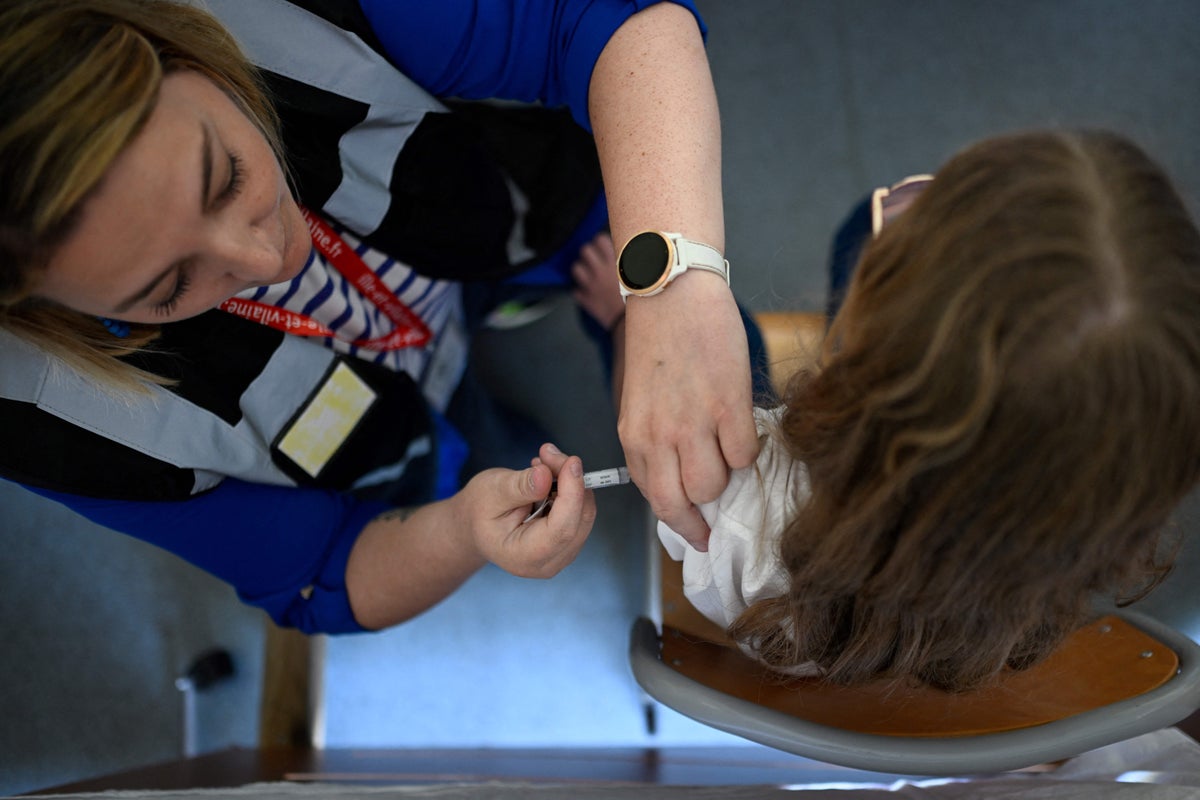
A recent study has demonstrated that high rates of school-based immunisation against human papillomavirus (HPV) can also lower the risk of pre-cancerous cell development in unvaccinated women. Researchers highlighted these findings as evidence supporting universal vaccination programmes, particularly those aimed at teenagers.
HPV, a virus transmitted through skin contact, primarily during sexual activity, is prevalent worldwide. While many strains are harmless, approximately 13 high-risk types are responsible for 99.7 percent of cervical cancers. In England, the HPV vaccine is administered to teenagers in Year 8, typically at ages 12 to 13. In addition to protecting against cervical cancer, the vaccine also guards against genital warts and head and neck cancers, including those affecting the mouth and throat.
Study Insights and Findings
The research, conducted by experts in Sweden, examined data from the national health registry, focusing on 857,168 unvaccinated women born between 1985 and 2000. The participants were categorised into four vaccination groups: those who sought the vaccine opportunistically (1985-1988), those involved in subsidised programmes (1989-1992), those eligible for catch-up programmes (1993-1998), and those receiving school-based vaccinations (1999-2000).
The study specifically investigated the rates of high-grade cervical lesions—severely abnormal cells on the cervix caused by chronic HPV infection, which can lead to cancer if untreated. Researchers observed a “substantially lower incidence” of these lesions among unvaccinated women who were exposed to school-based vaccination compared to those in the opportunistic vaccination group. Women born between 1999 and 2000 who did not receive the vaccination in school exhibited approximately half the risk of developing serious pre-cancerous changes compared to their counterparts born between 1985 and 1988.
The researchers stated, “When combined with existing evidence, our findings support that high HPV vaccination coverage substantially reduces the incidence of high-grade cervical lesions in both the vaccinated population, through direct protection, and the unvaccinated population, through herd effects.”
Implications for Public Health Policy
The implications of this study underline the importance of expanding school-based vaccination programmes as a cost-effective public health strategy to reduce cervical cancer risk across populations. The researchers advocated for ongoing efforts in universal vaccination initiatives, particularly those targeting school-aged individuals, to maximise the benefits of HPV vaccination.
In line with these findings, the NHS aims to increase the uptake of the HPV vaccine among girls to 90 percent as part of its strategy to eliminate cervical cancer by 2040. Recent data revealed that in the 2023/24 academic year, approximately 76.7 percent of girls and 71.2 percent of boys aged 14 to 15 were vaccinated against HPV by Year 10. Additionally, uptake in Year 8 rose to 72.9 percent among girls and 67.7 percent among boys, compared to 71.3 percent and 65.2 percent respectively from the previous year.
This study not only reinforces the critical role of HPV vaccination in protecting individual and community health but also emphasizes the necessity of sustained public health initiatives to combat cervical cancer effectively.










Belfast Gears Up for Vibrant St Patrick’s Day Parade on March 17

Cuba Faces Nationwide Blackout Amid Deepening Energy Crisis

Wirral Council to Restructure Leadership, Cutting Two Top Roles

Rethinking Resistance Training: Key Insights from US Experts

EU Membership on the Horizon: What It Means for Citizens

Ukrainian Drone Swarms Strike Moscow Region for Second Day

Henley Launches Innovative Initiative to Boost Local Economy

Court Ruling Allows Pandemic Tax Refund Claims Until 2026

Sean Penn’s Absence at 2026 Oscars Sparks Discussion

Coronation Street’s Shocking Murder Twist Reveals Family Secrets

Andrew Pierce Confirms Departure from ITV’s Good Morning Britain

Katie Price Faces New Health Concerns After Cancer Symptoms Resurface

Gyles Brandreth Shares Grandson’s Cancer Battle and Recovery

Sue Radford Reveals Weight Loss Journey, Shedding 12–13 kg

Kate Garraway Sells £2 Million Home Amid Financial Struggles

Jordan Brook Faces Health Crisis in Hospital as Sophie Kasaei Stays Away

EastEnders’ Nicola Mitchell Faces Unexpected Pregnancy Crisis

Mother Charged After Son, 9, Killed in Tragic Incident in Italy
-
 World7 months ago
Coronation Street’s Shocking Murder Twist Reveals Family Secrets
-
 Entertainment7 months ago
Andrew Pierce Confirms Departure from ITV’s Good Morning Britain
-
 Health11 months ago
Katie Price Faces New Health Concerns After Cancer Symptoms Resurface
-
 Health5 months ago
Gyles Brandreth Shares Grandson’s Cancer Battle and Recovery
-
 Health6 months ago
Sue Radford Reveals Weight Loss Journey, Shedding 12–13 kg
-
 Entertainment12 months ago
Kate Garraway Sells £2 Million Home Amid Financial Struggles
-
 Entertainment4 months ago
Jordan Brook Faces Health Crisis in Hospital as Sophie Kasaei Stays Away
-
 World8 months ago
EastEnders’ Nicola Mitchell Faces Unexpected Pregnancy Crisis
-
 World8 months ago
Mother Charged After Son, 9, Killed in Tragic Incident in Italy
-

 Entertainment11 months ago
Ann Ming Reflects on ITV’s ‘I Fought the Law’ Drama
-

 World8 months ago
Bailey Announces Heartbreaking Split from Rebecca After Reunion
-

 Entertainment5 months ago
Selena Gomez’s Name Linked to Epstein: Examining the Claims