
Health
Simple Hand Test Could Forecast Brain Ageing and Dementia Risk

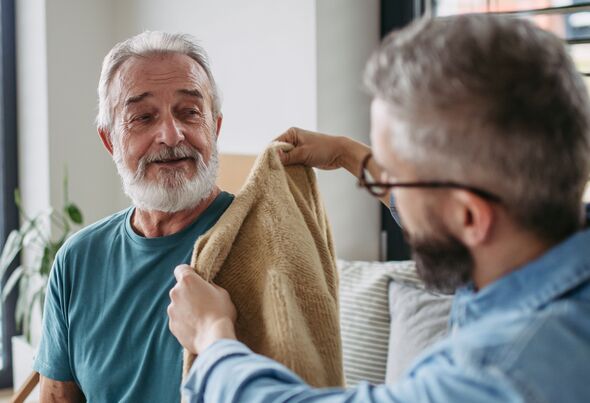
A recent revelation by neurologist Dr. Baibing Chen suggests that a simple hand test may provide insights into how the brain ages and indicate potential risks for developing dementia later in life. This finding could transform how individuals assess their cognitive health as dementia, a syndrome characterized by ongoing cognitive decline, affects millions globally.
Dementia often manifests through symptoms such as memory loss, behavioral changes, and mobility issues. Typically, diagnosis occurs only after these symptoms have persisted for some time. However, Dr. Chen, known as Dr. Bing, emphasizes that early indicators of cognitive decline can be identified through the evaluation of grip strength. In a video shared on social media platform TikTok, he explained the connection between grip strength and brain health.
“One of the simplest and strongest physical markers that you have for brain ageing and your future risk of dementia is your grip strength,” Dr. Bing noted. He clarified that while grip strength is not diagnostic of dementia, it reflects how well the brain and body coordinate. The brain must manage a complex interplay of nerves, muscles, sensation, timing, and blood flow to perform this simple action.
Dr. Chen elaborated that changes in grip strength can occur subtly over time, potentially indicating underlying issues. He observed that in certain types of dementia, such as vascular dementia or Lewy body disease, motor changes may present early. In contrast, symptoms of Alzheimer’s disease typically begin with memory loss.
Patients often report noticing other problems before acknowledging a weak grip. Dr. Bing shared, “In my clinic, patients don’t come in saying my grip is weak. They say things like, ‘I drop things more’ or ‘my hands get tired faster’ or ‘I feel slower doing everyday stuff.’” He reassured that this information should not trigger panic, emphasizing that grip strength is merely a marker and not a definitive diagnosis.
The neurologist advised that many individuals with weaker grip strength may never develop dementia. Nonetheless, he highlighted the importance of strength training, which benefits overall health, including blood flow, metabolism, and brain signaling. Regular resistance exercise can support brain health, as evidenced by a scientific review published in Frontiers in Ageing Neuroscience.
The 2021 study analyzed 15 existing studies and found that poorer grip strength correlated with a higher risk of cognitive decline and dementia. The researchers concluded, “Lower grip strength is associated with more risk of onset of cognitive decline and dementia, regardless of the subtype of dementia.” They stressed the need for early identification of cognitive dysfunction in individuals with weak grip strength.
In light of these findings, it is essential for individuals to be aware of early dementia symptoms. According to the NHS, these may include memory loss, difficulty in completing familiar tasks, and changes in mood or personality. If you or someone you know is experiencing symptoms of dementia, consulting a healthcare professional is advisable for further evaluation and support.

Belfast Gears Up for Vibrant St Patrick’s Day Parade on March 17

Cuba Faces Nationwide Blackout Amid Deepening Energy Crisis

Wirral Council to Restructure Leadership, Cutting Two Top Roles

Rethinking Resistance Training: Key Insights from US Experts

EU Membership on the Horizon: What It Means for Citizens

Ukrainian Drone Swarms Strike Moscow Region for Second Day

Henley Launches Innovative Initiative to Boost Local Economy

Court Ruling Allows Pandemic Tax Refund Claims Until 2026

Sean Penn’s Absence at 2026 Oscars Sparks Discussion

Coronation Street’s Shocking Murder Twist Reveals Family Secrets

Andrew Pierce Confirms Departure from ITV’s Good Morning Britain

Katie Price Faces New Health Concerns After Cancer Symptoms Resurface

Sue Radford Reveals Weight Loss Journey, Shedding 12–13 kg

Kate Garraway Sells £2 Million Home Amid Financial Struggles

Jordan Brook Faces Health Crisis in Hospital as Sophie Kasaei Stays Away

EastEnders’ Nicola Mitchell Faces Unexpected Pregnancy Crisis

Bailey Announces Heartbreaking Split from Rebecca After Reunion

Ann Ming Reflects on ITV’s ‘I Fought the Law’ Drama
-
 World4 months ago
Coronation Street’s Shocking Murder Twist Reveals Family Secrets
-
 Entertainment4 months ago
Andrew Pierce Confirms Departure from ITV’s Good Morning Britain
-
 Health7 months ago
Katie Price Faces New Health Concerns After Cancer Symptoms Resurface
-
 Health3 months ago
Sue Radford Reveals Weight Loss Journey, Shedding 12–13 kg
-
 Entertainment8 months ago
Kate Garraway Sells £2 Million Home Amid Financial Struggles
-
 Entertainment4 weeks ago
Jordan Brook Faces Health Crisis in Hospital as Sophie Kasaei Stays Away
-
 World5 months ago
EastEnders’ Nicola Mitchell Faces Unexpected Pregnancy Crisis
-
 World5 months ago
Bailey Announces Heartbreaking Split from Rebecca After Reunion
-
 Entertainment7 months ago
Ann Ming Reflects on ITV’s ‘I Fought the Law’ Drama
-

 Entertainment2 months ago
Selena Gomez’s Name Linked to Epstein: Examining the Claims
-

 Health7 months ago
TOWIE Stars Sophie Kasaei and Jordan Brook Pursue Fertility Treatment
-

 Health8 months ago
Fiona Phillips’ Husband Shares Heartbreaking Update on Her Health