
Health
Researchers Unveil Groundbreaking Method to Assess Antibiotic Efficacy

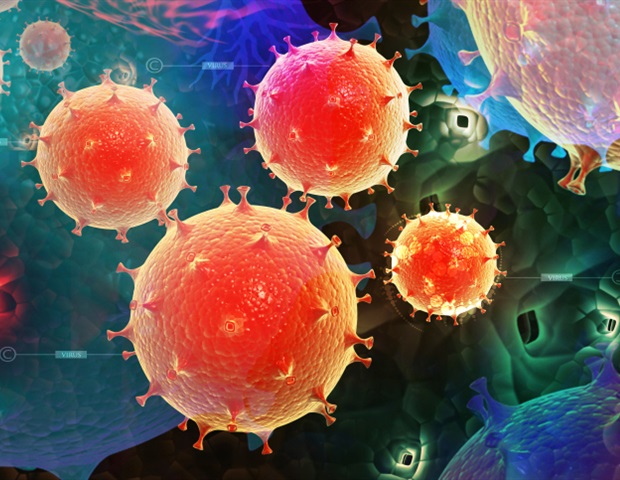
Innovative research from the University of Basel has led to the development of a new method for measuring the effectiveness of antibiotics against bacteria. Traditional assessments primarily focus on how well these drugs inhibit bacterial growth in laboratory settings. However, understanding whether antibiotics can actually kill pathogens within the body is crucial in the fight against antibiotic-resistant bacteria, which pose significant public health challenges.
Antibiotic resistance has emerged as one of the foremost health issues globally, with bacteria increasingly developing mutations that render common drugs ineffective. Even in cases where resistance is not an immediate concern, bacteria can enter dormant states that allow them to withstand antibiotic treatment. This phenomenon complicates the treatment of serious infections, such as tuberculosis, which require prolonged therapy.
New Testing Method Offers Insight into Antibiotic Action
Researchers led by Dr. Lucas Boeck from the Department of Biomedicine at the University of Basel and University Hospital Basel have introduced a method they term “antimicrobial single-cell testing.” This technique leverages microscopic imaging to monitor millions of individual bacteria across thousands of conditions.
“Our approach allows us to film each bacterium over several days, providing insights into whether and how quickly a drug kills it,” explained Dr. Boeck. This method allows researchers to measure the proportion of the bacterial population eliminated by treatment, offering a clearer picture of antibiotic efficacy.
The research team applied this method to evaluate 65 different combination therapies targeting the tuberculosis pathogen Mycobacterium tuberculosis. Additionally, they examined bacterial samples from 400 patients suffering from complex lung infections caused by Mycobacterium abscessus, which is closely related to the tuberculosis pathogen.
The findings revealed significant differences in treatment responses, both between various therapies and among different bacterial strains from individual patients. Experts refer to the latter as antibiotic tolerance, which can significantly impact patient outcomes.
Implications for Patient Care and Drug Development
The implications of this new method extend beyond laboratory research. The ability to tailor antibiotic therapies to the specific bacterial strains present in individual patients could enhance treatment success rates. Dr. Boeck noted that understanding the genetic factors influencing antibiotic tolerance may lead to faster and simpler testing methods in the future.
“Better insights into how bacteria survive antibiotic treatment can pave the way for developing new and more effective therapies,” he added.
The research team’s findings are documented in the scientific journal Nature Microbiology, with the study expected to influence both clinical practices and pharmaceutical development significantly. As the battle against antibiotic-resistant bacteria intensifies, this new testing method stands to improve patient outcomes and aid in the creation of effective treatment strategies.
In summary, as antibiotic resistance continues to escalate, innovative approaches like antimicrobial single-cell testing offer hope for better management of infectious diseases, ensuring that antibiotics remain a viable treatment option in the future.




Belfast Gears Up for Vibrant St Patrick’s Day Parade on March 17

Cuba Faces Nationwide Blackout Amid Deepening Energy Crisis

Wirral Council to Restructure Leadership, Cutting Two Top Roles

Rethinking Resistance Training: Key Insights from US Experts

EU Membership on the Horizon: What It Means for Citizens

Ukrainian Drone Swarms Strike Moscow Region for Second Day

Henley Launches Innovative Initiative to Boost Local Economy

Court Ruling Allows Pandemic Tax Refund Claims Until 2026

Sean Penn’s Absence at 2026 Oscars Sparks Discussion

Coronation Street’s Shocking Murder Twist Reveals Family Secrets

Andrew Pierce Confirms Departure from ITV’s Good Morning Britain

Katie Price Faces New Health Concerns After Cancer Symptoms Resurface

Gyles Brandreth Shares Grandson’s Cancer Battle and Recovery

Sue Radford Reveals Weight Loss Journey, Shedding 12–13 kg

Kate Garraway Sells £2 Million Home Amid Financial Struggles

Jordan Brook Faces Health Crisis in Hospital as Sophie Kasaei Stays Away

EastEnders’ Nicola Mitchell Faces Unexpected Pregnancy Crisis

Mother Charged After Son, 9, Killed in Tragic Incident in Italy
-
 World7 months ago
Coronation Street’s Shocking Murder Twist Reveals Family Secrets
-
 Entertainment7 months ago
Andrew Pierce Confirms Departure from ITV’s Good Morning Britain
-
 Health11 months ago
Katie Price Faces New Health Concerns After Cancer Symptoms Resurface
-
 Health5 months ago
Gyles Brandreth Shares Grandson’s Cancer Battle and Recovery
-
 Health6 months ago
Sue Radford Reveals Weight Loss Journey, Shedding 12–13 kg
-
 Entertainment12 months ago
Kate Garraway Sells £2 Million Home Amid Financial Struggles
-
 Entertainment4 months ago
Jordan Brook Faces Health Crisis in Hospital as Sophie Kasaei Stays Away
-
 World8 months ago
EastEnders’ Nicola Mitchell Faces Unexpected Pregnancy Crisis
-
 World8 months ago
Mother Charged After Son, 9, Killed in Tragic Incident in Italy
-

 Entertainment11 months ago
Ann Ming Reflects on ITV’s ‘I Fought the Law’ Drama
-

 World8 months ago
Bailey Announces Heartbreaking Split from Rebecca After Reunion
-

 Entertainment5 months ago
Selena Gomez’s Name Linked to Epstein: Examining the Claims