
Health
Pregnancy Raises Risk of Brain Malformation Ruptures, Study Finds

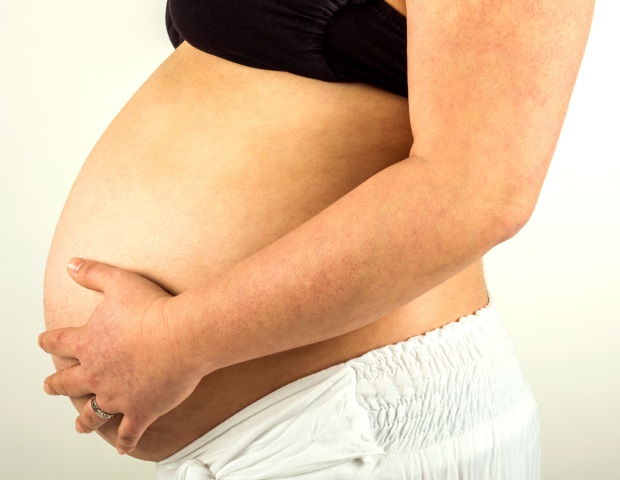
Pregnancy significantly increases the risk of rupture for brain arteriovenous malformations (AVMs), according to new research presented at the Society of NeuroInterventional Surgery’s (SNIS) 22nd Annual Meeting. These abnormal connections between arteries and veins can lead to serious brain injuries or even death if they rupture. The study highlights the impact of hormonal changes and increased blood volume during pregnancy, which can place additional strain on both the body and the brain.
Researchers from the University of Mississippi Medical Center in Jackson, Mississippi, investigated how pregnancy affects three specific brain conditions prone to ruptures: arteriovenous malformations, brain aneurysms, and cavernous malformations. Each of these conditions can lead to severe complications if not properly managed during pregnancy.
Study Overview and Findings
The research, titled “Rupture Risk of Intracranial Vascular Malformations During Pregnancy: A Systematic Review and Meta-analysis,” reviewed a total of 5,609 journal articles from various academic databases discussing pregnant women affected by these conditions. Ultimately, the team selected 15 articles for statistical analysis.
The researchers focused on grouping patients based on whether they experienced a rupture during their pregnancy. Their analysis revealed that pregnancy did not significantly alter the rupture rates for women with brain aneurysms and cavernous malformations. However, the risk was markedly higher for pregnant women diagnosed with arteriovenous malformations, indicating a need for heightened awareness and management of this condition.
Evan Bowen, a medical student at the University of Mississippi Medical Center, emphasized the importance of these findings. He stated, “These findings show that we still have much to learn about how pregnancy affects the brain. We need more research into these effects and their potential causes so that doctors can more precisely target how to treat pregnant women with these and other serious health conditions.”
Implications for Healthcare Providers
These findings underscore the necessity for healthcare providers to monitor pregnant women with AVMs more closely. The study suggests that tailored treatment plans and proactive management strategies could help mitigate the risks associated with these conditions during pregnancy.
As researchers continue to explore the implications of pregnancy on brain health, the focus will likely shift towards developing comprehensive care guidelines. This research not only sheds light on the challenges faced by pregnant women with brain vascular malformations but also highlights the critical need for further studies to improve outcomes for both mothers and their children.


Belfast Gears Up for Vibrant St Patrick’s Day Parade on March 17

Cuba Faces Nationwide Blackout Amid Deepening Energy Crisis

Wirral Council to Restructure Leadership, Cutting Two Top Roles

Rethinking Resistance Training: Key Insights from US Experts

EU Membership on the Horizon: What It Means for Citizens

Ukrainian Drone Swarms Strike Moscow Region for Second Day

Henley Launches Innovative Initiative to Boost Local Economy

Court Ruling Allows Pandemic Tax Refund Claims Until 2026

Sean Penn’s Absence at 2026 Oscars Sparks Discussion

Coronation Street’s Shocking Murder Twist Reveals Family Secrets

Andrew Pierce Confirms Departure from ITV’s Good Morning Britain

Katie Price Faces New Health Concerns After Cancer Symptoms Resurface

Gyles Brandreth Shares Grandson’s Cancer Battle and Recovery

Sue Radford Reveals Weight Loss Journey, Shedding 12–13 kg

Kate Garraway Sells £2 Million Home Amid Financial Struggles

Jordan Brook Faces Health Crisis in Hospital as Sophie Kasaei Stays Away

EastEnders’ Nicola Mitchell Faces Unexpected Pregnancy Crisis

Mother Charged After Son, 9, Killed in Tragic Incident in Italy
-
 World7 months ago
Coronation Street’s Shocking Murder Twist Reveals Family Secrets
-
 Entertainment7 months ago
Andrew Pierce Confirms Departure from ITV’s Good Morning Britain
-
 Health10 months ago
Katie Price Faces New Health Concerns After Cancer Symptoms Resurface
-
 Health5 months ago
Gyles Brandreth Shares Grandson’s Cancer Battle and Recovery
-
 Health5 months ago
Sue Radford Reveals Weight Loss Journey, Shedding 12–13 kg
-
 Entertainment11 months ago
Kate Garraway Sells £2 Million Home Amid Financial Struggles
-
 Entertainment4 months ago
Jordan Brook Faces Health Crisis in Hospital as Sophie Kasaei Stays Away
-
 World8 months ago
EastEnders’ Nicola Mitchell Faces Unexpected Pregnancy Crisis
-
 World8 months ago
Mother Charged After Son, 9, Killed in Tragic Incident in Italy
-

 Entertainment10 months ago
Ann Ming Reflects on ITV’s ‘I Fought the Law’ Drama
-

 World8 months ago
Bailey Announces Heartbreaking Split from Rebecca After Reunion
-

 Entertainment5 months ago
Selena Gomez’s Name Linked to Epstein: Examining the Claims