
Health
NHS Issues 10-Day Protocol for Positive COVID-19 Tests

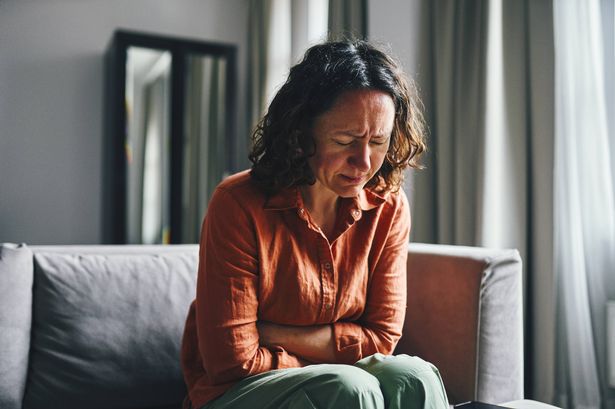
The NHS has announced a new 10-day protocol for individuals who test positive for Covid-19. This guidance comes as the UK continues to experience a prevalence of the virus, despite a recent decline in cases. The UK Health Security Agency (UKHSA) reported a decrease in hospital admissions and positivity rates for the week beginning October 27, 2023, as the country navigates ongoing challenges related to the pandemic.
According to the latest data from the UKHSA, the average weekly positivity rate for Covid-19 in hospital settings was 5.7 percent, down from 7.7 percent the previous week. Hospital admissions also fell, with a rate of 2.22 per 100,000 compared to 2.51 per 100,000 the week prior. Notably, individuals aged 85 and older experienced the highest admission rate, which decreased from 28.59 per 100,000 to 22.71 per 100,000.
The NHS has outlined specific recommendations for those who receive a positive test result. On its official website, the NHS states that “most” individuals do not need to conduct a Covid-19 rapid lateral flow test if they exhibit symptoms. However, if a test is taken and results positive, the following guidelines should be observed:
– **Avoid close contact** with individuals who are more susceptible to severe illness, such as those with weakened immune systems, for 10 days following the test date.
– For individuals under 18 years old, it is advised to stay home and limit contact with others for three days.
– Adults aged 18 and over should remain home and avoid contact for five days.
Understanding Symptoms and Management
Symptoms of Covid-19 can vary and may include:
– A high temperature or chills
– A new, continuous cough
– Loss or change of taste or smell
– Shortness of breath
– Fatigue
– Aches and pains
– Headaches
– Sore throat
– Runny or blocked nose
– Loss of appetite
– Diarrhoea
– Nausea or vomiting
The NHS emphasizes that these symptoms often overlap with those of other conditions, such as colds and flu. Most individuals recover within a few weeks, but for some, symptoms can persist longer and may lead to more serious health complications.
To manage symptoms effectively, the NHS recommends:
– Ensuring adequate rest.
– Staying hydrated by drinking enough fluids to keep urine light yellow or clear.
– Taking paracetamol or ibuprofen for discomfort.
– For cough relief, a teaspoon of honey may be effective, though it should not be given to children under 12 months.
– To ease breathlessness, reducing room temperature or opening a window can help. Techniques for managing breathlessness include slow, controlled breathing and maintaining an upright position in a chair.
The NHS advises against lying flat if experiencing a cough, instead recommending a side position or sitting upright. It is also important to avoid using a fan in the room, as it may spread the virus.
For further information and updates, individuals are encouraged to visit the NHS website.










Belfast Gears Up for Vibrant St Patrick’s Day Parade on March 17

Cuba Faces Nationwide Blackout Amid Deepening Energy Crisis

Wirral Council to Restructure Leadership, Cutting Two Top Roles

Rethinking Resistance Training: Key Insights from US Experts

EU Membership on the Horizon: What It Means for Citizens

Ukrainian Drone Swarms Strike Moscow Region for Second Day

Henley Launches Innovative Initiative to Boost Local Economy

Court Ruling Allows Pandemic Tax Refund Claims Until 2026

Sean Penn’s Absence at 2026 Oscars Sparks Discussion

Coronation Street’s Shocking Murder Twist Reveals Family Secrets

Andrew Pierce Confirms Departure from ITV’s Good Morning Britain

Katie Price Faces New Health Concerns After Cancer Symptoms Resurface

Gyles Brandreth Shares Grandson’s Cancer Battle and Recovery

Sue Radford Reveals Weight Loss Journey, Shedding 12–13 kg

Kate Garraway Sells £2 Million Home Amid Financial Struggles

Jordan Brook Faces Health Crisis in Hospital as Sophie Kasaei Stays Away

EastEnders’ Nicola Mitchell Faces Unexpected Pregnancy Crisis

Reddit Study Reveals Distinctions Between Lurkers and Power Users
-
 World8 months ago
Coronation Street’s Shocking Murder Twist Reveals Family Secrets
-
 Entertainment8 months ago
Andrew Pierce Confirms Departure from ITV’s Good Morning Britain
-
 Health12 months ago
Katie Price Faces New Health Concerns After Cancer Symptoms Resurface
-
 Health7 months ago
Gyles Brandreth Shares Grandson’s Cancer Battle and Recovery
-
 Health7 months ago
Sue Radford Reveals Weight Loss Journey, Shedding 12–13 kg
-
 Entertainment1 year ago
Kate Garraway Sells £2 Million Home Amid Financial Struggles
-
 Entertainment5 months ago
Jordan Brook Faces Health Crisis in Hospital as Sophie Kasaei Stays Away
-
 World10 months ago
EastEnders’ Nicola Mitchell Faces Unexpected Pregnancy Crisis
-
 Science8 months ago
Reddit Study Reveals Distinctions Between Lurkers and Power Users
-

 World9 months ago
Mother Charged After Son, 9, Killed in Tragic Incident in Italy
-

 Entertainment12 months ago
Ann Ming Reflects on ITV’s ‘I Fought the Law’ Drama
-

 World9 months ago
Bailey Announces Heartbreaking Split from Rebecca After Reunion