
Health
New Treatment Reduces Kidney Cancer Recurrence Risk After Surgery

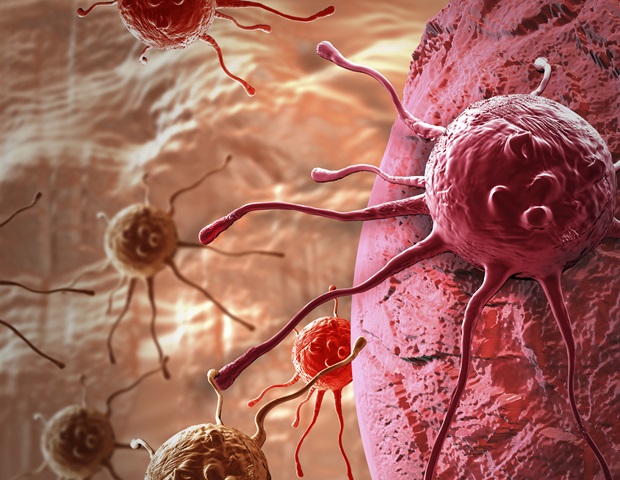
Patients diagnosed with a prevalent form of kidney cancer known as clear cell renal cell carcinoma (ccRCC) may soon have a more effective treatment option following surgery. New findings from the phase 3 LITESPARK-022 study reveal that combining the oral medication belzutifan, a HIF-2α inhibitor, with the standard immune therapy pembrolizumab significantly improves disease-free survival rates for high-risk patients. The results were presented by Dr. Toni Choueiri of Dana-Farber Cancer Institute at the 2026 American Society of Clinical Oncology Genitourinary Cancers Symposium (ASCO GU) held in San Francisco, California, from February 26-28, 2026.
Previously, research led by Dr. Choueiri demonstrated that pembrolizumab alone could decrease the risk of death and disease progression among patients with advanced kidney cancer post-surgery. This immune checkpoint inhibitor enhances the immune system’s ability to detect and combat cancer cells. Despite its effectiveness, approximately 20% of patients treated with pembrolizumab experience a relapse. The LITESPARK-022 study aimed to enhance survival rates by combining immune therapy with belzutifan for those deemed at high risk for recurrence.
“Many patients with high-risk kidney cancer face recurrence within five years after surgery due to undetected microscopic cancer cells,” Dr. Choueiri noted. “We need new therapies that can work together to better prevent the cancer from coming back.”
Belzutifan operates by inhibiting HIF-2α, a protein that is excessively present in ccRCC cells and promotes tumor growth. Notably, Dr. William G. Kaelin, Jr., a collaborator at Dana-Farber, received the Nobel Prize in Physiology or Medicine in 2019 for his contributions to the science underlying belzutifan’s development.
Details of the LITESPARK-022 Study
The LITESPARK-022 study involved a global, multicenter, double-blind, randomized trial with a total of 1,841 participants who had undergone surgery to remove their tumors and exhibited no signs of active cancer, yet remained at elevated risk for recurrence. Participants were randomly assigned to receive either a combination of pembrolizumab and belzutifan or pembrolizumab alongside a placebo.
With a median follow-up period of 28.4 months, results indicated that the combination therapy resulted in a 28% reduction in the risk of recurrence. Approximately 81% of those receiving the belzutifan and pembrolizumab regimen remained cancer-free, compared to 74% of those receiving the standard care. Side effects observed were consistent with previous studies, although the research has yet to determine if the addition of belzutifan positively impacts overall survival rates.
“Individuals at high risk of ccRCC recurrence following surgery may now have a new option to mitigate that risk,” Dr. Choueiri affirmed. “In this study, the combination of belzutifan with pembrolizumab effectively reduces the chances of recurrence compared to the current standard treatment of pembrolizumab alone.”
The promising results of the LITESPARK-022 study may pave the way for enhanced treatment protocols for patients battling ccRCC, offering hope to those facing the daunting prospect of cancer recurrence after surgery.






Belfast Gears Up for Vibrant St Patrick’s Day Parade on March 17

Cuba Faces Nationwide Blackout Amid Deepening Energy Crisis

Wirral Council to Restructure Leadership, Cutting Two Top Roles

Rethinking Resistance Training: Key Insights from US Experts

EU Membership on the Horizon: What It Means for Citizens

Ukrainian Drone Swarms Strike Moscow Region for Second Day

Henley Launches Innovative Initiative to Boost Local Economy

Court Ruling Allows Pandemic Tax Refund Claims Until 2026

Sean Penn’s Absence at 2026 Oscars Sparks Discussion

Coronation Street’s Shocking Murder Twist Reveals Family Secrets

Andrew Pierce Confirms Departure from ITV’s Good Morning Britain

Katie Price Faces New Health Concerns After Cancer Symptoms Resurface

Sue Radford Reveals Weight Loss Journey, Shedding 12–13 kg

Kate Garraway Sells £2 Million Home Amid Financial Struggles

Jordan Brook Faces Health Crisis in Hospital as Sophie Kasaei Stays Away

EastEnders’ Nicola Mitchell Faces Unexpected Pregnancy Crisis

Bailey Announces Heartbreaking Split from Rebecca After Reunion

Ann Ming Reflects on ITV’s ‘I Fought the Law’ Drama
-
 World4 months ago
Coronation Street’s Shocking Murder Twist Reveals Family Secrets
-
 Entertainment4 months ago
Andrew Pierce Confirms Departure from ITV’s Good Morning Britain
-
 Health7 months ago
Katie Price Faces New Health Concerns After Cancer Symptoms Resurface
-
 Health2 months ago
Sue Radford Reveals Weight Loss Journey, Shedding 12–13 kg
-
 Entertainment8 months ago
Kate Garraway Sells £2 Million Home Amid Financial Struggles
-
 Entertainment3 weeks ago
Jordan Brook Faces Health Crisis in Hospital as Sophie Kasaei Stays Away
-
 World5 months ago
EastEnders’ Nicola Mitchell Faces Unexpected Pregnancy Crisis
-
 World5 months ago
Bailey Announces Heartbreaking Split from Rebecca After Reunion
-
 Entertainment7 months ago
Ann Ming Reflects on ITV’s ‘I Fought the Law’ Drama
-

 Entertainment2 months ago
Selena Gomez’s Name Linked to Epstein: Examining the Claims
-

 Health7 months ago
TOWIE Stars Sophie Kasaei and Jordan Brook Pursue Fertility Treatment
-

 Health7 months ago
Fiona Phillips’ Husband Shares Heartbreaking Update on Her Health