
Health
New Junk Food Advertising Ban Takes Effect to Combat Childhood Obesity

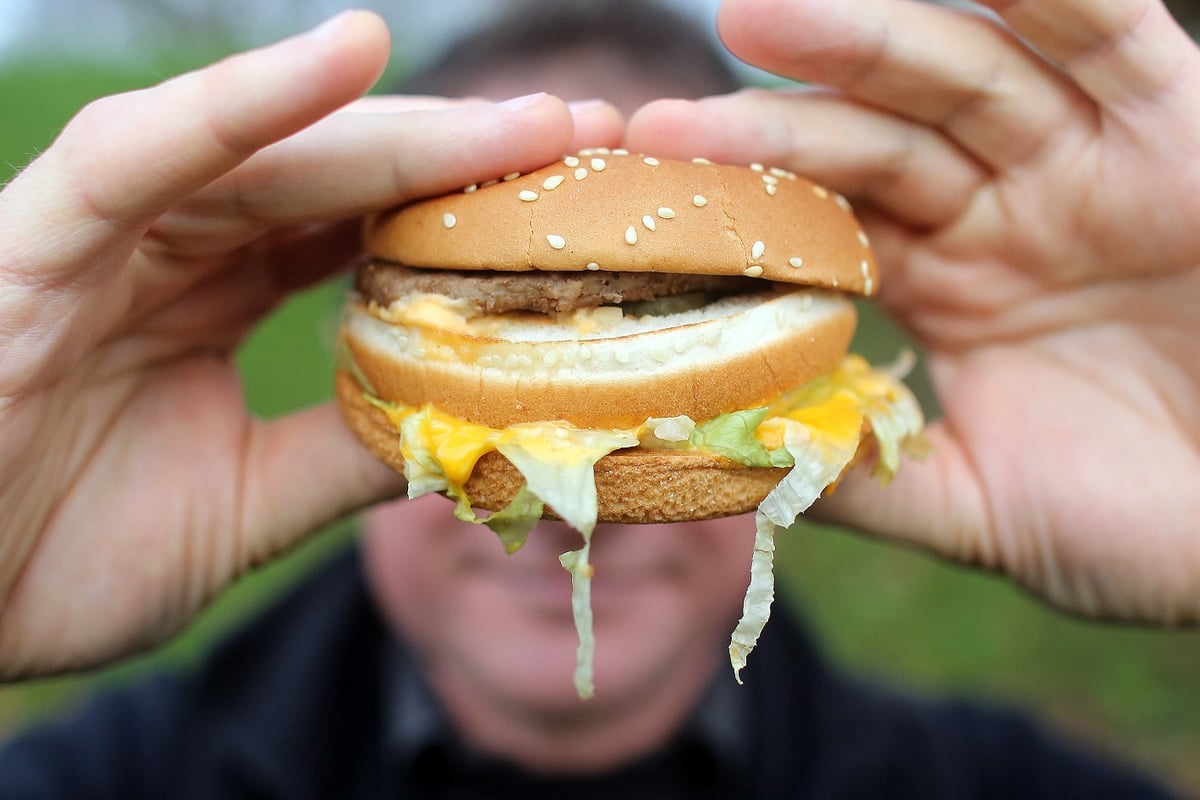
A significant change in advertising regulations has taken place in the United Kingdom as a new ban on junk food advertising comes into effect. This legislation prohibits the advertisement of unhealthy food products on television before 9 p.m.. The decision aims to address the escalating issue of childhood obesity, which has become a major health concern across the nation.
The ban specifically targets foods high in fat, sugar, and salt, which are often marketed to children. According to the Government of the United Kingdom, this initiative is a vital step towards promoting healthier eating habits among the younger population. Advertising of items such as sugary cereals, fast food, and sweets will no longer be permitted during children’s viewing hours.
Impact on Children’s Health and Advertising Landscape
Public Health England has supported this initiative, highlighting that reducing exposure to junk food advertisements can significantly influence children’s dietary choices. The organization has reported that approximately one in three children in the UK is classified as overweight or obese by the time they leave primary school. This alarming statistic emphasizes the necessity for preventive measures that target the factors contributing to unhealthy lifestyles.
The new regulations will reshape the advertising landscape, compelling companies to rethink their marketing strategies. Brands will now need to adjust their promotional content to comply with the restrictions. This shift could lead to a decline in sales for some junk food products, influencing revenue streams for manufacturers and retailers that rely on advertising to drive consumer engagement.
Full List of Prohibited Items
The items that will be removed from television screens before 9 p.m. include a wide range of products. Some of the most notable categories affected are:
– Sugary breakfast cereals
– Soft drinks with high sugar content
– Fast food items
– Snack foods such as chips and sweets
– Ice cream and desserts high in sugar
As part of the new regulations, the Ofcom authority will oversee compliance and enforcement. Companies found in violation of these rules could face substantial penalties, reinforcing the importance of adhering to public health guidelines.
The ban has sparked discussions among parents, health advocates, and industry stakeholders. While many parents welcome the change as a positive step toward healthier choices for their children, some industry representatives express concerns about the economic impact on businesses reliant on advertising.
In summary, the implementation of the junk food advertising ban represents a pivotal moment in the UK’s public health efforts. By limiting children’s exposure to unhealthy food promotions, the government aims to foster a healthier future generation. The effectiveness of this initiative will be closely monitored, as stakeholders assess its impact on childhood obesity rates and overall dietary behaviors.









Belfast Gears Up for Vibrant St Patrick’s Day Parade on March 17

Cuba Faces Nationwide Blackout Amid Deepening Energy Crisis

Wirral Council to Restructure Leadership, Cutting Two Top Roles

Rethinking Resistance Training: Key Insights from US Experts

EU Membership on the Horizon: What It Means for Citizens

Ukrainian Drone Swarms Strike Moscow Region for Second Day

Henley Launches Innovative Initiative to Boost Local Economy

Court Ruling Allows Pandemic Tax Refund Claims Until 2026

Sean Penn’s Absence at 2026 Oscars Sparks Discussion

Coronation Street’s Shocking Murder Twist Reveals Family Secrets

Andrew Pierce Confirms Departure from ITV’s Good Morning Britain

Katie Price Faces New Health Concerns After Cancer Symptoms Resurface

Sue Radford Reveals Weight Loss Journey, Shedding 12–13 kg

Kate Garraway Sells £2 Million Home Amid Financial Struggles

Jordan Brook Faces Health Crisis in Hospital as Sophie Kasaei Stays Away

EastEnders’ Nicola Mitchell Faces Unexpected Pregnancy Crisis

Bailey Announces Heartbreaking Split from Rebecca After Reunion

Ann Ming Reflects on ITV’s ‘I Fought the Law’ Drama
-
 World4 months ago
Coronation Street’s Shocking Murder Twist Reveals Family Secrets
-
 Entertainment4 months ago
Andrew Pierce Confirms Departure from ITV’s Good Morning Britain
-
 Health7 months ago
Katie Price Faces New Health Concerns After Cancer Symptoms Resurface
-
 Health3 months ago
Sue Radford Reveals Weight Loss Journey, Shedding 12–13 kg
-
 Entertainment8 months ago
Kate Garraway Sells £2 Million Home Amid Financial Struggles
-
 Entertainment4 weeks ago
Jordan Brook Faces Health Crisis in Hospital as Sophie Kasaei Stays Away
-
 World5 months ago
EastEnders’ Nicola Mitchell Faces Unexpected Pregnancy Crisis
-
 World5 months ago
Bailey Announces Heartbreaking Split from Rebecca After Reunion
-
 Entertainment7 months ago
Ann Ming Reflects on ITV’s ‘I Fought the Law’ Drama
-

 Entertainment2 months ago
Selena Gomez’s Name Linked to Epstein: Examining the Claims
-

 Health7 months ago
TOWIE Stars Sophie Kasaei and Jordan Brook Pursue Fertility Treatment
-

 Health8 months ago
Fiona Phillips’ Husband Shares Heartbreaking Update on Her Health