
Health
Junior Doctor Strikes Threaten NHS with £1 Billion Loss

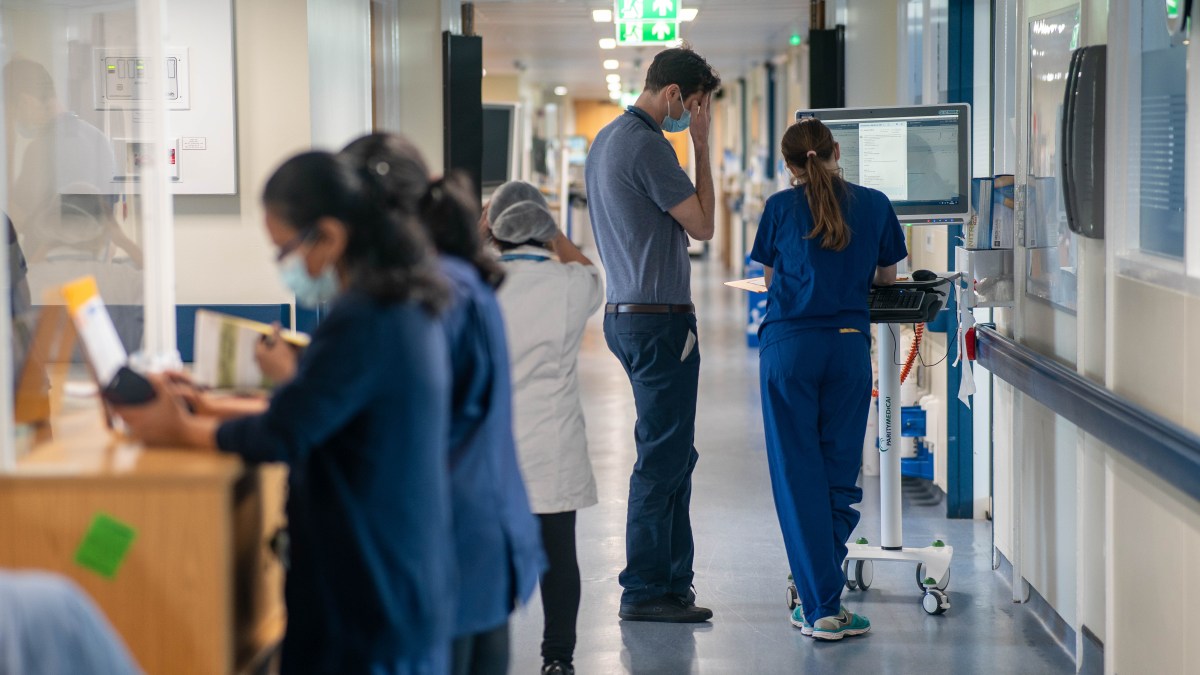
The ongoing strikes by junior doctors in the United Kingdom could potentially cost the National Health Service (NHS) approximately £1 billion over the next three years. This alarming projection highlights the significant financial burden that industrial action can impose on an already strained healthcare system.
According to analysis from The Health Foundation, the NHS faces an even greater challenge: a looming £20 billion funding gap if it does not meet its productivity targets. The combination of increased costs from strikes and the potential shortfall in funding presents a serious threat to the sustainability of health services in the UK.
The strikes, which began earlier this year, are a response to ongoing disputes over pay and working conditions. Junior doctors have expressed concerns about their salaries, which they argue have not kept pace with inflation. The impact of these strikes has been felt widely, with thousands of procedures postponed and significant delays in patient care reported across various hospitals.
As the situation develops, the NHS is under pressure to find solutions that will not only address the immediate impacts of the strikes but also ensure long-term stability. The financial implications of failing to resolve these disputes are considerable, particularly as the NHS aims to recover from the pressures experienced during the COVID-19 pandemic.
The Health Foundation’s analysis suggests that without strategic interventions and improvements in productivity, the NHS may struggle to maintain its current level of service. The organization has emphasized the need for urgent discussions between healthcare leaders and junior doctors to negotiate a resolution that addresses both pay and working conditions.
In light of these developments, the future of the NHS remains uncertain. The potential for further strikes and continued disruption could lead to additional financial strain, complicating the already challenging landscape of health service delivery in the UK. The government and health authorities must act swiftly to avert a crisis that could have far-reaching effects on public health and wellbeing.
As negotiations continue, both patients and healthcare workers are closely monitoring the situation, hoping for a resolution that prioritizes the needs of the NHS while ensuring fair treatment for those who dedicate their careers to healthcare.













Belfast Gears Up for Vibrant St Patrick’s Day Parade on March 17

Cuba Faces Nationwide Blackout Amid Deepening Energy Crisis

Wirral Council to Restructure Leadership, Cutting Two Top Roles

Rethinking Resistance Training: Key Insights from US Experts

EU Membership on the Horizon: What It Means for Citizens

Ukrainian Drone Swarms Strike Moscow Region for Second Day

Henley Launches Innovative Initiative to Boost Local Economy

Court Ruling Allows Pandemic Tax Refund Claims Until 2026

Sean Penn’s Absence at 2026 Oscars Sparks Discussion

Coronation Street’s Shocking Murder Twist Reveals Family Secrets

Andrew Pierce Confirms Departure from ITV’s Good Morning Britain

Katie Price Faces New Health Concerns After Cancer Symptoms Resurface

Gyles Brandreth Shares Grandson’s Cancer Battle and Recovery

Sue Radford Reveals Weight Loss Journey, Shedding 12–13 kg

Kate Garraway Sells £2 Million Home Amid Financial Struggles

Jordan Brook Faces Health Crisis in Hospital as Sophie Kasaei Stays Away

EastEnders’ Nicola Mitchell Faces Unexpected Pregnancy Crisis

Mother Charged After Son, 9, Killed in Tragic Incident in Italy
-
 World7 months ago
Coronation Street’s Shocking Murder Twist Reveals Family Secrets
-
 Entertainment7 months ago
Andrew Pierce Confirms Departure from ITV’s Good Morning Britain
-
 Health10 months ago
Katie Price Faces New Health Concerns After Cancer Symptoms Resurface
-
 Health5 months ago
Gyles Brandreth Shares Grandson’s Cancer Battle and Recovery
-
 Health6 months ago
Sue Radford Reveals Weight Loss Journey, Shedding 12–13 kg
-
 Entertainment11 months ago
Kate Garraway Sells £2 Million Home Amid Financial Struggles
-
 Entertainment4 months ago
Jordan Brook Faces Health Crisis in Hospital as Sophie Kasaei Stays Away
-
 World8 months ago
EastEnders’ Nicola Mitchell Faces Unexpected Pregnancy Crisis
-
 World8 months ago
Mother Charged After Son, 9, Killed in Tragic Incident in Italy
-

 Entertainment10 months ago
Ann Ming Reflects on ITV’s ‘I Fought the Law’ Drama
-

 World8 months ago
Bailey Announces Heartbreaking Split from Rebecca After Reunion
-

 Entertainment5 months ago
Selena Gomez’s Name Linked to Epstein: Examining the Claims