
Health
Controlling Behavior Impacts Lives: Insights from a Psychologist

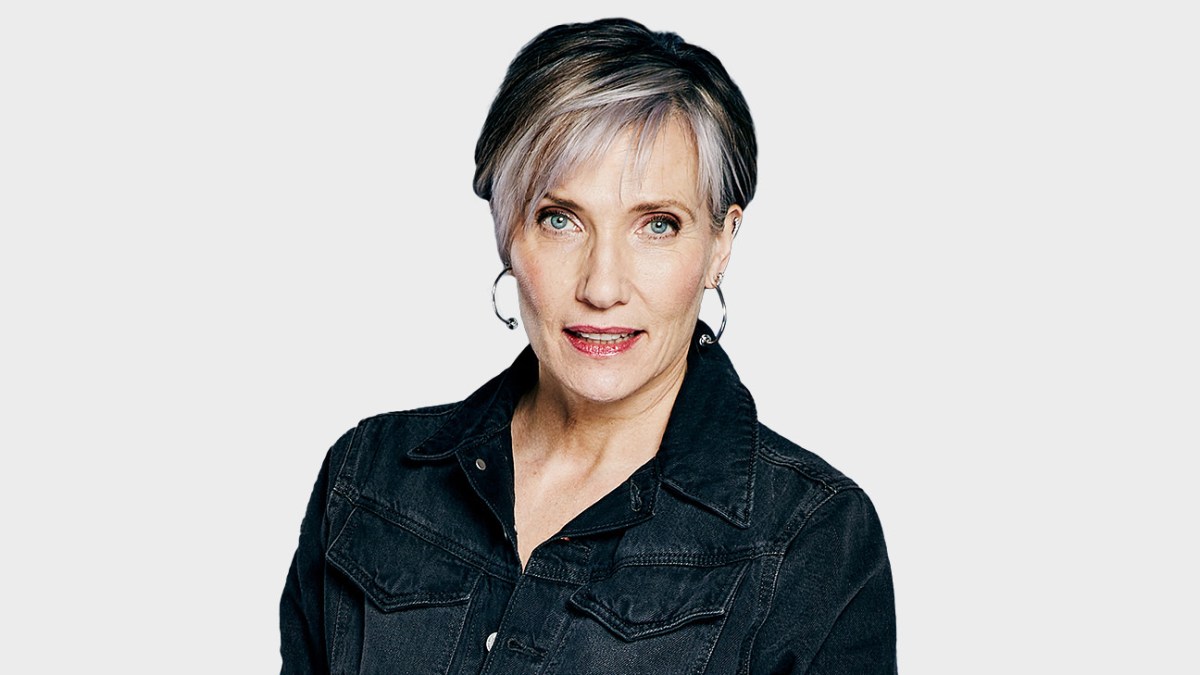
A clinical psychologist has offered insights into the detrimental effects of controlling behavior within family dynamics. This advice comes in light of a personal account shared by an individual expressing concern over their sister’s rigidly controlling nature, which they claim is significantly impacting her life and relationships.
Controlling behaviors often stem from a desire for order and predictability, according to mental health professionals. However, such tendencies can lead to strained relationships and emotional distress. The psychologist highlights how this kind of behavior not only affects the individual exhibiting control but also those around them, creating a ripple effect that can be damaging.
Understanding Controlling Behavior
Controlling behavior can manifest in various ways, including excessive criticism, micromanagement of tasks, and an inability to accept differing opinions. These characteristics often arise from deep-seated insecurities and fears of losing control. The clinical psychologist emphasizes that individuals may not be aware of how their actions affect others. This unawareness can lead to isolation and a decline in emotional well-being.
The psychologist advises that recognizing these patterns is the first step toward change. For the sister in question, acknowledging her controlling tendencies may help her understand their origins and the impact they have on her life. Therapy can provide a safe space to explore these issues and develop healthier coping mechanisms.
Strategies for Improvement
In tackling controlling behavior, the psychologist recommends several strategies. First, setting realistic expectations is crucial. Individuals should aim to cultivate flexibility in their thoughts and actions. Engaging in self-reflection can also facilitate understanding of triggers that lead to controlling impulses, allowing for a more mindful response.
Additionally, open communication within the family can help address underlying issues. The psychologist encourages family members to express their feelings and concerns in a constructive manner. This dialogue can foster empathy and pave the way for healthier interactions.
Furthermore, practicing mindfulness techniques can aid in reducing anxiety and promoting emotional regulation. Such practices allow individuals to remain present and manage their reactions, which is essential for breaking the cycle of control.
In conclusion, while controlling behaviors can be challenging for both the individual and their loved ones, they are not insurmountable. With the right support and strategies, individuals can learn to navigate their emotions and improve their relationships. Seeking professional help, such as counseling, can lead to significant changes in personal dynamics and emotional health.



Belfast Gears Up for Vibrant St Patrick’s Day Parade on March 17

Cuba Faces Nationwide Blackout Amid Deepening Energy Crisis

Wirral Council to Restructure Leadership, Cutting Two Top Roles

Rethinking Resistance Training: Key Insights from US Experts

EU Membership on the Horizon: What It Means for Citizens

Ukrainian Drone Swarms Strike Moscow Region for Second Day

Henley Launches Innovative Initiative to Boost Local Economy

Court Ruling Allows Pandemic Tax Refund Claims Until 2026

Sean Penn’s Absence at 2026 Oscars Sparks Discussion

Coronation Street’s Shocking Murder Twist Reveals Family Secrets

Andrew Pierce Confirms Departure from ITV’s Good Morning Britain

Katie Price Faces New Health Concerns After Cancer Symptoms Resurface

Gyles Brandreth Shares Grandson’s Cancer Battle and Recovery

Sue Radford Reveals Weight Loss Journey, Shedding 12–13 kg

Kate Garraway Sells £2 Million Home Amid Financial Struggles

Jordan Brook Faces Health Crisis in Hospital as Sophie Kasaei Stays Away

EastEnders’ Nicola Mitchell Faces Unexpected Pregnancy Crisis

Reddit Study Reveals Distinctions Between Lurkers and Power Users
-
 World8 months ago
Coronation Street’s Shocking Murder Twist Reveals Family Secrets
-
 Entertainment8 months ago
Andrew Pierce Confirms Departure from ITV’s Good Morning Britain
-
 Health12 months ago
Katie Price Faces New Health Concerns After Cancer Symptoms Resurface
-
 Health7 months ago
Gyles Brandreth Shares Grandson’s Cancer Battle and Recovery
-
 Health7 months ago
Sue Radford Reveals Weight Loss Journey, Shedding 12–13 kg
-
 Entertainment1 year ago
Kate Garraway Sells £2 Million Home Amid Financial Struggles
-
 Entertainment5 months ago
Jordan Brook Faces Health Crisis in Hospital as Sophie Kasaei Stays Away
-
 World9 months ago
EastEnders’ Nicola Mitchell Faces Unexpected Pregnancy Crisis
-
 Science8 months ago
Reddit Study Reveals Distinctions Between Lurkers and Power Users
-

 World9 months ago
Mother Charged After Son, 9, Killed in Tragic Incident in Italy
-

 Entertainment12 months ago
Ann Ming Reflects on ITV’s ‘I Fought the Law’ Drama
-

 World9 months ago
Bailey Announces Heartbreaking Split from Rebecca After Reunion