
Entertainment
American Psycho’s Legacy: How Bateman Inspires Modern Culture

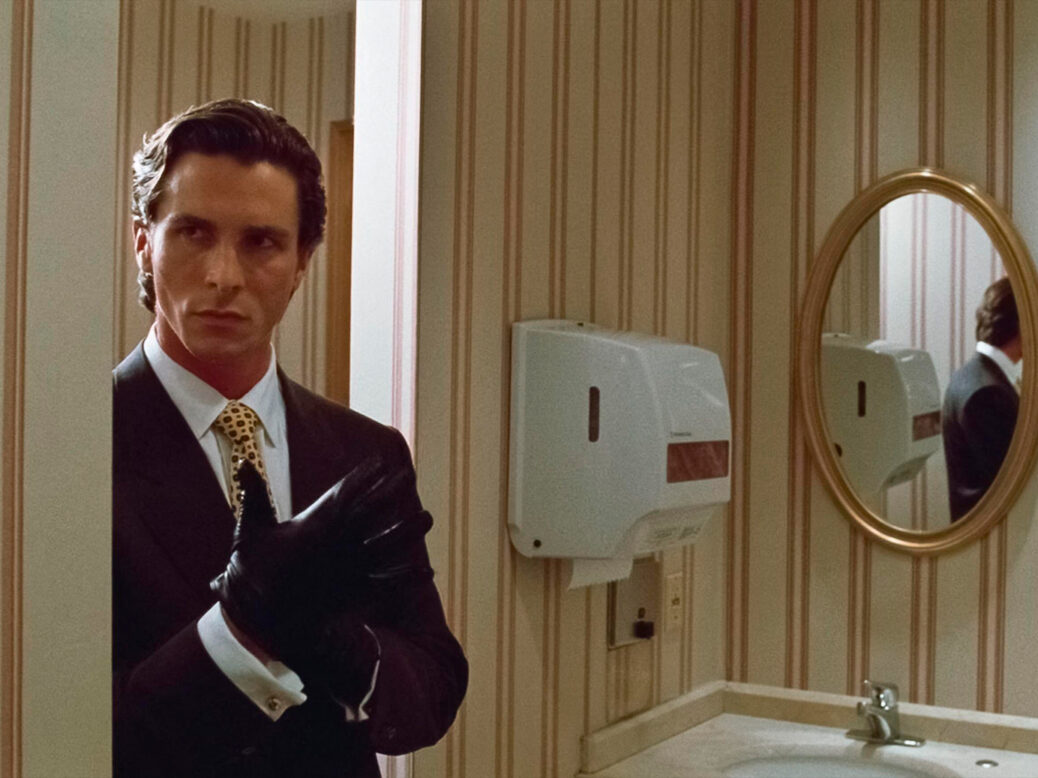
The cultural impact of Bret Easton Ellis‘s novel American Psycho continues to resonate, shaping modern interpretations of masculinity and identity. Released in 1991, the book takes readers into the mind of Patrick Bateman, a wealthy investment banker and sadistic serial killer. It sparked significant controversy at the time, being dropped by its initial publisher, Simon & Schuster, and facing strong opposition from groups such as the National Organization of Women. Now, decades later, Bateman remains a potent symbol of narcissism, with a stage adaptation running at London’s Almeida Theater and the 2000 film featuring Christian Bale cementing its place in horror-comedy.
The character of Bateman has transcended literature, becoming a memetic shorthand for the darker sides of contemporary masculinity. The recent fascination with figures like Clavicular, a 20-year-old influencer from the “looksmaxxing” community, highlights a troubling echo of Bateman’s ethos. Clavicular’s extreme measures to achieve a perceived ideal of attractiveness—ranging from steroid use to physical alterations—mirror the obsessive self-absorption exhibited by Bateman. Such actions have led to commentary suggesting that this fixation on superficiality is a direct line back to the narrative of American Psycho.
Exploring the Dark Roots of Looksmaxxing
Looksmaxxing communities initially thrived on positivity, with early influencers like Zyzz promoting self-improvement through camaraderie. In contrast, Clavicular’s affectless demeanor and bleak outlook starkly contrast this earlier spirit. The parallels between Clavicular’s routines and Bateman’s infamous morning regimen are striking. As Aidan Walker noted in a recent interview, “Patrick Bateman is central both to looksmaxxing and to modern meme culture.”
The online discourse surrounding Clavicular emphasizes the character’s cultural relevance, with comments likening him to Bateman. “Real American psychopath here,” one user remarked, while others highlighted the irony of celebrating such a character. Yet, as critics point out, many young men seem oblivious to the satirical critique embedded in Bateman’s portrayal.
Ellis’s depiction of Bateman is not merely a critique of Wall Street excess; it also reflects a profound sense of alienation. When Ellis wrote American Psycho at the age of 27, he had already achieved fame with his earlier work, Less Than Zero. He thrived in the vibrant social scene of late 1980s New York but felt an existential void despite his success. This emptiness fueled Bateman’s character—a man ensnared by a cycle of superficiality and nihilism.
The Cultural Resonance of Bateman’s Despair
Reading American Psycho offers a disorienting experience. The narrative is punctuated by grotesque violence, yet the majority of the book catalogues Bateman’s vacuous social interactions. His life is marked by endless consumption—whether dining at exclusive restaurants or obsessively comparing designer business cards with friends. These details serve to underscore the hollowness of his existence, blurring the line between reality and Bateman’s disturbed perceptions.
Ellis crafts a haunting atmosphere, where Bateman’s mind becomes increasingly detached from reality. The novel’s climax reaches absurdity, echoing a disheartening view of society. Despite Bateman’s nihilism, there are fleeting moments when he yearns for connection, hinting at a potential for redemption. This complexity invites readers to confront their own interpretations of modern masculinity and societal expectations.
The urgency of Ellis’s themes feels even more relevant today, as young men navigate a landscape defined by hypervisibility and unattainable standards of success. The rise of social media amplifies the pressure to conform to idealized images of wealth and status, as demonstrated by the emergence of apps that facilitate exclusive dining experiences reminiscent of Bateman’s world.
As the divide between the privileged and the disenfranchised widens, the allure of Bateman’s lifestyle becomes tempting for some. The idea of transforming into a version of Bateman—a figure of control and dominance—resonates amid feelings of alienation and despair.
The paradox lies in the fact that while Bateman’s existence is marked by emptiness, his story seems to inspire a new generation seeking validation through extreme self-improvement. Clavicular’s rise within the influencer sphere exemplifies this troubling trend, where the pursuit of perfection often overshadows genuine human connection.
Ultimately, American Psycho serves as both a mirror and a cautionary tale. The novel’s exploration of identity, societal expectations, and the human condition presents a stark warning against the embrace of a life devoid of meaning. As we grapple with the implications of Bateman’s legacy, it becomes increasingly clear that the path to self-acceptance requires more than mere physical transformation; it demands a reconnection with our own humanity.







Belfast Gears Up for Vibrant St Patrick’s Day Parade on March 17

Cuba Faces Nationwide Blackout Amid Deepening Energy Crisis

Wirral Council to Restructure Leadership, Cutting Two Top Roles

Rethinking Resistance Training: Key Insights from US Experts

EU Membership on the Horizon: What It Means for Citizens

Ukrainian Drone Swarms Strike Moscow Region for Second Day

Henley Launches Innovative Initiative to Boost Local Economy

Court Ruling Allows Pandemic Tax Refund Claims Until 2026

Sean Penn’s Absence at 2026 Oscars Sparks Discussion

Coronation Street’s Shocking Murder Twist Reveals Family Secrets

Andrew Pierce Confirms Departure from ITV’s Good Morning Britain

Katie Price Faces New Health Concerns After Cancer Symptoms Resurface

Sue Radford Reveals Weight Loss Journey, Shedding 12–13 kg

Kate Garraway Sells £2 Million Home Amid Financial Struggles

Jordan Brook Faces Health Crisis in Hospital as Sophie Kasaei Stays Away

EastEnders’ Nicola Mitchell Faces Unexpected Pregnancy Crisis

Bailey Announces Heartbreaking Split from Rebecca After Reunion

Ann Ming Reflects on ITV’s ‘I Fought the Law’ Drama
-
 World4 months ago
Coronation Street’s Shocking Murder Twist Reveals Family Secrets
-
 Entertainment4 months ago
Andrew Pierce Confirms Departure from ITV’s Good Morning Britain
-
 Health7 months ago
Katie Price Faces New Health Concerns After Cancer Symptoms Resurface
-
 Health2 months ago
Sue Radford Reveals Weight Loss Journey, Shedding 12–13 kg
-
 Entertainment8 months ago
Kate Garraway Sells £2 Million Home Amid Financial Struggles
-
 Entertainment3 weeks ago
Jordan Brook Faces Health Crisis in Hospital as Sophie Kasaei Stays Away
-
 World5 months ago
EastEnders’ Nicola Mitchell Faces Unexpected Pregnancy Crisis
-
 World5 months ago
Bailey Announces Heartbreaking Split from Rebecca After Reunion
-
 Entertainment7 months ago
Ann Ming Reflects on ITV’s ‘I Fought the Law’ Drama
-

 Entertainment2 months ago
Selena Gomez’s Name Linked to Epstein: Examining the Claims
-

 Health7 months ago
TOWIE Stars Sophie Kasaei and Jordan Brook Pursue Fertility Treatment
-

 Health7 months ago
Fiona Phillips’ Husband Shares Heartbreaking Update on Her Health