
Business
Universities Face Financial Strain as Labour Plans Fall Short

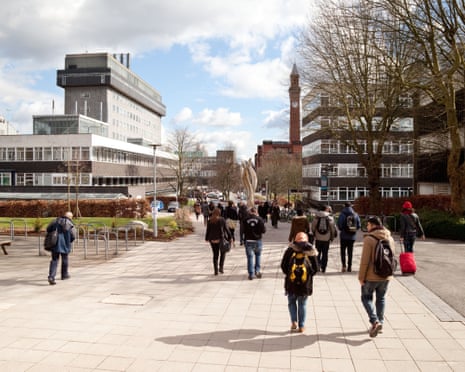
The landscape of higher education in the United Kingdom is undergoing significant challenges as universities grapple with financial pressures and changing government policies. Since the introduction of expanded access to higher education under the Labour government, the number of accepted university places soared from 336,000 in 1997 to 563,000 in 2022, marking a 68% increase. Despite this growth, the proportion of young people pursuing higher education has decreased since reaching its peak of 50% in 2017.
In a recent interview, Prof. Shitij Kapur, Vice-Chancellor of King’s College London, highlighted a critical shift in the value of a degree. He remarked that degrees have become akin to a visa—providing opportunity but not guaranteeing employment. This sentiment is echoed by findings from a student experience survey, where only 11% of undergraduates expressed regret about their decision to pursue a degree. However, the changing job market poses increasing difficulties for graduates seeking suitable employment.
The rise in student debt, coupled with less favorable loan terms, contributes to this precarious situation. As financial security diminishes, universities themselves are facing immense financial strain. Public funding has decreased, and alternative income streams are becoming increasingly limited. The result is a growing number of precarious academic careers, as permanent positions dwindle.
Despite expectations of improved support from a Labour government, recent proposals have left many in the sector feeling disillusioned. Bridget Phillipson, the Shadow Secretary of State for Education, announced plans to adjust tuition fees in line with inflation. However, this was quickly undermined by a new mandate requiring universities to pay a flat tax of £925 for every international student enrolled starting in 2028. This policy complicates recruitment efforts, exacerbated by already stringent visa restrictions, and places additional financial burdens on institutions.
As the academic year begins, 24 institutions are considered at risk of collapse within the next year, according to the Office for Students. The potential for further strikes, cuts, and closures looms large. Despite government intentions outlined in a recent white paper—to promote collaboration between universities and further education providers and reform research frameworks—these measures fall short of presenting a cohesive strategy for the future of higher education.
Universities remain a vital national asset, contributing approximately £24 billion to export earnings, accounting for about 1% of the UK’s GDP. This contribution surpasses sectors such as aircraft manufacturing and legal services. It is essential for policymakers to address the untenable situation faced by universities, which have been adversely affected by a series of government decisions.
In conclusion, while the government has rightly prioritized skills policy and reforming educational options for school leavers, a comprehensive and supportive approach for universities is urgently needed. Without it, the future of higher education in the UK remains uncertain.








Belfast Gears Up for Vibrant St Patrick’s Day Parade on March 17

Cuba Faces Nationwide Blackout Amid Deepening Energy Crisis

Wirral Council to Restructure Leadership, Cutting Two Top Roles

Rethinking Resistance Training: Key Insights from US Experts

EU Membership on the Horizon: What It Means for Citizens

Ukrainian Drone Swarms Strike Moscow Region for Second Day

Henley Launches Innovative Initiative to Boost Local Economy

Court Ruling Allows Pandemic Tax Refund Claims Until 2026

Sean Penn’s Absence at 2026 Oscars Sparks Discussion

Coronation Street’s Shocking Murder Twist Reveals Family Secrets

Andrew Pierce Confirms Departure from ITV’s Good Morning Britain

Katie Price Faces New Health Concerns After Cancer Symptoms Resurface

Sue Radford Reveals Weight Loss Journey, Shedding 12–13 kg

Kate Garraway Sells £2 Million Home Amid Financial Struggles

Jordan Brook Faces Health Crisis in Hospital as Sophie Kasaei Stays Away

EastEnders’ Nicola Mitchell Faces Unexpected Pregnancy Crisis

Bailey Announces Heartbreaking Split from Rebecca After Reunion

Ann Ming Reflects on ITV’s ‘I Fought the Law’ Drama
-
 World4 months ago
Coronation Street’s Shocking Murder Twist Reveals Family Secrets
-
 Entertainment4 months ago
Andrew Pierce Confirms Departure from ITV’s Good Morning Britain
-
 Health7 months ago
Katie Price Faces New Health Concerns After Cancer Symptoms Resurface
-
 Health3 months ago
Sue Radford Reveals Weight Loss Journey, Shedding 12–13 kg
-
 Entertainment8 months ago
Kate Garraway Sells £2 Million Home Amid Financial Struggles
-
 Entertainment4 weeks ago
Jordan Brook Faces Health Crisis in Hospital as Sophie Kasaei Stays Away
-
 World5 months ago
EastEnders’ Nicola Mitchell Faces Unexpected Pregnancy Crisis
-
 World5 months ago
Bailey Announces Heartbreaking Split from Rebecca After Reunion
-
 Entertainment7 months ago
Ann Ming Reflects on ITV’s ‘I Fought the Law’ Drama
-

 Entertainment2 months ago
Selena Gomez’s Name Linked to Epstein: Examining the Claims
-

 Health7 months ago
TOWIE Stars Sophie Kasaei and Jordan Brook Pursue Fertility Treatment
-

 Health8 months ago
Fiona Phillips’ Husband Shares Heartbreaking Update on Her Health