
Business
Poundland Closes 12 More Stores as Restructuring Plan Unfolds

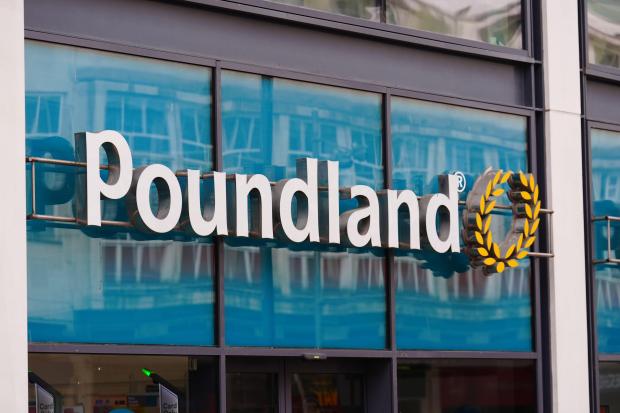
Poundland is closing 12 additional stores today as part of a significant restructuring effort aimed at securing the future of the retailer. The closures are part of a broader strategy that includes a closing down sale with discounts of up to 75%. This follows the announcement that 48 locations would be shuttered throughout August, bringing the total number of closed stores for the month to 25, with another 11 closures scheduled for August 31.
Currently, Poundland operates approximately 800 stores across the UK. The company aims to reduce this number to between 650 and 700 as it navigates financial difficulties. The restructuring plan, which involves closing 68 stores by mid-October, is still subject to a critical High Court hearing set for August 26. This hearing will determine whether the store closures can proceed as planned.
A significant aspect of the company’s restructuring involves the acquisition by the investment firm Gordon Brothers, which purchased Poundland for just £1. The court’s decision will play a crucial role in shaping the chain’s future. While Poundland has begun closing its doors to customers in an effort to cut costs, it has yet to terminate leases with landlords.
The following stores have already closed or are set to close:
Closed on August 10: Ammanford, Birmingham Fort, Cardiff Valegate, Cramlington, Leicester, Long Eaton, Port Glasgow, Seaham, Shrewsbury, Tunbridge Wells.
Closed on August 17: Bedford, Bidston Moss, Broxburn, Craigavon, Dartmouth, East Dulwich, Falmouth, Hull, St Andrews, Newtownabbey, Perth, Poole, Sunderland, Stafford, Thornaby, Worcester.
Closing on August 24: Brigg, Canterbury, Coventry, Newcastle, Kings Heath, Peterborough, Peterlee, Rainham, Salford, Sheldon, Wells, Whitechapel.
Closing on August 31: Blackburn, Cookstown, Erdington, Kimberley, Nottingham, Horsham, Hull Holderness, Kettering, Omagh, Shepherds Bush, Southport, Taunton.
In addition to retail closures, Poundland plans to shut its frozen and digital distribution centre in Darton, South Yorkshire, by the end of the year, followed by the closure of its national distribution centre in Bilston, West Midlands, in early 2026. This change will lead to the discontinuation of online shopping and frozen food offerings at Poundland.
The retailer is currently consulting with its workforce regarding potential job cuts but has not yet disclosed how many employees may be affected. Starting on September 16, customers will no longer be able to purchase products through Poundland’s website, and the loyalty scheme, Poundland Perks, will also be discontinued. Customers enrolled in the loyalty program have until January 15, 2026, to redeem their rewards vouchers.
Amidst these changes, Poundland is looking to expand its product offerings, particularly in womenswear and seasonal items, while also increasing the number of products available for just £1.
Julie Palmer, a partner at Begbies Traynor, noted that retailers like Poundland are facing pressure from rising inflation and input costs, leading to thin profit margins. She stated, “If the plan is approved, it could offer a pathway to stabilization. However, a rejection from the High Court could trigger more closures across its 800-store estate and significant job losses. In an environment like this one, gently tinkering with a business simply will not work if it’s struggling to survive, and Poundland is the latest example of what retailers will have to do in order to survive.”
The British Retail Consortium has predicted that the Treasury’s increase to employer National Insurance Contributions will cost the retail sector £2.3 billion. Research from the British Chambers of Commerce indicates that over half of companies plan to raise prices by early April. A survey of more than 4,800 firms found that 55% expect price increases in the next three months, up from 39% in a similar survey conducted in the latter half of 2024. Additionally, three-quarters of companies cited the cost of employment as their primary financial pressure.
The Centre for Retail Research has warned that around 17,350 retail sites are expected to close this year, following a challenging 2024 in which 13,000 shops closed, marking a 28% increase from the previous year. Professor Joshua Bamfield, director of the CRR, stated, “The results for 2024 show that although the outcomes for store closures overall were not as poor as in either 2020 or 2022, they are still disconcerting, with worse set to come in 2025.”
Looking ahead, Professor Bamfield warns that as many as 202,000 jobs could be lost in the retail sector, driven by rising operational costs and increased household expenses. The outlook for the retail industry remains uncertain as it grapples with these economic challenges.













Belfast Gears Up for Vibrant St Patrick’s Day Parade on March 17

Cuba Faces Nationwide Blackout Amid Deepening Energy Crisis

Wirral Council to Restructure Leadership, Cutting Two Top Roles

Rethinking Resistance Training: Key Insights from US Experts

EU Membership on the Horizon: What It Means for Citizens

Ukrainian Drone Swarms Strike Moscow Region for Second Day

Henley Launches Innovative Initiative to Boost Local Economy

Court Ruling Allows Pandemic Tax Refund Claims Until 2026

Sean Penn’s Absence at 2026 Oscars Sparks Discussion

Coronation Street’s Shocking Murder Twist Reveals Family Secrets

Andrew Pierce Confirms Departure from ITV’s Good Morning Britain

Katie Price Faces New Health Concerns After Cancer Symptoms Resurface

Sue Radford Reveals Weight Loss Journey, Shedding 12–13 kg

Kate Garraway Sells £2 Million Home Amid Financial Struggles

Jordan Brook Faces Health Crisis in Hospital as Sophie Kasaei Stays Away

EastEnders’ Nicola Mitchell Faces Unexpected Pregnancy Crisis

Bailey Announces Heartbreaking Split from Rebecca After Reunion

Ann Ming Reflects on ITV’s ‘I Fought the Law’ Drama
-
 World4 months ago
Coronation Street’s Shocking Murder Twist Reveals Family Secrets
-
 Entertainment4 months ago
Andrew Pierce Confirms Departure from ITV’s Good Morning Britain
-
 Health7 months ago
Katie Price Faces New Health Concerns After Cancer Symptoms Resurface
-
 Health3 months ago
Sue Radford Reveals Weight Loss Journey, Shedding 12–13 kg
-
 Entertainment8 months ago
Kate Garraway Sells £2 Million Home Amid Financial Struggles
-
 Entertainment4 weeks ago
Jordan Brook Faces Health Crisis in Hospital as Sophie Kasaei Stays Away
-
 World5 months ago
EastEnders’ Nicola Mitchell Faces Unexpected Pregnancy Crisis
-
 World5 months ago
Bailey Announces Heartbreaking Split from Rebecca After Reunion
-
 Entertainment7 months ago
Ann Ming Reflects on ITV’s ‘I Fought the Law’ Drama
-

 Entertainment2 months ago
Selena Gomez’s Name Linked to Epstein: Examining the Claims
-

 Health7 months ago
TOWIE Stars Sophie Kasaei and Jordan Brook Pursue Fertility Treatment
-

 Health8 months ago
Fiona Phillips’ Husband Shares Heartbreaking Update on Her Health