
Business
Plymouth Argyle’s Costly Transfer Gamble: A Cautionary Tale

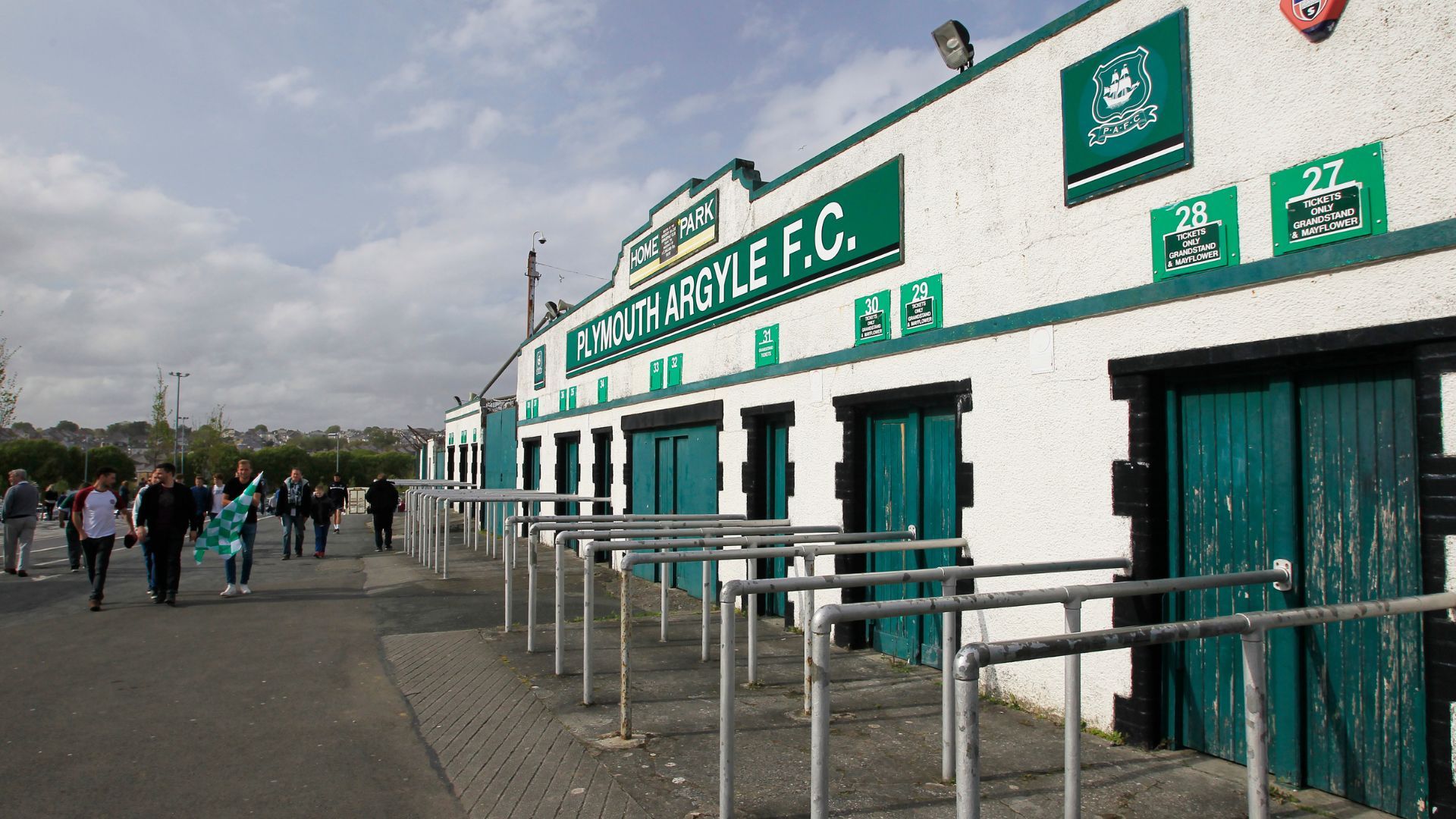
Plymouth Argyle’s decision to invest £200,000 in attacking midfielder Alan Dow in 2009 has been highlighted as a significant misstep that contributed to the club’s financial woes. The move was made during a challenging period for the club, which was already facing a looming financial crisis. Dow’s inconsistent performances raised concerns, and ultimately, he failed to deliver the results that the team desperately needed.
This transfer decision has drawn comparisons with the situation at Norwich City, where similar warning signs were overlooked. In both cases, financial pressures and the need for immediate success led to risky investments in players who did not meet expectations. For Plymouth, the £200,000 spent on Dow was a gamble they could ill afford, given their precarious financial state at the time.
Plymouth Argyle, based in Devon, England, has a storied history in English football. However, their struggles in the late 2000s were exacerbated by poor financial management and ill-fated transfer decisions. The club’s decision-makers were faced with the challenge of balancing the need for competitive players against the reality of their financial limitations.
The impact of such transfers can extend beyond the pitch. In Plymouth’s case, the failure to secure effective players like Dow not only hindered their performance in the league but also contributed to a broader culture of instability within the club. Fans were left disappointed as the team struggled to maintain its standing in the league, and the financial implications of these decisions would resonate for years.
The cautionary tale of Plymouth Argyle serves as a reminder for clubs operating under financial constraints. Investing in players based on potential rather than proven performance can lead to dire consequences. As teams look to bolster their squads, it is crucial to consider the long-term implications of such financial commitments.
In the current landscape of football, where financial prudence is essential, clubs like Plymouth Argyle must learn from past mistakes. The lessons from their experience with Alan Dow highlight the importance of thorough scouting and careful consideration in the transfer market. Future investments should focus on proven talent that aligns with both the club’s strategic goals and financial realities.
As football continues to evolve, the focus on sustainable growth and responsible spending will be key to ensuring the long-term health of clubs like Plymouth Argyle. By addressing the pitfalls of previous transfer decisions, they can work towards a more stable and successful future in the sport.










Belfast Gears Up for Vibrant St Patrick’s Day Parade on March 17

Cuba Faces Nationwide Blackout Amid Deepening Energy Crisis

Wirral Council to Restructure Leadership, Cutting Two Top Roles

Rethinking Resistance Training: Key Insights from US Experts

EU Membership on the Horizon: What It Means for Citizens

Ukrainian Drone Swarms Strike Moscow Region for Second Day

Henley Launches Innovative Initiative to Boost Local Economy

Court Ruling Allows Pandemic Tax Refund Claims Until 2026

Sean Penn’s Absence at 2026 Oscars Sparks Discussion

Coronation Street’s Shocking Murder Twist Reveals Family Secrets

Andrew Pierce Confirms Departure from ITV’s Good Morning Britain

Katie Price Faces New Health Concerns After Cancer Symptoms Resurface

Sue Radford Reveals Weight Loss Journey, Shedding 12–13 kg

Kate Garraway Sells £2 Million Home Amid Financial Struggles

Jordan Brook Faces Health Crisis in Hospital as Sophie Kasaei Stays Away

EastEnders’ Nicola Mitchell Faces Unexpected Pregnancy Crisis

Bailey Announces Heartbreaking Split from Rebecca After Reunion

Ann Ming Reflects on ITV’s ‘I Fought the Law’ Drama
-
 World4 months ago
Coronation Street’s Shocking Murder Twist Reveals Family Secrets
-
 Entertainment4 months ago
Andrew Pierce Confirms Departure from ITV’s Good Morning Britain
-
 Health7 months ago
Katie Price Faces New Health Concerns After Cancer Symptoms Resurface
-
 Health2 months ago
Sue Radford Reveals Weight Loss Journey, Shedding 12–13 kg
-
 Entertainment8 months ago
Kate Garraway Sells £2 Million Home Amid Financial Struggles
-
 Entertainment3 weeks ago
Jordan Brook Faces Health Crisis in Hospital as Sophie Kasaei Stays Away
-
 World5 months ago
EastEnders’ Nicola Mitchell Faces Unexpected Pregnancy Crisis
-
 World5 months ago
Bailey Announces Heartbreaking Split from Rebecca After Reunion
-
 Entertainment7 months ago
Ann Ming Reflects on ITV’s ‘I Fought the Law’ Drama
-

 Entertainment2 months ago
Selena Gomez’s Name Linked to Epstein: Examining the Claims
-

 Health7 months ago
TOWIE Stars Sophie Kasaei and Jordan Brook Pursue Fertility Treatment
-

 Health7 months ago
Fiona Phillips’ Husband Shares Heartbreaking Update on Her Health