
Business
London Congestion Charge Changes: New Fees and Discounts in 2026

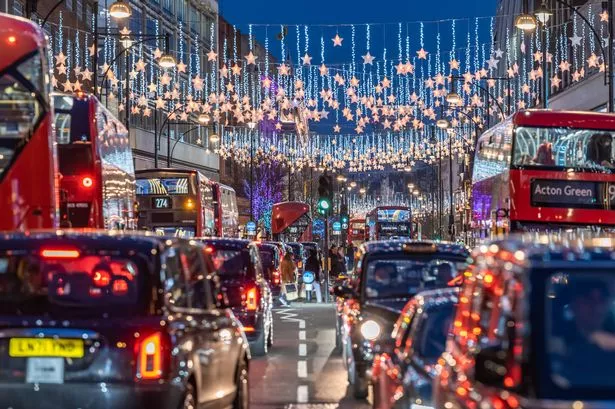
Major changes to London’s Congestion Charge will take effect on January 2, 2026, significantly impacting both electric and non-electric vehicles. The standard charge for non-electric vehicles will rise from £15 to £18, marking the first increase since 2020. Furthermore, electric vehicles (EVs), which previously benefited from the Cleaner Vehicle Discount, will no longer be exempt from the Congestion Charge.
The new structure is part of a broader initiative by Transport for London (TfL) aimed at reducing traffic congestion in the city centre. From January, drivers of electric vans and lorries will receive a 50% discount on the charge, while electric car drivers will face a 25% discount. This means that electric cars will incur a fee of £13.50 to enter the congestion zone, and owners of electric vans will pay £9. By March 2030, these discounts will decrease further to 25% for electric vans and lorries and 12.5% for electric cars.
Impact on Residents and Incentives for Sustainable Transport
Residents living within the Congestion Charge zone can expect reductions of up to 90% on their charges. However, new residents moving into the zone after March 1, 2027, will not qualify for any discounts unless they drive an electric vehicle. To support low-income and disabled Londoners, discounts of up to 100% will remain available.
London’s Mayor, Sadiq Khan, emphasized the importance of these changes in maintaining the city’s mobility and economic vitality. He stated, “Keeping London moving by reducing congestion is vital for our city and for our economy. While the congestion charge has been a huge success since its introduction, we must ensure it stays fit for purpose.” Khan noted that without these adjustments, approximately 2,200 additional vehicles would enter the congestion zone on an average weekday.
Official Responses and Future Goals
In a recent statement, Christina Calderato, TfL’s Director of Strategy, highlighted the significance of managing traffic effectively. She remarked, “If we want to ensure that London remains a thriving city for everyone to enjoy, then it’s vital that traffic and congestion is kept under control.” The changes to the Congestion Charge are seen as a crucial step towards a more sustainable and cleaner city.
Izzy Romilly, Sustainable Transport Manager at climate charity Possible, expressed support for the new measures. She remarked, “Tying the Congestion Charge to public transport fares is welcome. We need to cut traffic and invest in accessible and affordable public transport.” Romilly’s comments underline the broader vision of reducing air pollution while enhancing safety for all Londoners.
As London continues to adapt its transport policies, these changes reflect a commitment to sustainability and improved urban living. The updated Congestion Charge structure aims not only to alleviate traffic but also to encourage the transition to cleaner vehicles, contributing to a greener future for the city.













Belfast Gears Up for Vibrant St Patrick’s Day Parade on March 17

Cuba Faces Nationwide Blackout Amid Deepening Energy Crisis

Wirral Council to Restructure Leadership, Cutting Two Top Roles

Rethinking Resistance Training: Key Insights from US Experts

EU Membership on the Horizon: What It Means for Citizens

Ukrainian Drone Swarms Strike Moscow Region for Second Day

Henley Launches Innovative Initiative to Boost Local Economy

Court Ruling Allows Pandemic Tax Refund Claims Until 2026

Sean Penn’s Absence at 2026 Oscars Sparks Discussion

Coronation Street’s Shocking Murder Twist Reveals Family Secrets

Andrew Pierce Confirms Departure from ITV’s Good Morning Britain

Katie Price Faces New Health Concerns After Cancer Symptoms Resurface

Gyles Brandreth Shares Grandson’s Cancer Battle and Recovery

Sue Radford Reveals Weight Loss Journey, Shedding 12–13 kg

Kate Garraway Sells £2 Million Home Amid Financial Struggles

Jordan Brook Faces Health Crisis in Hospital as Sophie Kasaei Stays Away

EastEnders’ Nicola Mitchell Faces Unexpected Pregnancy Crisis

Reddit Study Reveals Distinctions Between Lurkers and Power Users
-
 World8 months ago
Coronation Street’s Shocking Murder Twist Reveals Family Secrets
-
 Entertainment8 months ago
Andrew Pierce Confirms Departure from ITV’s Good Morning Britain
-
 Health12 months ago
Katie Price Faces New Health Concerns After Cancer Symptoms Resurface
-
 Health7 months ago
Gyles Brandreth Shares Grandson’s Cancer Battle and Recovery
-
 Health7 months ago
Sue Radford Reveals Weight Loss Journey, Shedding 12–13 kg
-
 Entertainment1 year ago
Kate Garraway Sells £2 Million Home Amid Financial Struggles
-
 Entertainment5 months ago
Jordan Brook Faces Health Crisis in Hospital as Sophie Kasaei Stays Away
-
 World10 months ago
EastEnders’ Nicola Mitchell Faces Unexpected Pregnancy Crisis
-
 Science8 months ago
Reddit Study Reveals Distinctions Between Lurkers and Power Users
-

 World9 months ago
Mother Charged After Son, 9, Killed in Tragic Incident in Italy
-

 Entertainment12 months ago
Ann Ming Reflects on ITV’s ‘I Fought the Law’ Drama
-

 World9 months ago
Bailey Announces Heartbreaking Split from Rebecca After Reunion