
Business
Iraq Halts Fuel Imports as Domestic Production Surges

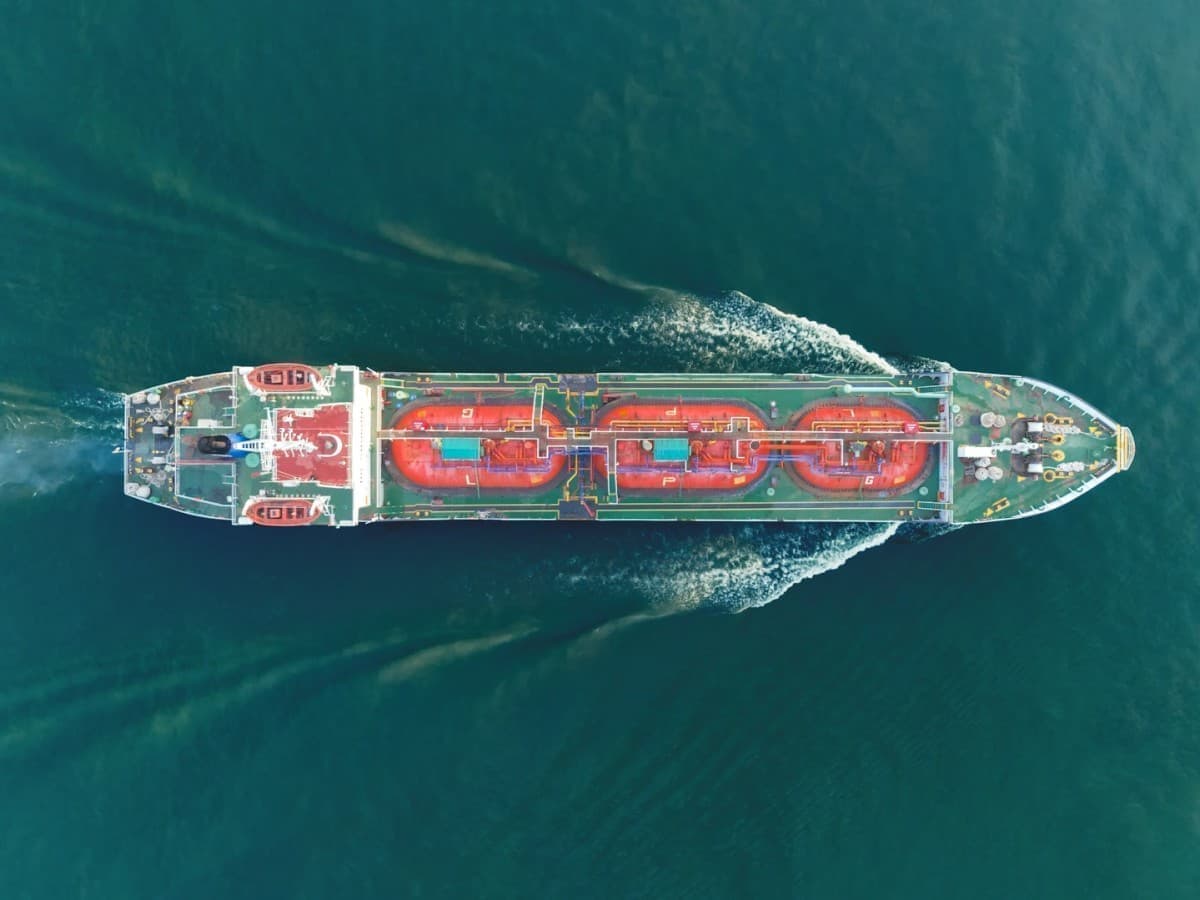
Iraq has taken a significant step toward energy independence by ordering an end to imports of middle distillates, including gasoline, diesel, and kerosene. Prime Minister Mohammed Shia Al Sudani announced the decision, stating that the country has achieved self-sufficiency in fuel production. This development follows an increase in domestic oil production and ongoing enhancements to refining capacity.
The decision comes as Iraq has successfully ramped up oil production, primarily driven by advancements in the Nasiriyah field. This field has seen production levels rise to approximately 80,000 barrels per day, contributing to the overall boost in output. Additionally, Iraq’s adherence to increased production quotas under the OPEC+ agreement has played a vital role in this achievement.
Boosting Domestic Capacity
The Iraqi government’s focus on enhancing refining capabilities has been instrumental in meeting domestic demand. Investments in new technologies and facilities have allowed the nation to refine a greater volume of crude oil, thereby reducing its reliance on foreign fuel sources. This shift not only aims to stabilize energy prices within the country but also to bolster the economy by retaining more revenue from domestic production.
Prime Minister Al Sudani emphasized that the cessation of fuel imports is a significant milestone for Iraq. He highlighted the potential for the country to become a regional energy player, capitalizing on its vast oil reserves and improving infrastructure. This move is expected to generate savings and redirect funds toward other critical sectors of the economy.
Future Outlook and Challenges
While the decision to halt imports is promising, challenges remain. Iraq’s refining capacity needs to keep pace with growing domestic demand while ensuring that quality standards are met. The government faces the task of managing the transition effectively to avoid any potential shortages or disruptions in supply.
Moreover, international market dynamics, including fluctuations in oil prices and geopolitical tensions, could impact Iraq’s long-term energy strategy. As the country navigates these complexities, its focus will likely shift to maintaining stability and fostering further investment in the energy sector.
The cessation of fuel imports marks a pivotal moment for Iraq, aligning with the government’s broader vision of economic self-reliance. With domestic production exceeding demand, the country is poised to strengthen its energy independence and enhance its economic resilience in the years to come.








Belfast Gears Up for Vibrant St Patrick’s Day Parade on March 17

Cuba Faces Nationwide Blackout Amid Deepening Energy Crisis

Wirral Council to Restructure Leadership, Cutting Two Top Roles

Rethinking Resistance Training: Key Insights from US Experts

EU Membership on the Horizon: What It Means for Citizens

Ukrainian Drone Swarms Strike Moscow Region for Second Day

Henley Launches Innovative Initiative to Boost Local Economy

Court Ruling Allows Pandemic Tax Refund Claims Until 2026

Sean Penn’s Absence at 2026 Oscars Sparks Discussion

Coronation Street’s Shocking Murder Twist Reveals Family Secrets

Andrew Pierce Confirms Departure from ITV’s Good Morning Britain

Katie Price Faces New Health Concerns After Cancer Symptoms Resurface

Sue Radford Reveals Weight Loss Journey, Shedding 12–13 kg

Kate Garraway Sells £2 Million Home Amid Financial Struggles

Jordan Brook Faces Health Crisis in Hospital as Sophie Kasaei Stays Away

EastEnders’ Nicola Mitchell Faces Unexpected Pregnancy Crisis

Bailey Announces Heartbreaking Split from Rebecca After Reunion

Ann Ming Reflects on ITV’s ‘I Fought the Law’ Drama
-
 World4 months ago
Coronation Street’s Shocking Murder Twist Reveals Family Secrets
-
 Entertainment4 months ago
Andrew Pierce Confirms Departure from ITV’s Good Morning Britain
-
 Health7 months ago
Katie Price Faces New Health Concerns After Cancer Symptoms Resurface
-
 Health3 months ago
Sue Radford Reveals Weight Loss Journey, Shedding 12–13 kg
-
 Entertainment8 months ago
Kate Garraway Sells £2 Million Home Amid Financial Struggles
-
 Entertainment4 weeks ago
Jordan Brook Faces Health Crisis in Hospital as Sophie Kasaei Stays Away
-
 World5 months ago
EastEnders’ Nicola Mitchell Faces Unexpected Pregnancy Crisis
-
 World5 months ago
Bailey Announces Heartbreaking Split from Rebecca After Reunion
-
 Entertainment7 months ago
Ann Ming Reflects on ITV’s ‘I Fought the Law’ Drama
-

 Entertainment2 months ago
Selena Gomez’s Name Linked to Epstein: Examining the Claims
-

 Health7 months ago
TOWIE Stars Sophie Kasaei and Jordan Brook Pursue Fertility Treatment
-

 Health8 months ago
Fiona Phillips’ Husband Shares Heartbreaking Update on Her Health