
Business
HS2 Construction: Costs, Impact, and Community Reactions

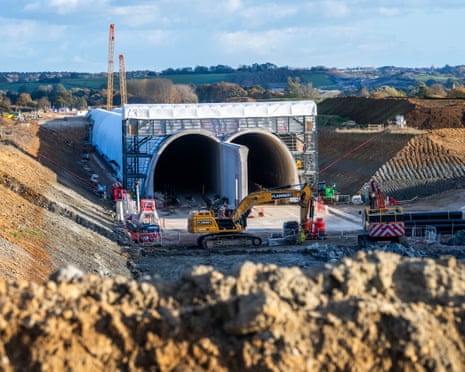
Plans for the High-Speed 2 (HS2) railway, designed to connect London and Birmingham, have faced significant delays and escalating costs since their inception. Initially slated for completion by 2026, the project now aims for a revised finish date of 2033, with estimates suggesting it could become the most expensive railway in the world.
In 2020, construction finally commenced on this ambitious project, which aims to reduce travel time between major cities. However, the official cost per mile has soared to nearly £1 billion, a stark contrast to the £51 million per mile cost of its predecessor, HS1, completed nearly two decades ago. The line, stretching 140 miles, has become a focal point for debates on fiscal responsibility and environmental impact.
Walking the route nearly a decade after its announcement, I observed the dramatic changes in both the landscape and the sentiments of those affected. Initially, environmental consultants were the only visible sign of activity along the proposed path, as local residents voiced concerns about the potential destruction of homes, farms, and ancient woodlands. Many saw the HS2 project as a “vanity” initiative, catering to the elite while disregarding the needs of ordinary citizens.
As I retraced my steps along the route from West Ruislip to Birmingham, the sounds of construction became a constant backdrop. The ongoing work, including the construction of numerous viaducts and tunnels, has impacted local communities for years. “Clank-clank-clank,” echoed through the countryside as heavy machinery operated, reshaping the very fabric of the region.
Residents have expressed mixed feelings about the project. While some appreciate new facilities, such as the minibus service for local schoolchildren and enhanced community spaces, many others feel the disruption has been overwhelming. Christy Shrimp, a resident of Northamptonshire, voiced the frustration felt by many: “We hate it. It’s desecration.”
One of the project’s notable features is its environmental mitigation efforts, which include creating new habitats for local wildlife. HS2 Ltd has invested in building ponds and planting thousands of trees to compensate for the ecological disruption caused by construction. However, critics argue that these measures are inadequate and often serve only as a public relations effort rather than genuine environmental stewardship.
The political implications of HS2 cannot be overlooked. Initially proposed by Andrew Adonis, the project garnered bipartisan support, particularly from former Prime Minister David Cameron. Yet, as costs have ballooned and timelines have extended, public confidence has waned. The project has faced scrutiny for its management and financing, with many stakeholders questioning whether the benefits justify the enormous financial burden on taxpayers.
The construction phase has also brought about significant human costs. Families have faced compulsory land purchases, with many farms divided or rendered inaccessible due to ongoing work. One farmer, who has witnessed his land disrupted, expressed the frustration of navigating the bureaucratic challenges posed by HS2. “Time is the main stress,” he explained as he dealt with the paperwork and meetings required to adjust to the ongoing changes.
As construction progresses, the community’s patience is wearing thin. Many residents now count the days until the project is completed, longing for a return to normalcy. “It brings out all the wrong emotions,” said Jacky Statham, a resident in the area, reflecting on the daily disruptions caused by HS2 work.
Despite the challenges, some have found silver linings amidst the chaos. In Burton Green, for example, HS2 has funded a new village hall, providing a space for community gatherings. Residents have also noted that new housing developments are emerging along the route, suggesting that the area’s appeal remains intact despite the ongoing construction.
While HS2 Ltd continues to emphasize its commitment to improving productivity and managing costs, the future of the project remains uncertain. Many stakeholders are hopeful that lessons learned during this phase can lead to a more efficient and effective railway system.
As I concluded my journey along the HS2 route, it became clear that this infrastructure project will leave a lasting impact on both the landscape and the communities it traverses. The balance between progress and preservation is an ongoing struggle, and the true cost of HS2 may extend beyond financial metrics to include the voices and experiences of those living in its shadow.










Belfast Gears Up for Vibrant St Patrick’s Day Parade on March 17

Cuba Faces Nationwide Blackout Amid Deepening Energy Crisis

Wirral Council to Restructure Leadership, Cutting Two Top Roles

Rethinking Resistance Training: Key Insights from US Experts

EU Membership on the Horizon: What It Means for Citizens

Ukrainian Drone Swarms Strike Moscow Region for Second Day

Henley Launches Innovative Initiative to Boost Local Economy

Court Ruling Allows Pandemic Tax Refund Claims Until 2026

Sean Penn’s Absence at 2026 Oscars Sparks Discussion

Coronation Street’s Shocking Murder Twist Reveals Family Secrets

Andrew Pierce Confirms Departure from ITV’s Good Morning Britain

Katie Price Faces New Health Concerns After Cancer Symptoms Resurface

Gyles Brandreth Shares Grandson’s Cancer Battle and Recovery

Sue Radford Reveals Weight Loss Journey, Shedding 12–13 kg

Kate Garraway Sells £2 Million Home Amid Financial Struggles

Jordan Brook Faces Health Crisis in Hospital as Sophie Kasaei Stays Away

EastEnders’ Nicola Mitchell Faces Unexpected Pregnancy Crisis

Reddit Study Reveals Distinctions Between Lurkers and Power Users
-
 World8 months ago
Coronation Street’s Shocking Murder Twist Reveals Family Secrets
-
 Entertainment8 months ago
Andrew Pierce Confirms Departure from ITV’s Good Morning Britain
-
 Health12 months ago
Katie Price Faces New Health Concerns After Cancer Symptoms Resurface
-
 Health7 months ago
Gyles Brandreth Shares Grandson’s Cancer Battle and Recovery
-
 Health7 months ago
Sue Radford Reveals Weight Loss Journey, Shedding 12–13 kg
-
 Entertainment1 year ago
Kate Garraway Sells £2 Million Home Amid Financial Struggles
-
 Entertainment5 months ago
Jordan Brook Faces Health Crisis in Hospital as Sophie Kasaei Stays Away
-
 World9 months ago
EastEnders’ Nicola Mitchell Faces Unexpected Pregnancy Crisis
-
 Science8 months ago
Reddit Study Reveals Distinctions Between Lurkers and Power Users
-

 World9 months ago
Mother Charged After Son, 9, Killed in Tragic Incident in Italy
-

 Entertainment12 months ago
Ann Ming Reflects on ITV’s ‘I Fought the Law’ Drama
-

 World9 months ago
Bailey Announces Heartbreaking Split from Rebecca After Reunion